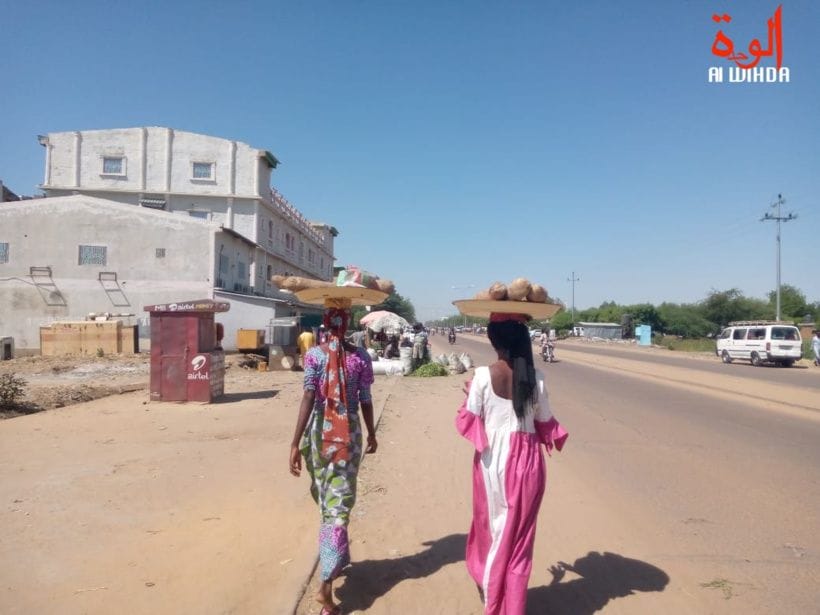
Kinshasa experienced a “dead city” operation on June 3rd, an opposition initiative that, while not entirely paralyzing the capital, conveyed a powerful, unspoken message to the current Tshisekedi administration. Across the Democratic Republic of Congo, including its provinces, the opposition struggled to achieve full mobilization, with markets reopening, taxis circulating, and state functions largely uninterrupted.
However, the apparent lack of complete paralysis should not be misinterpreted. The visible hesitation in the streets, the partially lowered shop shutters, and the hushed conversations among citizens were, in fact, the Congolese people speaking without slogans. This silent communication holds significant historical weight, often preceding pivotal moments in the nation’s past.
This same populace, when President Félix Tshisekedi presented gifts to the Léopards football team for their World Cup participation, collectively questioned, “Where is our share?” It was Kinshasa echoing the sentiment of the entire RDC, not out of envy for sports achievements, but from profound exasperation. A hungry stomach has no ears for grand promises that flicker on television screens while young people face endless unemployment.
A key promise of “six million jobs,” made seven years ago, ignited hope across every district, from Matete to Mont-Ngafula, Bandal to Masina. Today, those same young people continue to watch opportunities pass them by. They are not seeking charity; they demand the share they were explicitly promised.
History consistently demonstrates that a government’s legitimacy and stability are rooted in its ability to meet the tangible expectations of its citizens. Patrice Lumumba never betrayed the Congolese people; rather, the people felt betrayed in the aftermath of his leadership. Mobutu Sese Seko maintained power by suppressing dissent through various means. However, the RDC has evolved beyond an era where silence can be bought. Today’s Kinshasa residents show hesitation; they no longer offer blind obedience. This collective hesitation serves as a critical political warning, a wake-up call regarding the nation’s pressing social conditions.
Crucially, the administration must also acknowledge the opposition’s limited success on this particular day. This was not due to a lack of public discontent but rather a perceived deficit in credibility. Citizens sensed the presence of shadowy figures behind the opposition’s maneuvers, notably Joseph Kabila, whose actions are often linked to Paul Kagame. The Congolese people vehemently reject such alliances and any foreign interference attempting to speak on their behalf. They choose their own battles and will not tolerate the manipulation of their anger.
The core essence of this message must be understood: the people are not seeking chaos; they demand a responsive and effective governance. They urgently call for improvements in critical areas: youth employment, social justice, state credibility, and the dismantling of social inequalities. Any perceived weakness or oversight in governance will inevitably become a strategic advantage for the opposition in future engagements. The administration must strive to remove such potential arguments.
As a constitutional reform process unfolds, the people anticipate a decisive signal. President Tshisekedi, the nation implores you to appoint a new government. Not a traditional, conventional administration, but a “combat government” dedicated to the constitutional reform, and more importantly, to delivering tangible rewards to the people. Those who have tirelessly supported the Head of State since 2018 deserve more than mere promises; they deserve concrete results. Let those entrusted by the President uphold his honor before the people. For Congo does not plead; it is the true sovereign, and it is reminding its leaders. When Congo speaks, the corridors of power must listen.