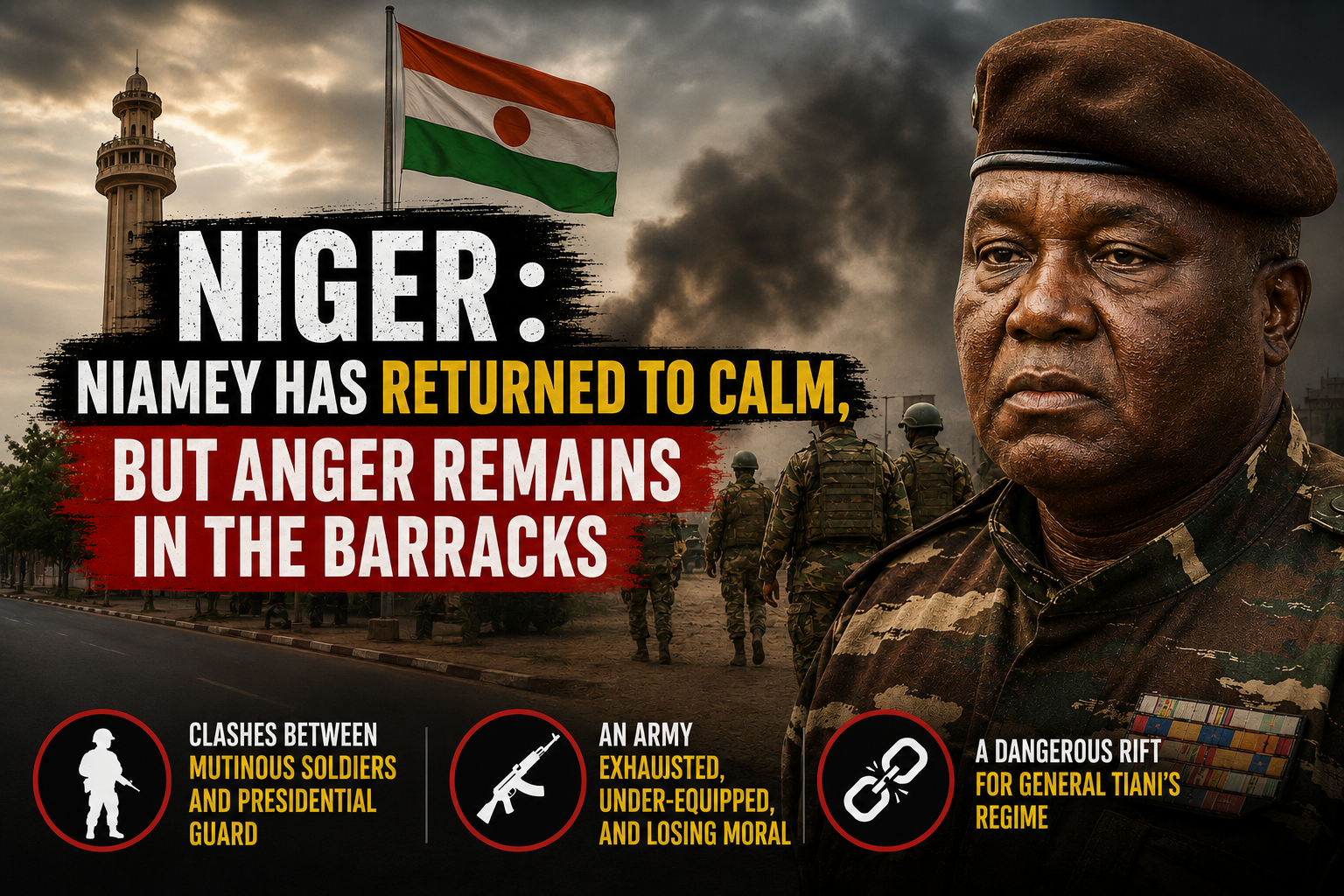
Across the Sahel, from western Mali to the Chad Basin, millions now live under the oppressive rule of Al-Qaïda and ISIS-affiliated factions. Villagers face brutal restrictions—barred from farming their land, forced into extreme social codes, and haunted by the next armed raid. Yet the gravest threat isn’t merely the militants’ strength; it’s the glaring absence of a cohesive security strategy to halt their advance.
reactive measures, not real solutions
The Sahel’s porous borders allow jihadist networks to move with alarming ease, yet state responses remain disjointed, inconsistent, and driven by crisis rather than foresight. Instead of implementing a unified military doctrine, governments default to ad-hoc reactions following each atrocity—tactics that do little more than treat symptoms, not the disease.
A legitimate security policy demands more than weaponry purchases or social media declarations. It requires:
- Cross-border coordination among Sahelian nations to dismantle shared threats.
- Sustained protection for rural roads and farmlands to safeguard the region’s economic lifelines.
- Intelligence networks that predict enemy movements rather than merely documenting their aftermath.
Without these pillars, armed groups consolidate control, imposing taxes, enforcing their own laws, and erasing state authority over vast territories.
military-first fallacy
Another consequence of this strategic vacuum is the dangerous belief that force alone can resolve the crisis. By neglecting the human security dimension—restoring schools, clinics, fair justice, and basic services—governments inadvertently fuel jihadist recruitment. When military operations succeed temporarily but withdraw without rebuilding governance, militants return stronger, embedding deeper into communities.
This cycle reveals a harsh truth: without a long-term plan to reassert state presence, even tactical victories ring hollow. The moment security forces shift focus, extremist groups reclaim lost ground, often with greater brutality.
a ticking time bomb
The trajectory from Mali to the Chad Basin is a stark warning. Combating a global, organized insurgency demands more than improvisation or fleeting alliances. Until Sahelian leaders commit to a unified, data-driven, and sustainable security framework, political rhetoric will persist while the terrain slips irrevocably into the hands of armed factions.