thousands of displaced dogons return to Mali villages under strict conditions
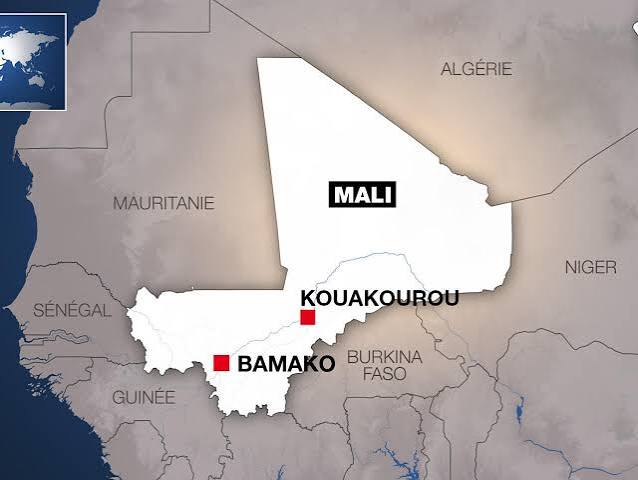
In a significant development across Mali, thousands of individuals who had been displaced from their homes are now making their way back to their villages within the Bankass circle, situated in the country’s central region. This wave of returns has been facilitated by a series of local agreements forged between the various community villages and the Jnim, a formidable group affiliated with Al Qaïda known as the Group for the Support of Islam and Muslims.
While these villagers are reclaiming their residences and agricultural lands, their return is contingent upon stringent conditions imposed by the jihadist factions. These mandates include the compulsory wearing of the veil for all women and a complete prohibition on Western-style education within the local schools.
Mandatory veil and closure of schools imposed
The stipulations extend to specific dress codes and the observance of prescribed prayer rituals. Notably, men are now required to wear short trousers, while all state-run schools have been shut down, effectively banning any form of Western curriculum. For women, the Islamic veil is an obligatory part of their daily attire.
Conversely, the predominantly Peul and Dogon villagers have been granted permission to resume their vital agricultural and pastoral activities. This timing is particularly crucial as it coincides with the onset of the rainy season in Mali, which commenced this past June.
“We returned without our wives”
An educator from Bare Darsalam village, located within the Bankass circle, who prefers to remain anonymous, recounted his journey back to his community after a seven-year absence forced by the conflict.
He returned without his wife and children, and spoke candidly about the state of public education and the dress code enforced by the Jnim:
« Our school was decimated by armed terrorist groups during the village’s displacement in 2019. They destroyed everything. Even if we were asked to rebuild the school immediately, we wouldn’t agree to it. We’ve resumed our daily routines following assurances from the mayor of Bankass. We haven’t yet adopted the short trousers. And we haven’t brought our wives back, so we haven’t had to address the issue of wearing the Islamic veil or similar requirements. »
Agricultural cultivation resumes
Allaye Guindo, the mayor of the urban commune of Bankass, affirmed that the signing of these crucial agreements between the village communities and the armed groups has spurred a significant influx of displaced individuals returning home.
« Thanks to the agreements that have been signed, people are now returning to all the previously abandoned localities. Among the 13 villages currently welcoming their residents, two are from Kani Bozon, one from the rural commune of Dimbal, and the rest are villages within the Bankass commune itself. It’s raining now, and many of those who have returned have already begun cultivating their fields in complete safety. Everyone is quite content. »
The terms of these local accords explicitly state that traditional authorities and local dignitaries must conform to the regulations established by the armed terrorist groups. These groups have made the strict application of Islamic law, Sharia, the fundamental cornerstone of their cooperation with the villagers.