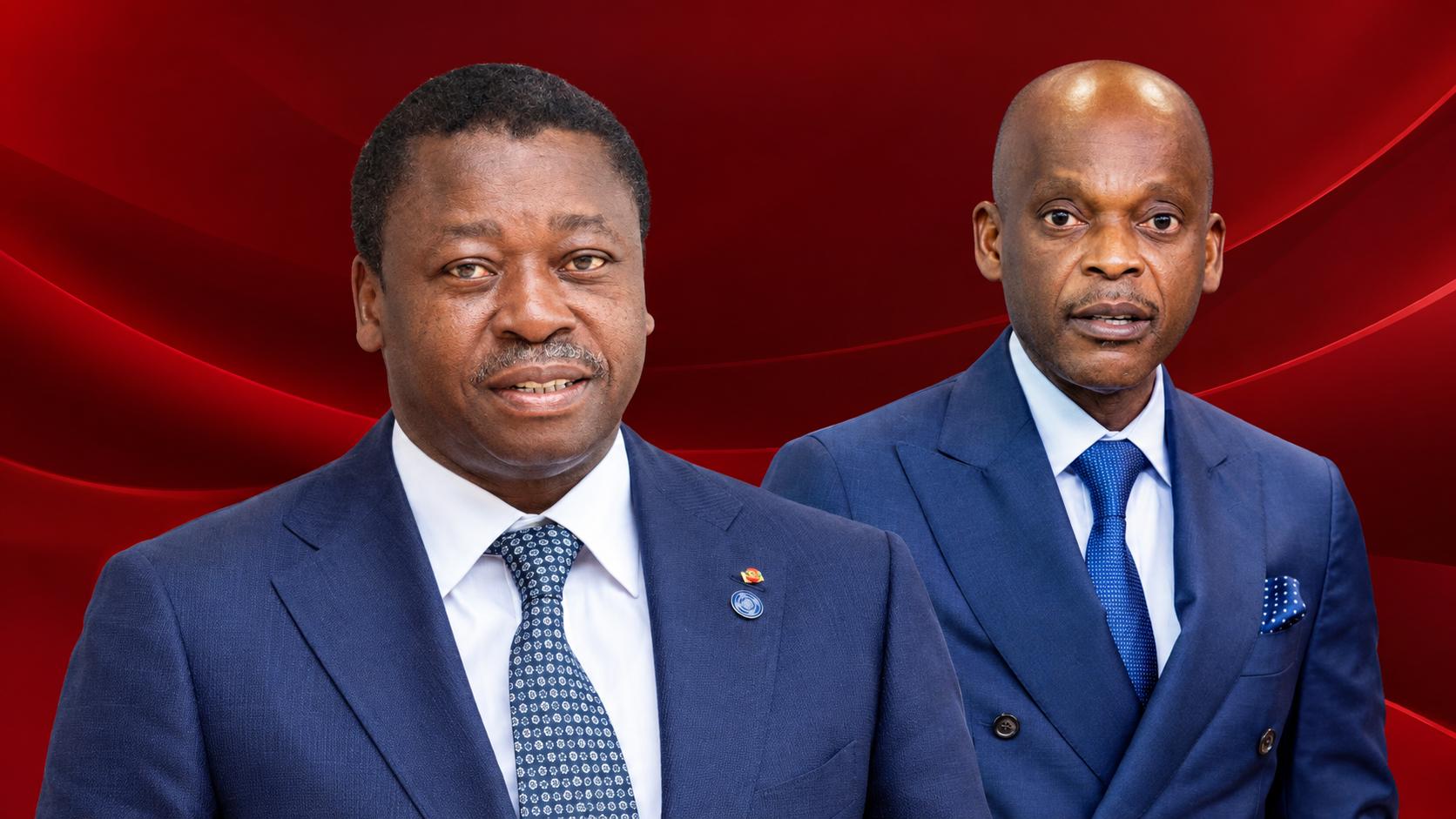
While ordinary families in Togo struggle daily with a crushing economic crisis and skyrocketing living costs, the government’s massive spending on international diplomacy has triggered widespread anger. Investigations into state budgets and foreign influence contracts indicate that the administration spent a staggering 2 million US dollars to push and publicize the ‘new map of Africa’ initiative at the United Nations.
For several months, the foreign ministry engaged in a relentless campaign to champion this cartographic project. However, behind the celebratory declarations regarding the global influence of Togo, a closer look at the financial books shows that massive amounts of public funds were drained for a victory that remains largely symbolic.
A breakdown of the expenses including lobbying, luxury travel, and public relations
How was this 2 million dollar sum, taken directly from state coffers, actually distributed? Tracking the logistical and diplomatic operations reveals exactly where the public money went:
- International lobbying and consultancy agencies: To secure a spot for this resolution on the United Nations General Assembly agenda and gain backing from Western and Asian nations, Lomé turned to specialized firms in business diplomacy and crisis communication. These partners included public relations agencies in Paris—historically hired by African presidencies—and American lobbying firms in Washington D.C., registered under the Foreign Agents Registration Act (FARA) to connect Togolese diplomats with English-speaking decision-makers. These strategic consulting fees were paid in foreign currencies, totaling hundreds of thousands of dollars.
- Robert Dussey’s high-end diplomatic tours: Foreign Minister Robert Dussey traveled extensively to lobby key players directly, flying first-class and staying in luxury hotels across New York, Paris, Geneva, and various African capitals. Private flights, generous daily allowances, and official delegation expenses made up a massive portion of the total bill.
- State pageantry and welcoming receptions: The secondary costs rose quickly due to lavish official dinners, diplomatic presents, and fully funded accommodation for international experts and delegates during preparatory sessions aimed at securing favorable votes.
- Media campaigns and promotional outlets: Significant sums went to funding targeted media campaigns in global outlets, publishing sponsored opinion pieces, and organizing specialized academic seminars to validate the initiative.
A glaring disconnect from domestic emergencies
Civil society groups and economic analysts point out that wasting such enormous resources is entirely unacceptable given the country’s domestic reality. This 2 million dollar expenditure, which equals more than one billion CFA francs, could have easily been used to supply essential medical equipment to struggling hospitals in Kara, Dapaong, or Adetikopé. It could have also funded the construction of new school classrooms or backed direct financial aid programs for highly vulnerable families.
By prioritizing expensive vanity projects and relying on foreign consulting firms instead of addressing the basic needs of its population, the leadership of Togo has once again demonstrated the deep divide between its desire for a prestigious international image and the urgent daily struggles of the Togolese people.