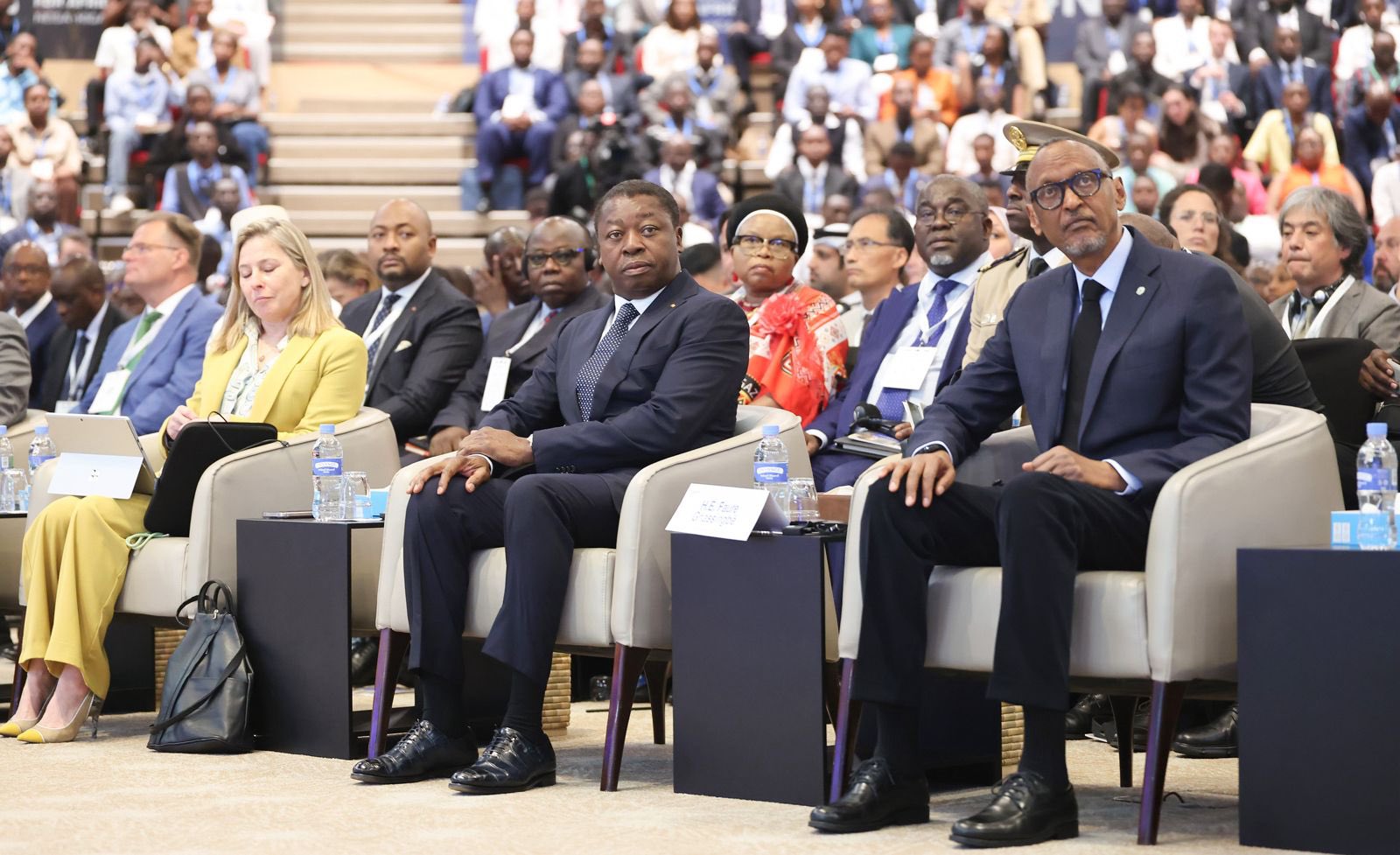
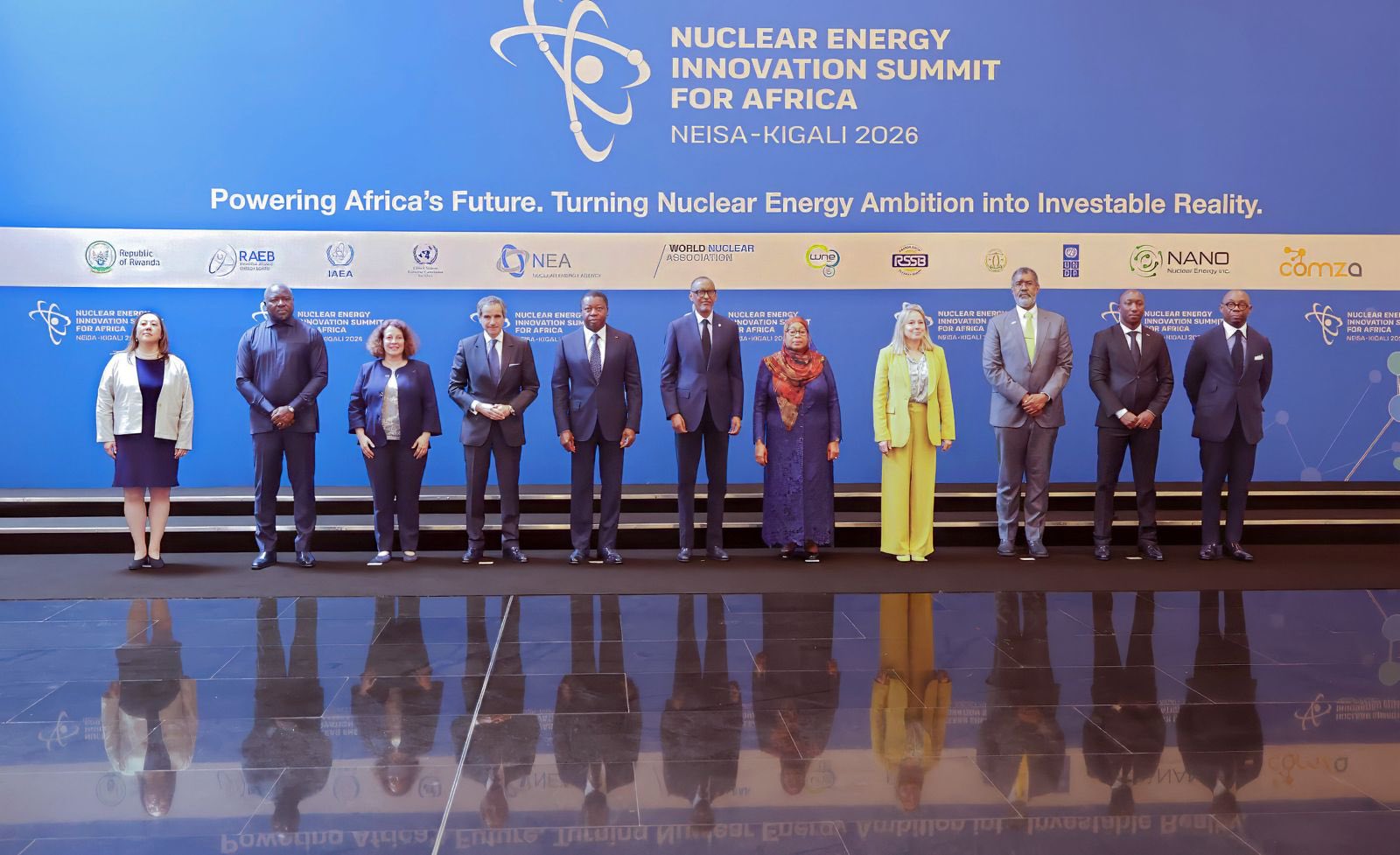
Kigali, May 20, 2026 — Within the sophisticated confines of the Kigali Convention Centre, urgent energy needs and ambitious industrial visions dominated discussions. On May 19, 2026, heads of state, civil nuclear experts, investors, and global partners convened for the second edition of the Nuclear Energy Innovation Summit in Africa (NEISA 2026). This significant gathering underscored the continent’s growing determination to redefine its energy future.
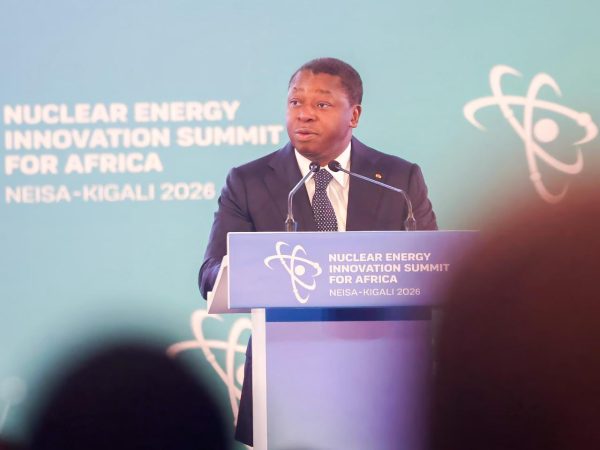
Among the distinguished leaders present, Faure Essozimna Gnassingbé articulated Togo’s core message: Africa must move beyond merely managing current energy deficits. Instead, it must strategically invest in technologies poised to fuel its economic transformation in the years to come.
During his address, the Togolese leader emphasized the critical need for African nations to proactively address the energy demands arising from industrialization, population expansion, and the burgeoning digital economies. Beneath the diplomatic and technical exchanges of the summit lay a widely acknowledged truth across the continent: without reliable, cost-effective, and sustainable energy, Africa’s aspirations for industrial growth risk remaining unfulfilled.
Nuclear power: africa’s evolving energy solution
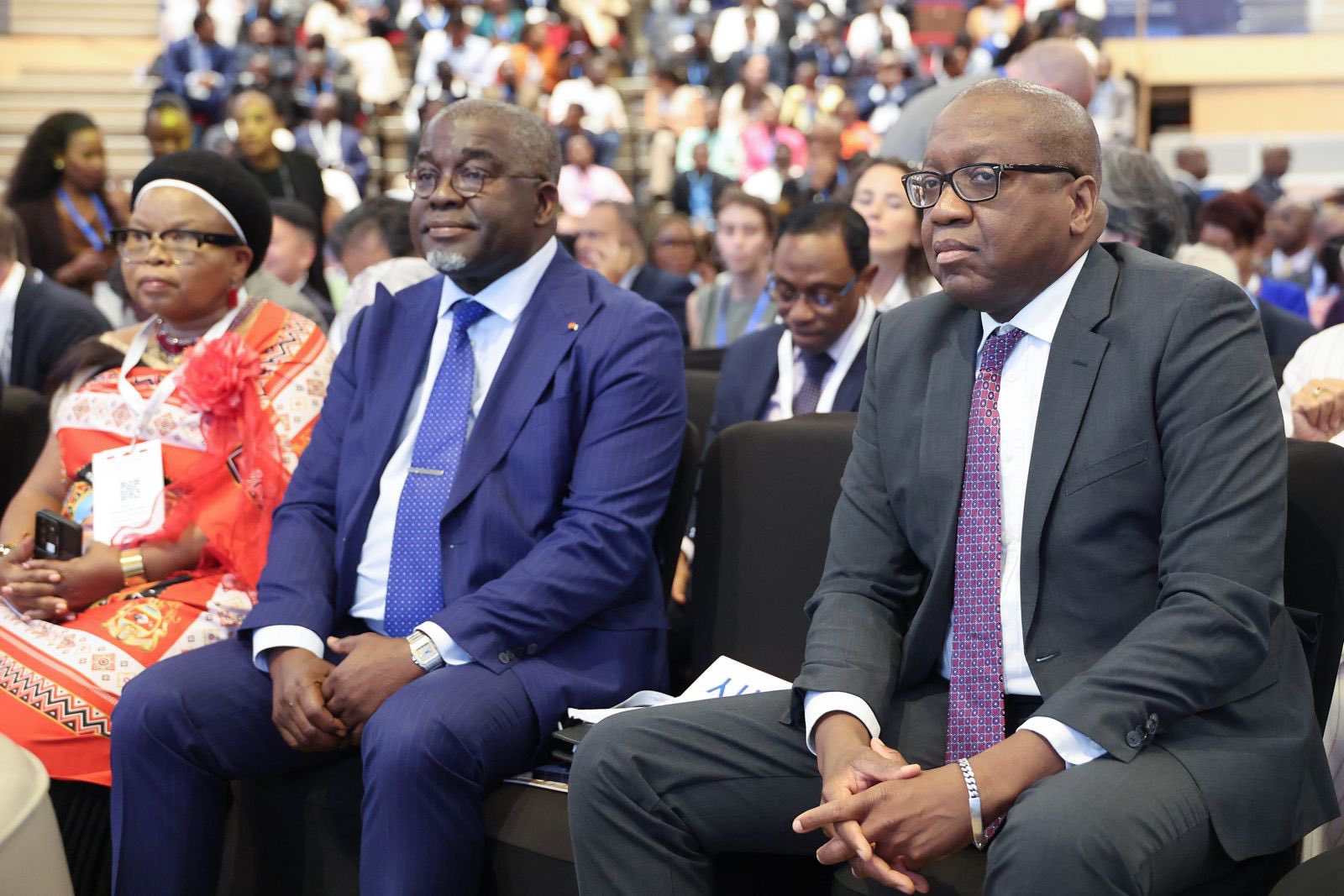
In Kigali, civil nuclear energy emerged as a pivotal theme. Once perceived as unattainable for many African nations due to its substantial costs and complex technical requirements, this sector is steadily moving to the forefront of African energy strategies.
For numerous attendees, the discourse extended beyond mere electricity generation, encompassing issues of national sovereignty, industrial competitiveness, and robust energy security. In this evolving landscape, Togo championed an approach rooted in innovative partnerships, diversifying energy sources, and strengthening regional collaboration.
Togo’s cooperative and innovative energy strategy
The message conveyed by Faure Essozimna Gnassingbé in Kigali is part of a broader strategy: leveraging access to energy as a catalyst for economic transformation. Togo is actively pursuing international collaborations to acquire technical expertise, secure financing, and foster technological innovation.
Beyond nuclear power, the summit’s deliberations also encompassed vital topics such as energy infrastructure, smart grid development, financing the energy transition, and cultivating local skilled labor. These are particularly strategic imperatives for African economies grappling with rapidly escalating energy demand.
Kigali: a forward-looking symbol for africa
In the conference halls of NEISA 2026, the prevailing sentiment was decidedly forward-looking. For the participating leaders, securing the continent’s energy future now necessitates investing in long-term solutions that can bolster African competitiveness in a rapidly evolving technological world.
At Kigali, Togo positioned itself as a committed participant in this continental dialogue. Through a blend of enhanced African cooperation, the pursuit of energy autonomy, and an openness to innovation, the summit clearly illustrated a significant shift: Africa is increasingly determined to forge its own path toward energy independence.