The latest accusations emerged from Bujumbura, where Russian Foreign Minister Sergei Lavrov alleged that Ukraine backs the M23 alliance, a rebel group controlling vast areas of North and South Kivu in eastern Democratic Republic of Congo (DRC).
Kiev responded swiftly, dismissing the claims as a deliberate disinformation campaign aimed at muddying diplomatic waters in the Great Lakes region. Ukrainian diplomats issued a firm rebuttal: “The Kremlin’s baseless allegations that Ukraine supports the M23 in eastern DRC are pure disinformation. We categorically deny and reject these accusations without reservation. There is no room for speculation here.”
– Moscow accused of mirroring its own tactics –
Rather than accepting the accusations at face value, Ukraine turned the narrative back on Russia. Ukrainian officials emphasize their non-involvement in African conflicts while highlighting Moscow’s pattern of destabilizing the continent through arms supplies, sanctions violations, and recruitment of African fighters for its war in Ukraine.
Ukraine does not interfere in African conflicts. Russia, however, does—arming rebel groups, fueling instability, and recruiting Africans to fight in its war against Ukraine. The difference is stark.
According to Heorhii Tykhyi, this tactic is not new but part of a long-standing strategy to deflect attention from Russia’s own destructive actions. “Accusing others of what it does itself is a classic Russian playbook,” he stated. “The goal is clear: undermine US mediation efforts in the Great Lakes and divert focus from Russia’s destabilizing role that obstructs peace.”
For Ukraine, the Congolese conflict is now inextricably linked to the broader war in Europe, as Moscow’s accusations aim to deflect global scrutiny from its own military actions.
With foreign powers increasingly involved, the crisis in eastern DRC has taken on a pronounced geopolitical dimension. Each side is now vying to shape the narrative, assigning blame and influence to external actors.
– DRC urges diplomatic solution at UN –
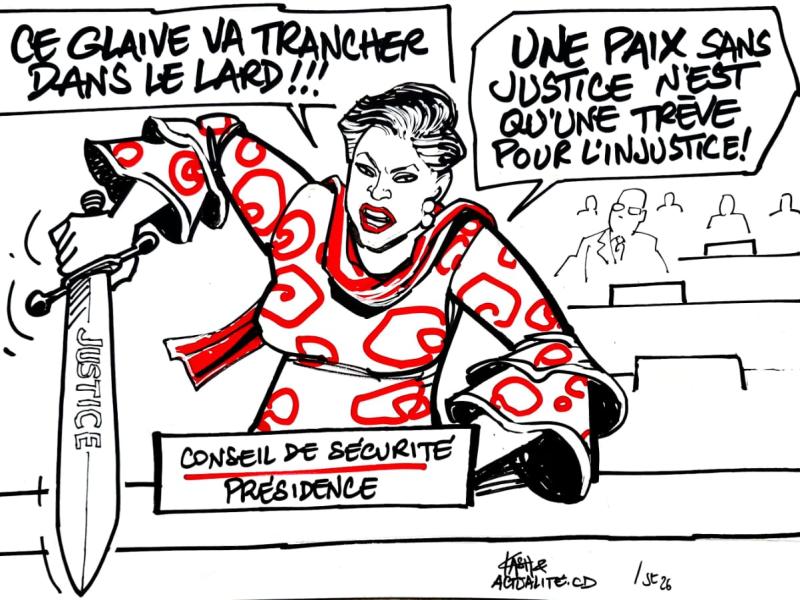
Amid escalating rhetoric, Democratic Republic of Congo presented a counter-narrative at the United Nations. Serving as Security Council President for the month, Kinshasa condemned the ongoing war in Ukraine during a session chaired by Zenon Mukongo Ngay on July 9. The Congolese government underscored the humanitarian toll of the conflict and stressed that military solutions are untenable.
In a region scarred by its own conflicts, the DRC called for strict adherence to international law, protection of civilians, and prioritization of de-escalation, dialogue, mediation, and diplomacy. The government reaffirmed its commitment to supporting credible peace initiatives that uphold the UN Charter and deliver justice for all.
– Peace efforts stall amid ongoing violence –
This diplomatic standoff unfolds against a backdrop of regional fragility. One year after the Washington Agreement was signed at the ministerial level, its implementation remains stalled due to conflicting interpretations by Kinshasa and Kigali.
Meanwhile, the humanitarian and security crisis in eastern DRC continues to worsen. Despite repeated assessments and peace talks, violence persists—especially in areas under M23 control—leaving civilians trapped in a cycle of instability.