The human rights situation across the eastern Democratic Republic of Congo (DRC) has reached an “exceptionally grave” level, an independent United Nations inquiry commission declared this Monday, June 29, citing alarming allegations of widespread violence against civilians.
Presenting its initial update to the Human Rights Council in Geneva, the UN’s independent commission, tasked with examining human rights conditions in the Sud-Kivu and Nord-Kivu provinces of the DRC, painted a disturbing picture. It condemned a continuous deterioration of the security landscape, characterized by vast population displacements, weakening public institutions, and a complex regional conflict.
“The information brought to our attention reveals a situation of exceptional gravity,” stated Arnauld Akodjenou, the commission’s president.
Widespread violence and human rights violations
Numerous testimonies confirm egregious abuses targeting civilians, according to the Commission. These include conflict-related sexual violence, with documented cases of sexual slavery, alongside unlawful killings, arbitrary detentions, and the forced recruitment of individuals, including children.
Furthermore, the documented violations encompass attacks on vital infrastructure such as schools and healthcare facilities.
“We have received profoundly disturbing accounts concerning children and conflict-related sexual violence,” Mr. Akodjenou emphasized.
A vulnerable civilian population without protection
The Commission underscored the profound vulnerability of residents in the affected zones, who often find themselves without protection amidst the ongoing violence. Displaced persons, women, children, and already fragile communities bear the brunt of these grave circumstances.
The humanitarian crisis is further exacerbated by significant impediments to aid access. Reports also detail instances of ill-treatment within detention facilities that fail to uphold fundamental legal safeguards.
“No individual should face reprisals for collaborating with United Nations mechanisms,” Commissioner Clément Voule asserted.
An investigation still in its preliminary phase
Established by the Human Rights Council, the Commission’s mandate is to investigate alleged violations of international humanitarian law and human rights in eastern DRC. At this juncture, its investigations remain in their preliminary phase.
“The Commission does not prejudge either the facts or responsibilities,” clarified Commissioner Maxine Marcus, stressing the imperative of a victim- and survivor-centered approach.
Since commencing its work, the Commission has conducted over 50 online consultations and more than 30 in-person meetings with a diverse range of stakeholders. During a mission to Kinshasa in early June, members engaged directly with victims, civil society organizations, government representatives, and international partners. A total of 35 civil society organizations alone contributed their perspectives in group discussions.
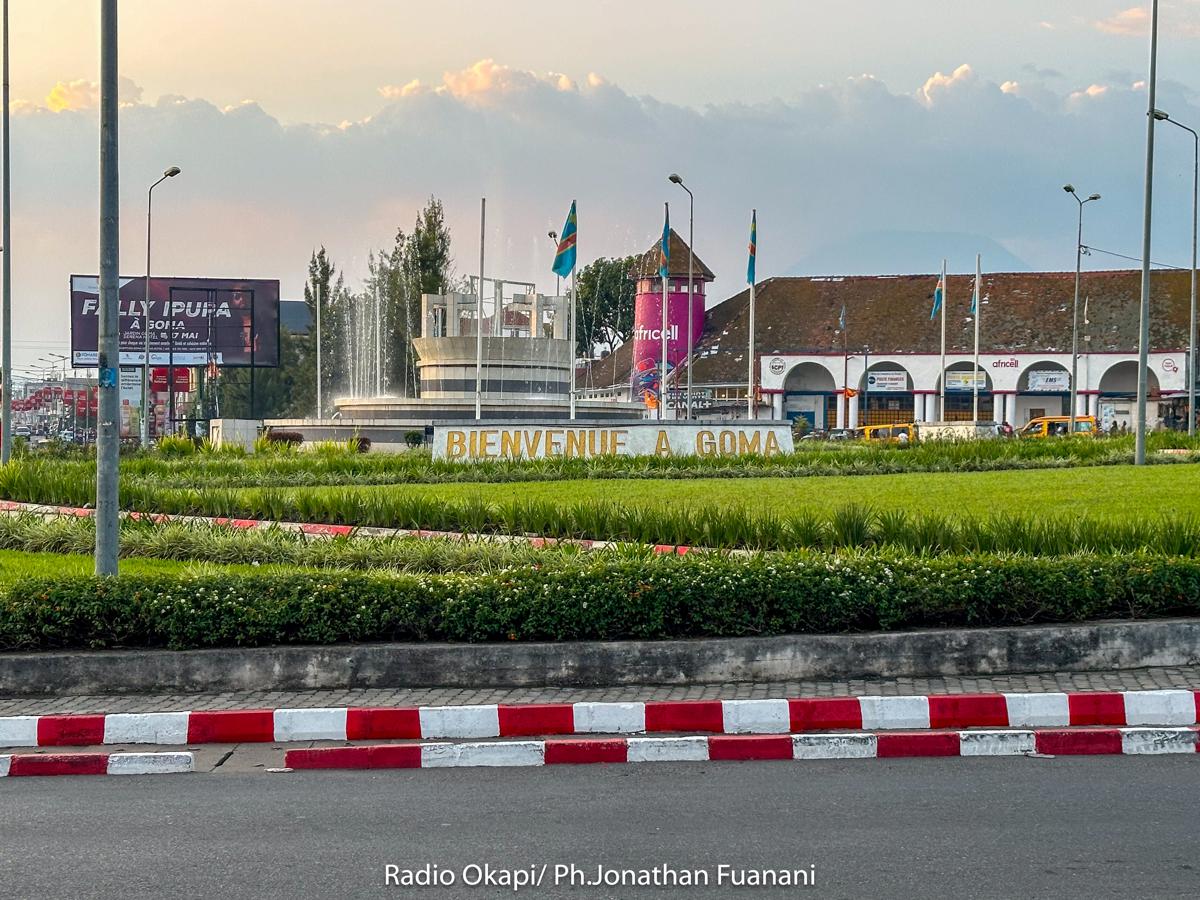
However, prevailing security conditions have so far prevented investigators from visiting Goma and other impacted areas in the eastern region, although visits are planned as soon as circumstances permit.
A multidimensional crisis
Beyond the pervasive violence, the Commission depicts a multifaceted crisis impacting security, health, governance, education, and the economy. This dire situation is compounded by persistent fighting, ongoing population displacements, and significant health risks, notably those associated with the Ebola epidemic.
In response to this complex environment, the UN body urgently appeals to all parties involved in the conflict to guarantee safe, swift, and unrestricted humanitarian access, particularly for the most vulnerable groups.
Call for urgent action
The Commission unequivocally stresses the necessity of prioritizing victims in all efforts to combat impunity and calls upon both national authorities and the international community for immediate action.
Its key recommendations include:
- preserving humanitarian corridors,
- protecting human rights defenders and local observers,
- supporting independent and credible investigations.
“The suffering brought to our attention demands more than mere concern. It necessitates rigorous investigation and a resolute international commitment,” concluded Arnauld Akodjenou.
The Commission reiterates its unwavering commitment to conducting independent and impartial investigations to establish facts and contribute to justice, especially given the profoundly high expectations of victims.