building shared resilience against infectious threats in the Sahel
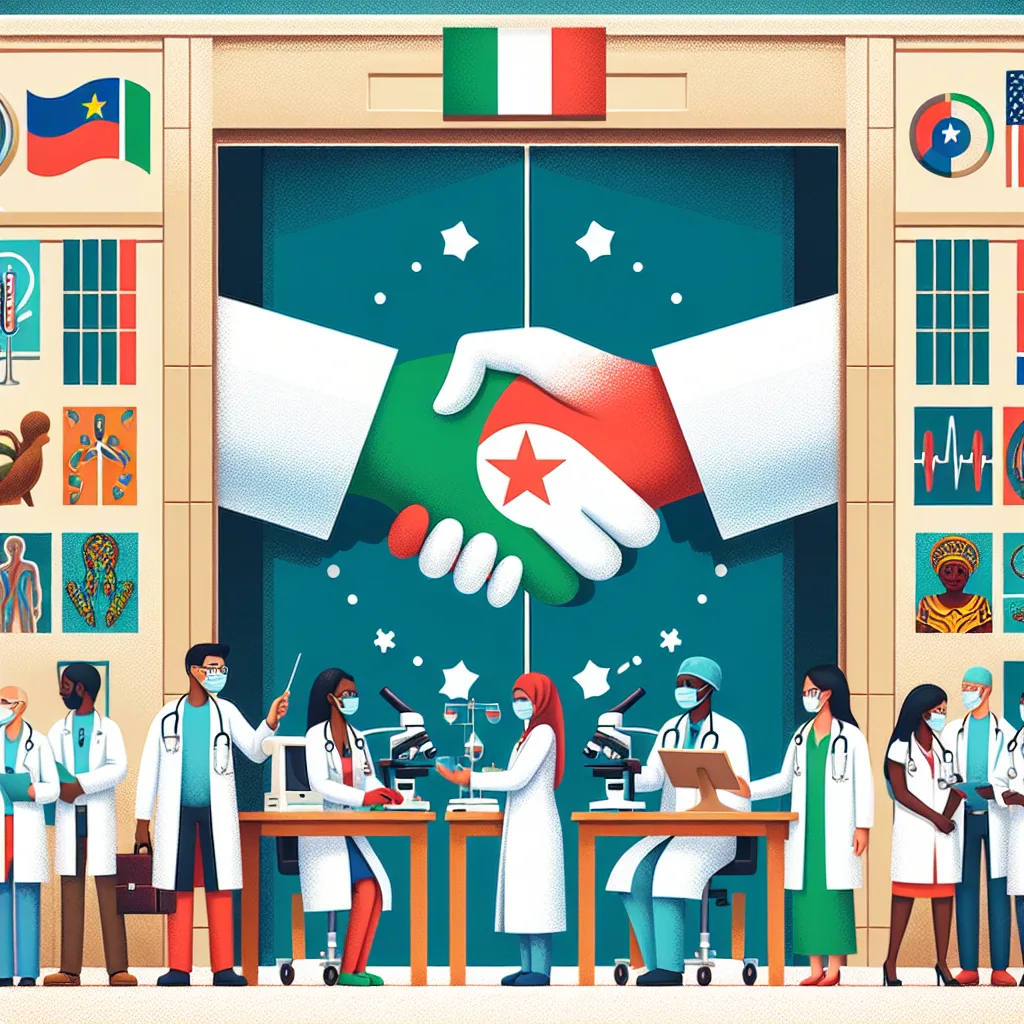
a landmark five-year agreement between the United States and Burkina Faso elevates health security as a shared priority. the pact aims to equip Burkina Faso with autonomous tools to counter infectious disease threats while simultaneously safeguarding public health in the United States. this bilateral framework emphasizes local ownership, stronger on-the-ground health systems, and structured cooperation built on clear objectives, dedicated resources, and consistent monitoring. in a region facing persistent health challenges, the partnership seeks to predict, detect, and respond swiftly to epidemics.
a strategic, results-driven partnership
this collaboration is designed for long-term impact with measurable outcomes. coordination mechanisms will align national health priorities with external support, fostering shared responsibility and transparent financial practices. through multi-year planning, programs will gain stability, enabling ongoing performance evaluation. a results-oriented approach is embedded in the initiative, featuring defined health targets and tracked indicators to ensure accountability.
targeted financial support for critical health challenges
significant funding has been allocated to combat HIV/AIDS, malaria, and other infectious diseases. these resources will flow into prevention, rapid diagnosis, and treatment, with an emphasis on operational efficiency. additionally, Burkina Faso has pledged to increase public health spending, reinforcing local ownership and ensuring the sustainability of health gains. a portion of the budget will be reserved for emergency preparedness and rapid response efforts.
public health priorities take center stage
a strategic roadmap has been developed to focus on high-impact health interventions. malaria control efforts will intensify through targeted campaigns, insecticide-treated bed nets, and expanded access to rapid diagnostic tests. the fight against HIV/AIDS will prioritize combined prevention strategies, continuous care, and adherence to treatment regimens. maternal and child health services will be integrated into community-based care to reduce care fragmentation.
modernizing epidemic surveillance systems
early detection of infectious threats is a cornerstone of the agreement. digital platforms will streamline data reporting, enhance data reliability, and guide timely decision-making. interoperable alert systems will ensure proportional responses to outbreaks. staff training will focus on improving report quality and case traceability, enabling rapid containment of disease spread and minimizing human costs.
upgrading laboratory networks for faster diagnostics
laboratory capacity will be expanded to reliably identify pathogens. state-of-the-art equipment will be supplied, and standardized protocols will be implemented across facilities. reference networks will be strengthened to accelerate confirmatory testing and expertise sharing. regular audits will uphold quality standards, biosafety protocols, and equipment maintenance. these upgrades will shorten diagnostic timelines and optimize patient care.
strengthening community-based healthcare delivery
community health workers will form the backbone of the initiative, bridging prevention, screening, and treatment services to underserved populations. continuous training, supervision, and resource provision will empower these frontline workers. simplified care pathways will be introduced to reduce treatment abandonment, supported by public awareness campaigns promoting protective behaviors and service utilization.
integrating health workers for long-term stability
at the conclusion of the agreement, partner-funded frontline health workers will be integrated into Burkina Faso’s public health system. this transition ensures service continuity and stabilizes care delivery. laboratory technicians will also be formally recognized to build local expertise. by embedding these roles within national structures, the initiative aims to create a resilient health system driven by local talent and transparent governance.
national ownership and accountability
Burkina Faso’s leadership in this partnership is fundamental. budgetary adjustments will prioritize social and health investments, while monitoring frameworks will track progress, address gaps, and disseminate lessons learned. joint accountability mechanisms will ensure responsible fund utilization. regular consultations with local stakeholders will further reinforce transparency and inclusivity.
regional health security as a shared responsibility
the partnership extends beyond borders, aiming to prevent cross-border epidemic spread. information-sharing protocols will be established with neighboring countries and regional bodies. joint simulation exercises will test emergency response plans, and supply chains will be secured to ensure the timely delivery of essential medical supplies. by strengthening Burkina Faso—a key Sahel nation—this initiative seeks to create a ripple effect of improved health security across the region.
navigating political transitions with health-first policies
the agreement accounts for Burkina Faso’s ongoing political transition, ensuring health programs remain insulated from institutional instability. continuity plans will protect essential health services, and technical partners will collaborate with local authorities to maintain neutrality. this approach guarantees uninterrupted access to critical care, even amid political changes.
aligning with global health strategies for maximum impact
America’s Global Health Security Strategy underpins this partnership, linking health security with resilient health systems. multiple bilateral engagements across Africa are reinforcing prevention and response capacities. this alignment fosters streamlined support, eliminates redundancy, and accelerates health outcomes by combining vertical disease-specific initiatives with horizontal system-strengthening efforts.
measuring success through transparent reporting
clear indicators will monitor service coverage, care quality, and expenditure efficiency. interactive dashboards will guide real-time decision-making, priority adjustments, and impact documentation. best practices will be shared to inspire similar programs across the Sahel. ultimately, the initiative aims to reduce preventable infections and maternal and child mortality rates sustainably.
tangible benefits for communities
households stand to gain from more reliable local health services, faster diagnostic timelines, increased availability of medical supplies, and improved health education. vulnerable populations will receive enhanced protection mechanisms. with robust funding and vigilant governance, the partnership charts a clear path toward enduring health progress in Burkina Faso and beyond.