united states and Burkina Faso seal $147 million health alliance
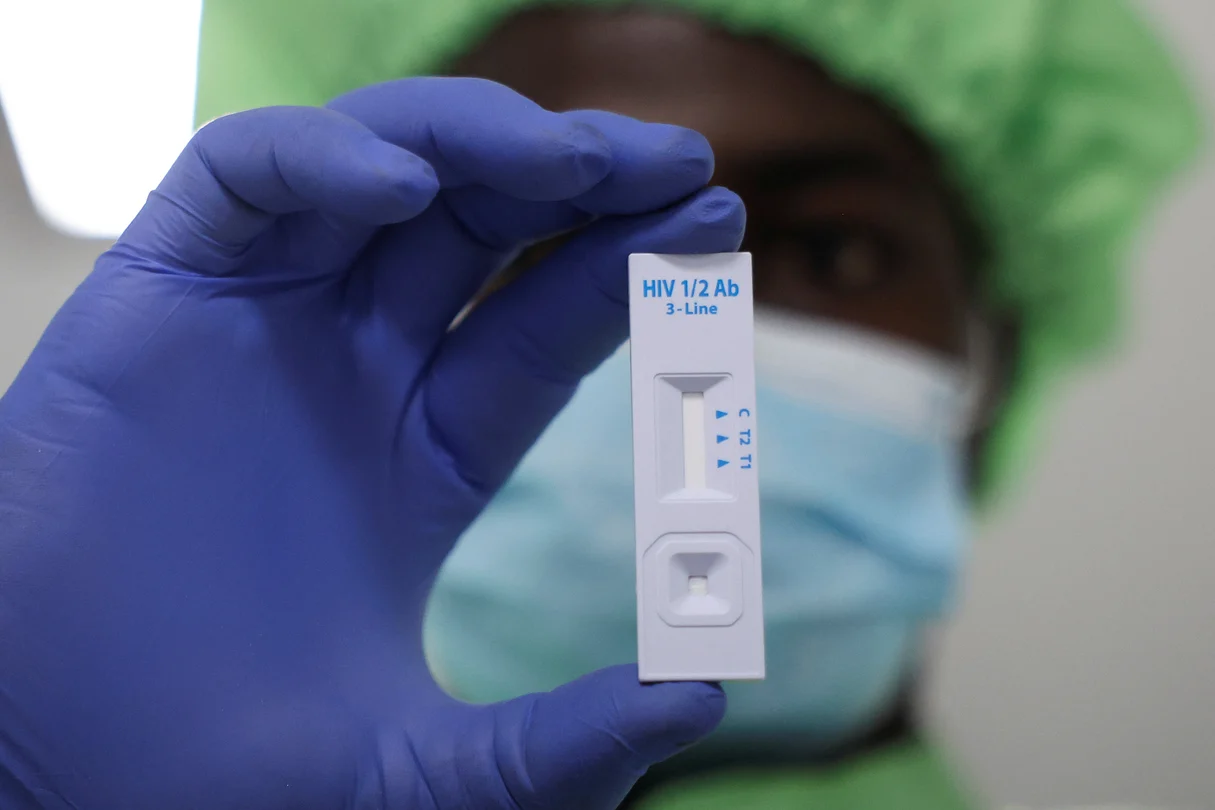
the united states department of state has finalized a five-year bilateral memorandum of understanding with Burkina Faso, securing a total funding commitment of $147 million. this landmark agreement aims to bolster the west african nation’s battle against hiv/aids, malaria, and other infectious diseases while simultaneously strengthening national epidemiological surveillance and emergency response systems.
the pact underscores a shared commitment to enhancing Burkina Faso’s capacity to detect, prevent, and contain the spread of communicable diseases. by allocating $107 million in domestic health expenditures, the country demonstrates its dedication to sustainable health system development and self-reliance.
a key component of the collaboration focuses on global health security, with approximately $12 million earmarked for initiatives that modernize community health networks, digitize health data collection, and upgrade laboratory infrastructure to identify emerging pathogens swiftly. these measures are critical for building resilience against future outbreaks.
the agreement also reinforces ongoing programs targeting malaria elimination and maternal-child health, with a strong emphasis on empowering frontline community health workers—the backbone of locally driven healthcare delivery. upon completion of the five-year term, us-funded health professionals and laboratory technicians will transition into Burkina Faso’s public health workforce, ensuring long-term sustainability.
building a resilient health system
the ultimate goal is to create a robust national health infrastructure capable of safeguarding both Burkina Faso and the united states from cross-border health threats. this partnership aligns with the broader America First Global Health Security Strategy, which has mobilized over $18.56 billion in health financing globally, including $11.33 billion from the united states and $7.23 billion in co-investments from partner nations.
as of the agreement’s signing, the united states has established 17 bilateral health protocols with countries across africa, including Botswana, Burundi, Cameroon, Côte d’Ivoire, Ethiopia, Kenya, Nigeria, and Rwanda, among others.
sovereignty concerns shape some global health partnerships
not all nations have embraced the initiative. Zimbabwe declined a $367 million funding offer, citing concerns over national sovereignty and oversight mechanisms. Zambia, while engaged in discussions, has raised reservations about certain terms, leaving the future of the agreement contingent on potential revisions.