Vandalism at Gabon’s Communication Authority sparks security concerns
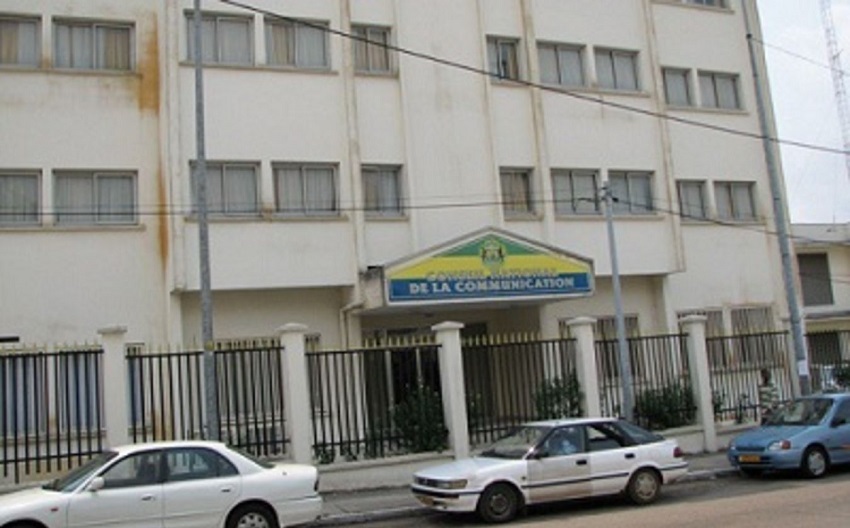
Libreville, June 3, 2026 – The forced entry and vandalism of multiple offices within Gabon’s Haute Autorité de la Communication (HAC) has raised serious questions about the security of the country’s public institutions.
The incident goes far beyond mere property damage. Four offices belonging to HAC advisors were broken into and ransacked, highlighting a deeper concern: the protection of institutions responsible for regulating public life and ensuring the smooth operation of the state. In a time when information, media oversight, and public communication play increasingly pivotal roles in modern societies, any attack on a regulatory body carries heightened significance.
According to reports, unauthorized individuals gained access to the advisors’ offices by forcibly breaking down doors and forcing entry. At this stage, the full extent of the damage and any missing or compromised items remain undetermined, as authorities have not yet released detailed assessments.
A pillar of democratic balance
The Haute Autorité de la Communication stands as a cornerstone of Gabon’s institutional framework. Tasked with overseeing media compliance, audiovisual communication, and public information, it operates in a highly sensitive domain where freedom of expression, editorial responsibility, and public order intersect. Any disruption to its operations, therefore, transcends material loss.
While no direct link has been established between the intrusion and the HAC’s regulatory duties, the incident underscores the urgent need to strengthen protections for institutions entrusted with vital public missions.
The broader issue of institutional security
A particularly troubling aspect of this breach is the apparent ease with which the intruders accessed multiple floors and offices. This raises immediate concerns about the effectiveness of security protocols, surveillance systems, and access controls within public administrations. Beyond the physical damage, the incident challenges the state’s ability to safeguard its critical infrastructure.
In democratic nations worldwide, regulatory bodies are typically granted enhanced security measures due to the sensitivity of the information they handle and their role in maintaining public order. The attack in Libreville serves as a stark reminder that administrative security is not merely a logistical concern—it is fundamental to the credibility and continuity of government functions.
Unanswered questions and possible motives
Several theories exist regarding the intruders’ intentions. Was this an act of vandalism aimed at causing disruption? A burglary targeting valuables or equipment? Or an attempt to access sensitive documents? Without official clarifications, definitive conclusions remain elusive.
This is precisely why a thorough investigation is essential. Authorities must determine the perpetrators’ motives, methods, and any security vulnerabilities that facilitated their entry. Only then can meaningful lessons be drawn to prevent future breaches.
A wake-up call for public administrations
While the HAC is the focus of this incident, the implications extend to all public institutions. As data digitalization, sensitive document management, and governance challenges grow in importance, securing workspaces has become a strategic necessity. Protecting institutions is not just about preserving state assets—it’s about defending administrative continuity, public trust, and the proper functioning of the Republic.
The ongoing investigation will, of course, seek to identify those responsible. Yet the true stakes go beyond judicial proceedings. The incident presents an opportunity to implement necessary reforms, ensuring that institutions charged with upholding democratic balance can operate in a fully secure environment.
When a regulatory authority’s offices are forcibly entered, the damage is not confined to walls and furniture. It strikes at the very heart of the state’s duty to protect its institutions—a duty that must remain uncompromised.