The shadowy operations of the Wagner Group mercenaries in the Central African Republic have become a lucrative yet brutal business model, blending military force with economic exploitation. Behind a facade of security support, these Russian operatives are accused of extracting vast mineral wealth while systematically intimidating local populations through violence and fear.
From security contracts to resource plunder
The presence of Wagner in the Central African Republic began under the guise of stabilizing the country, offering military training and protection to a fragile government. However, reports suggest their role has evolved into a systematic campaign of resource control, particularly in gold and diamond-rich regions. Villages under their influence often face coercion, with local miners forced into unfavorable agreements or outright expropriation.
Violence as a tool of extraction
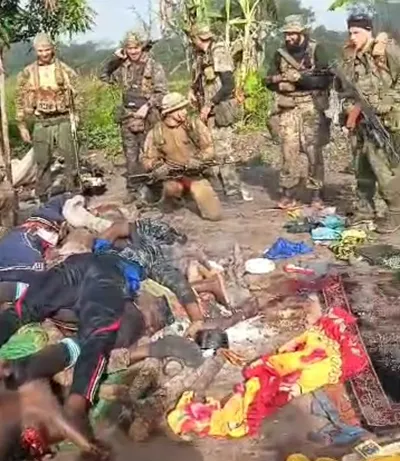
Testimonies from residents and human rights observers paint a grim picture of life under Wagner’s rule. Decapitations, arbitrary arrests, and forced displacements have become increasingly common in areas where the group operates. These tactics not only suppress dissent but also clear the way for unchecked resource extraction. The cycle of terror has left communities traumatized, with little recourse against a force operating with apparent impunity.
The billion-dollar question: Where does the money go?
Estimates place the financial gains from Wagner’s activities in the Central African Republic in the hundreds of millions. While some funds reportedly flow back to Moscow, much of the wealth appears to be laundered through shadowy networks, fueling further instability. The lack of transparency in their operations raises serious concerns about the long-term economic and humanitarian impact on the region.
International response and unanswered questions
Despite condemnations from global bodies, the Wagner Group continues to expand its footprint. The Central African Republic’s government, heavily reliant on their presence, has yet to address the human rights abuses or economic exploitation tied to their operations. As the situation escalates, the world watches, demanding answers about accountability and the future of a nation caught in the crossfire of geopolitical ambitions.