What happens if Senegal’s 2026 budget revision misses its deadline?

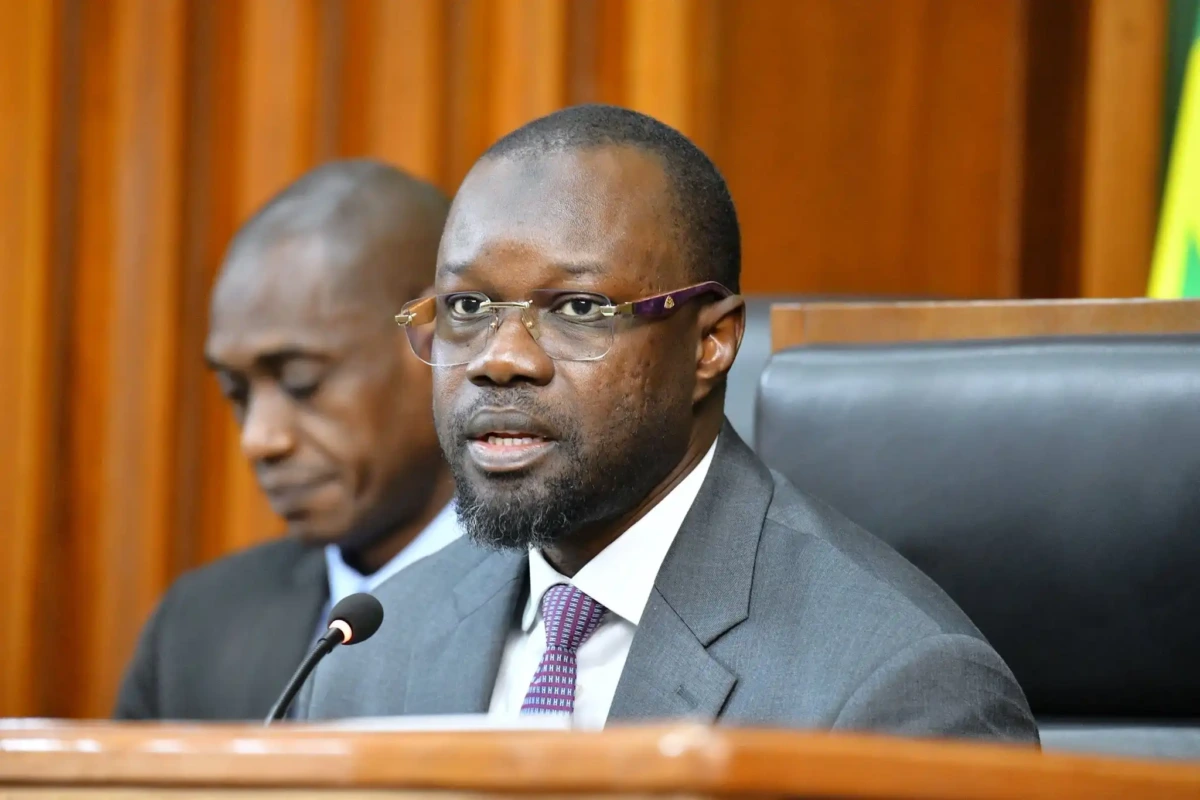
Senegal’s National Assembly received the 2026 revised finance bill on September 18, three days after the government’s own deadline. The delay triggered sharp criticism from Assembly President Ousmane Sonko, who publicly questioned why the text had not been transmitted on time. The episode has raised urgent questions about the country’s budget calendar and the credibility of its financial governance ahead of next year’s fiscal planning.
From instruction to delivery: a timeline of delays
On September 10, Prime Minister Ahmadou Al Aminou Lô convened a Council of Ministers meeting where he instructed Finance Minister Cheikh Diba to ensure the revised finance bill was submitted to the National Assembly by September 15. That deadline came and went without delivery. By September 18, only a last-minute transmission—backed by a presidential decree—prevented a full-blown parliamentary crisis. The bill arrived alongside a letter from the President, Bassirou Diomaye Faye, and Decree No. 2026-1645, which explicitly authorizes the Finance Minister to present the bill and defend its provisions.
This eleventh-hour move followed the publication of Decree No. 2026-1236 on June 29, 2026, which had originally signaled the bill’s introduction. The new decree superseded the earlier one, signaling that the entire process had to restart—adding further complexity to an already strained timeline.
Why Ousmane Sonko’s public criticism matters
The Assembly President, Ousmane Sonko, had openly criticized the absence of the bill, framing the delay as a failure of government responsiveness. His remarks were not merely political commentary; they reflected broader concerns about transparency and procedural integrity in Senegal’s budget process. With international partners closely monitoring fiscal discipline, such delays risk undermining investor confidence and delaying critical funding agreements.
Risks to public finances and investor trust
The revised finance bill isn’t just a procedural formality—it reflects real fiscal adjustments needed to meet Senegal’s budgetary commitments. A delayed submission can:
- Delay parliamentary debate and approval, pushing back disbursement of funds
- Signal weak governance to international creditors and investors
- Create uncertainty for businesses relying on timely budget allocations
- Strain relations with development partners who tie aid to strict fiscal calendars
Next steps: what lies ahead for Senegal’s budget
With the bill now in the Assembly’s hands, lawmakers must review and approve it under tight timelines. The government has also committed to finalizing the 2027 draft budget by the end of September—a goal that now appears precarious after this episode. If the Assembly drags its feet or raises objections, the ripple effects could extend beyond 2026, affecting everything from public sector wages to infrastructure projects.
Senegal’s ability to meet its fiscal calendar will serve as a test of its commitment to transparency and economic stability. The question now is whether the Assembly can accelerate its review without compromising scrutiny—and whether the government can deliver on its promises going forward.