When allies stumble, Moscow prefers silence over intervention
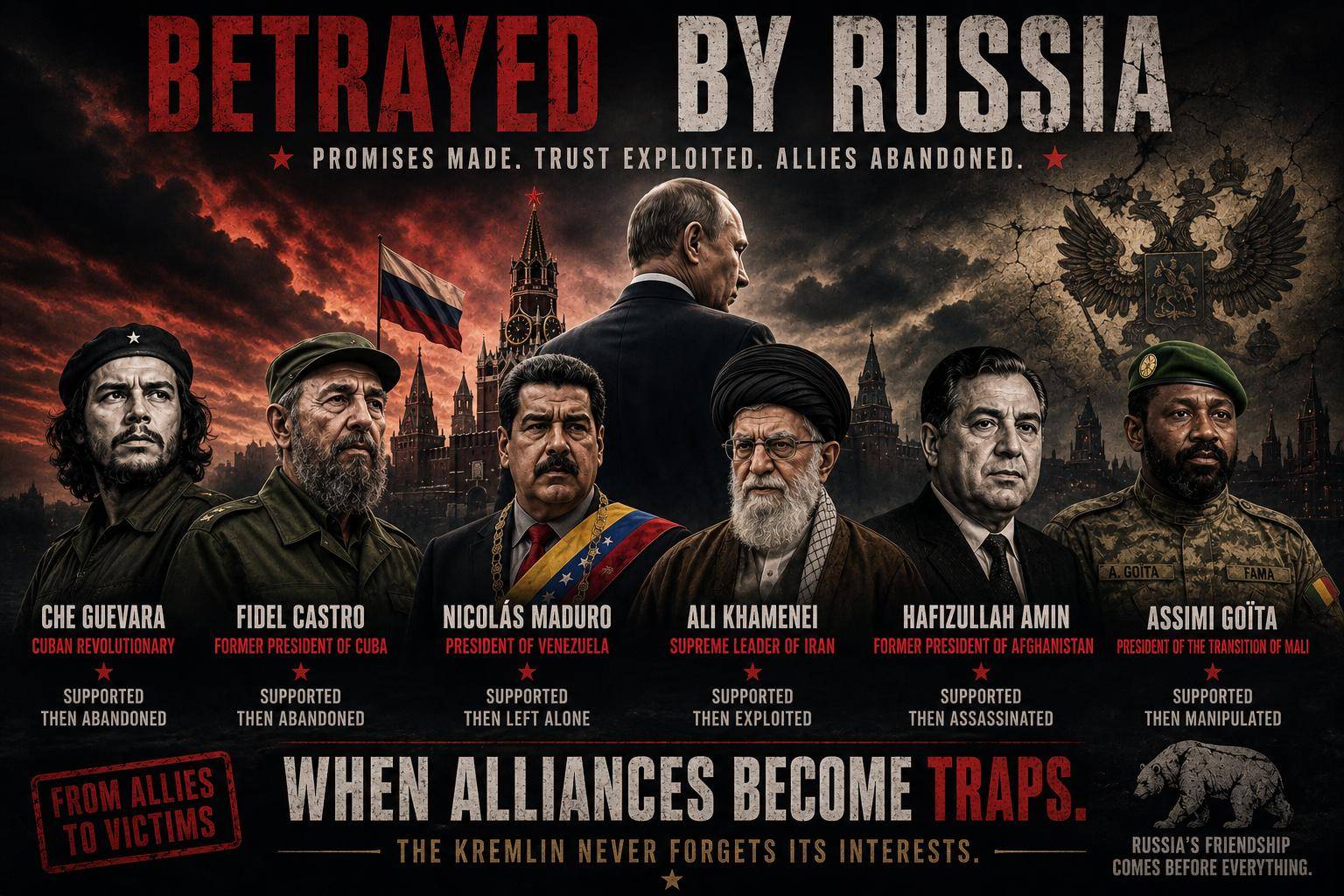
Across the globe, Moscow’s partners are facing escalating challenges—yet Russia’s response remains strikingly absent. Rather than rushing to their defense with bold statements or material support, the Kremlin has mastered the art of calculated silence, a tactic that puzzles even seasoned diplomats.
A calculated strategy, not a lack of commitment
This recurring pattern—where Russia withholds public backing during its allies’ toughest moments—is no accident. Observers note that the absence of vocal solidarity often speaks louder than any official declaration. Instead of rallying behind struggling regimes, Moscow adopts a stance of deliberate passivity, leaving allies to navigate crises without its visible support.
This approach is rooted in a cold, pragmatic calculus. The Kremlin’s priority is to avoid being tied to a failing cause or a leader on the brink of collapse. By staying silent, Russia maintains maximum flexibility: if the ally recovers, relations can resume as usual; if the regime falls, Moscow can discreetly engage with new power brokers without compromising its own standing.
Silence as a subtle diplomatic tool
In diplomacy, absence can be as powerful as presence. While Western capitals often issue public condemnations or appeals for restraint, Russia’s preferred method is to say nothing at all. When an ally crosses a red line, mismanages a crisis, or pursues a reckless path without Moscow’s approval, the absence of a Russian response serves as a quiet rebuke—a signal that the ally must face the consequences alone.
This silent disapproval is a way to distance Russia from its ally’s missteps without openly admitting discord. It allows Moscow to avoid public confrontation while still conveying displeasure, ensuring that internal fractures within alliances remain out of the spotlight.
Alliances built on transaction, not loyalty
Russia’s partnerships reveal a stark truth: these relationships are purely transactional. Moscow only steps in—whether with words or actions—if its core interests or strategic positions are directly threatened. If the crisis only jeopardizes a local leader rather than Russia’s broader agenda, the Kremlin chooses to stay on the sidelines, letting the ally bear the political fallout alone.
While official channels remain eerily quiet, pro-Kremlin media and influence networks ramp up their messaging, deflecting blame by framing crises as the work of