In Yamoussoukro, land values are skyrocketing and construction sites are popping up everywhere. The political capital of Côte d’Ivoire is rapidly emerging as a new hub for real estate investment in the country. This frenzy for land is not only reshaping neighborhoods but also raising pressing questions about the future of agricultural land.
a growing hotspot for property investors
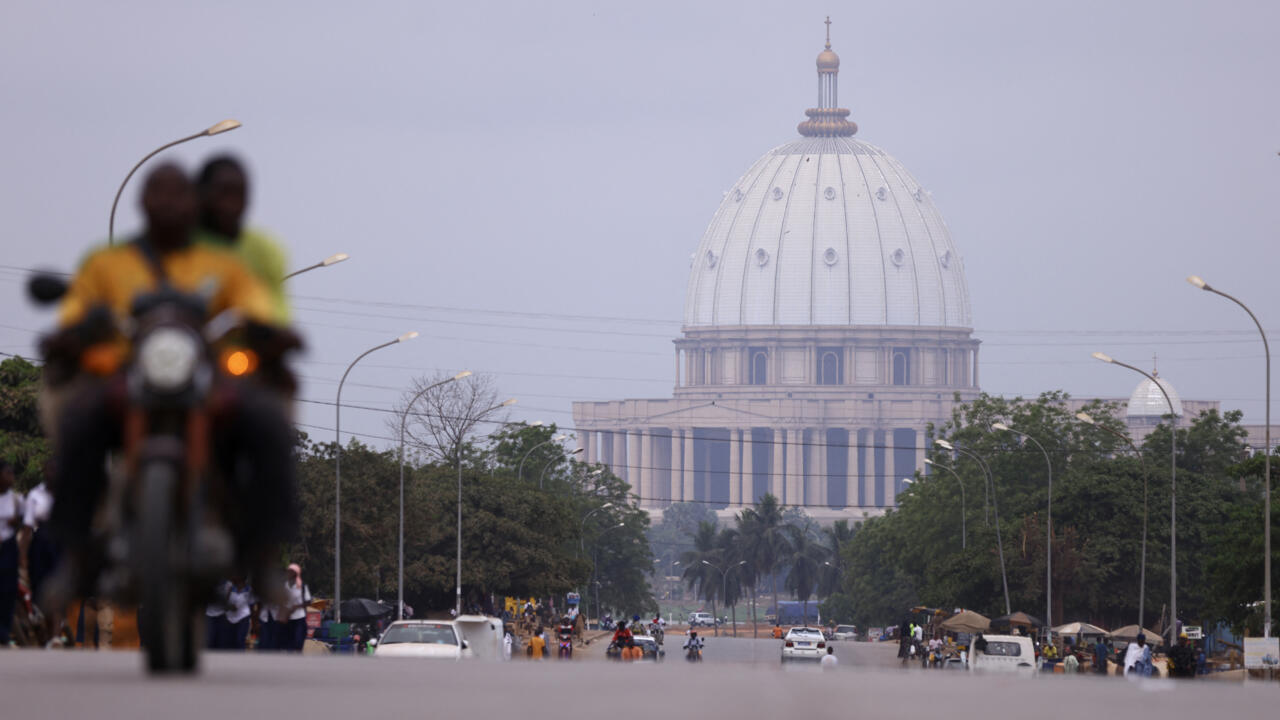
Real estate agent Francis Djaha has been in the business for five years, and he’s never seen demand like this. Using his drone, he showcases parcels he’s selling to potential buyers, offering a breathtaking aerial view of the basilica, one of the country’s most iconic landmarks. Dozens of lots are already marked out, with prices ranging from 15 to 40 million West African CFA francs depending on location and size.
« We’re seeing everything from individuals looking to build residential homes to industrial investors, commercial buyers seeking office space, and even agricultural land purchasers. Some clients want turnkey homes,» Djaha explains. The surge in activity is visible across multiple neighborhoods, with investors flocking to the city.
why yamoussoukro is attracting so much attention
The city’s appeal isn’t just about available land. « The roads are wide, making travel between areas effortless. The city is peaceful, and the infrastructure President Houphouët-Boigny built here sets it apart from other urban centers. Plus, its central location means you can reach any part of the country easily from Yamoussoukro This unique combination of accessibility, infrastructure, and strategic positioning is drawing buyers from Abidjan, other parts of Côte d’Ivoire, and even the diaspora. Many are lured by what they see as affordable prices and strong development potential. One entrepreneur, who prefers to remain anonymous, recently acquired a plot and is already planning a residential project « aimed at serving the growing population.» The transformation isn’t without consequences. Villages surrounding Yamoussoukro, once dedicated to crops like cocoa, yam, and cassava, are giving way to housing developments. While this shift brings hopes of modernization, it also fuels fears about the long-term viability of local farmland. In Séman Sanhourikro, just a few kilometers from the capital, Michel N’Goran, a village elder, watches these changes with growing concern. « With the new subdivisions, we can no longer farm the land. In 30 or 50 years, what happened to the Ebrié people in Abidjan could happen to the Akouès and Nanafouès of Yamoussoukro. We’ll have no arable land left,» he warns. The five-year national development plan includes a high-speed rail link between Abidjan and Yamoussoukro, expected to cut travel time to just 45 minutes. This project is expected to further boost the city’s appeal, but it also underscores the urgency of addressing land use conflicts.farmland under pressure