A significant political statement from the legislative chamber
Deputy Mbaye Dione’s address before the National Assembly transcended purely economic discussions concerning the FMI, national debt, or the endowment funds for local authorities. In the concluding segment of his remarks, the parliamentarian strategically broadened his focus to encompass the prevailing national political landscape and the dynamic between the governing power and the opposition.
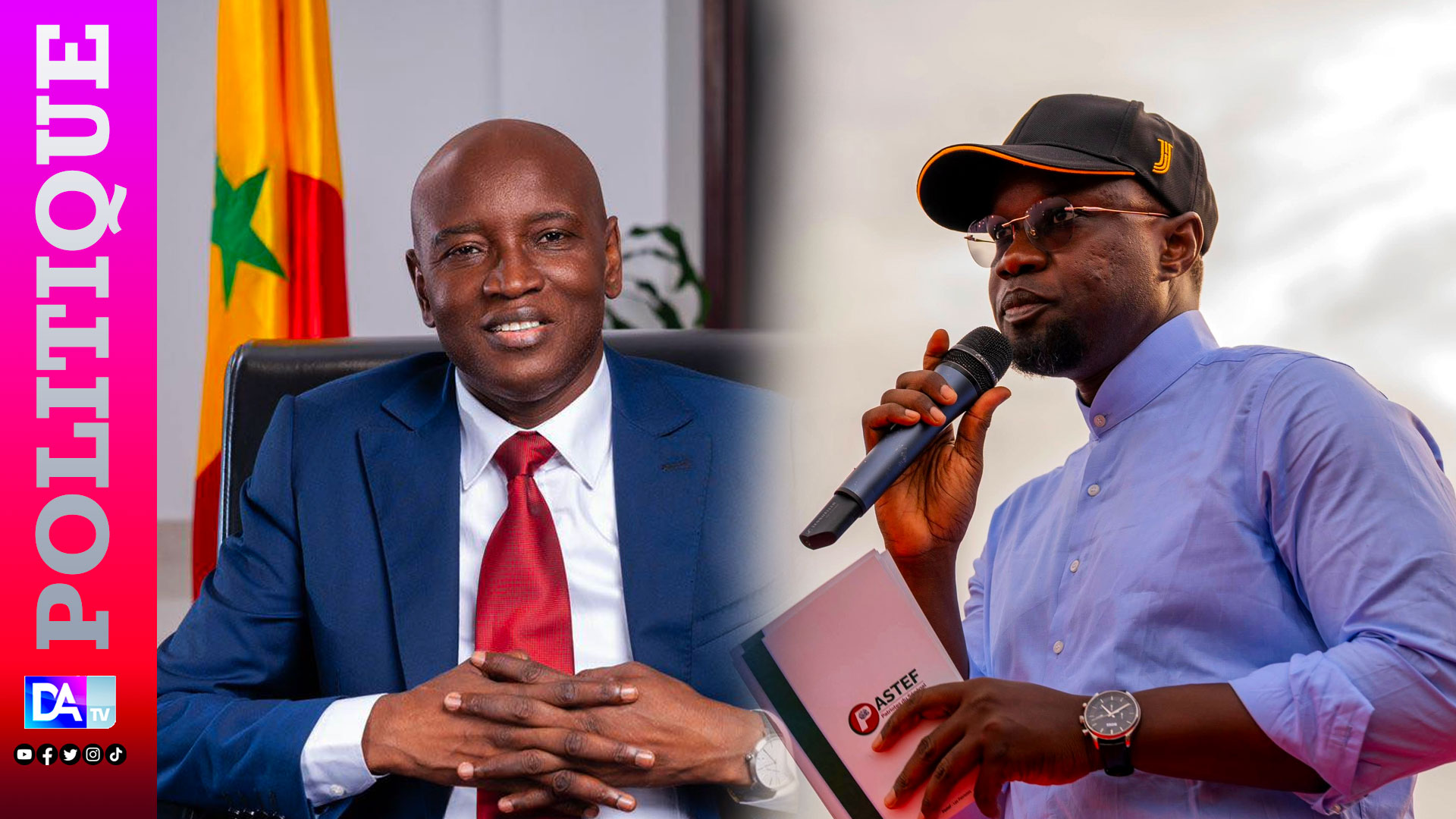
Addressing the Speaker of the National Assembly directly, Dione requested that a specific message be conveyed to Ousmane Sonko. He underscored the gravity of this message, citing what he described as an unprecedented level of political tension in the country.
“We are not his adversaries”
The most impactful declaration of his intervention will undoubtedly be remembered: “We are not his enemies. We are his opponents.”
Through this emphatic statement, Mbaye Dione aimed to draw a distinct boundary between legitimate political opposition and personal animosity. He articulated that disagreeing with a government, a ruling majority, or a particular policy direction does not equate to being against the nation itself, much less being an enemy of those in power.
The deputy thus reaffirmed that the Senegalese opposition adheres to a republican posture. It intends, in his words, to fully engage in democratic discourse, offering support to the government when deemed appropriate, while also staunchly opposing measures it considers detrimental.
Recalling Ousmane Sonko’s history as an opposition figure
Mbaye Dione further referenced Ousmane Sonko’s own political past to bolster his argument. He reminded the assembly that Sonko himself was once a prominent opposition figure, frequently utilizing institutional platforms to voice his disagreements.
According to the deputy, Ousmane Sonko must now, in turn, accept that other political leaders may not align with his positions. Dione asserted that constructive contradiction is an inherent and vital component of a functioning democracy.
For Mbaye Dione, an individual who once stood in opposition must be prepared to accept opposition today. He therefore advocated for a consistent approach in how political adversaries are treated.
The National Assembly must not become a venue for settling scores
In his speech, Mbaye Dione also emphasized the crucial role of the National Assembly within the institutional framework of the nation. He reiterated that this institution holds a significant position in the Republic and must remain a dedicated space for debate, oversight, and accountability.
The deputy cautioned against any attempts to transform the legislative chamber into an arena for personal clashes or political score-settling. In his view, the National Assembly is meant to serve the country, not to become a battleground for competing factions.
This cautionary statement reflects a broader concern: the imperative to uphold the dignity of Parliament and the integrity of democratic deliberation.
An opposition asserting its responsibility
Mbaye Dione was keen to portray the opposition as a responsible force, deeply committed to republican principles. He conveyed that opposition deputies are not driven by systematic obstruction but by a diligent and watchful approach.
“We will act as responsible republicans, as courageous opponents,” he declared in essence.
Through these words, the deputy sought to define an opposition capable of endorsing sound decisions while firmly challenging those it believes are contrary to the national interest.
A plea for political de-escalation
Beyond the direct address to Ousmane Sonko, Mbaye Dione’s intervention resonated as a broader appeal for political de-escalation in the relationship between the government and the opposition. The parliamentarian urged the new authorities to acknowledge the legitimate role of political dissent.
His message is rooted in a fundamental principle: in a democracy, governing does not imply silencing the opposition, and opposing does not equate to working against the nation.
By reminding everyone that political opponents are not enemies, Mbaye Dione endeavors to steer the political discourse back to an institutional and republican foundation.
Deputy Mbaye Dione’s address before the National Assembly transcended purely economic discussions concerning the FMI, national debt, or the endowment funds for local authorities. In the concluding segment of his remarks, the parliamentarian strategically broadened his focus to encompass the prevailing national political landscape and the dynamic between the governing power and the opposition.
Addressing the Speaker of the National Assembly directly, Dione requested that a specific message be conveyed to Ousmane Sonko. He underscored the gravity of this message, citing what he described as an unprecedented level of political tension in the country.
“We are not his adversaries”
The most impactful declaration of his intervention will undoubtedly be remembered: “We are not his enemies. We are his opponents.”
Through this emphatic statement, Mbaye Dione aimed to draw a distinct boundary between legitimate political opposition and personal animosity. He articulated that disagreeing with a government, a ruling majority, or a particular policy direction does not equate to being against the nation itself, much less being an enemy of those in power.
The deputy thus reaffirmed that the Senegalese opposition adheres to a republican posture. It intends, in his words, to fully engage in democratic discourse, offering support to the government when deemed appropriate, while also staunchly opposing measures it considers detrimental.
Recalling Ousmane Sonko’s history as an opposition figure
Mbaye Dione further referenced Ousmane Sonko’s own political past to bolster his argument. He reminded the assembly that Sonko himself was once a prominent opposition figure, frequently utilizing institutional platforms to voice his disagreements.
According to the deputy, Ousmane Sonko must now, in turn, accept that other political leaders may not align with his positions. Dione asserted that constructive contradiction is an inherent and vital component of a functioning democracy.
For Mbaye Dione, an individual who once stood in opposition must be prepared to accept opposition today. He therefore advocated for a consistent approach in how political adversaries are treated.
The National Assembly must not become a venue for settling scores
In his speech, Mbaye Dione also emphasized the crucial role of the National Assembly within the institutional framework of the nation. He reiterated that this institution holds a significant position in the Republic and must remain a dedicated space for debate, oversight, and accountability.
The deputy cautioned against any attempts to transform the legislative chamber into an arena for personal clashes or political score-settling. In his view, the National Assembly is meant to serve the country, not to become a battleground for competing factions.
This cautionary statement reflects a broader concern: the imperative to uphold the dignity of Parliament and the integrity of democratic deliberation.
An opposition asserting its responsibility
Mbaye Dione was keen to portray the opposition as a responsible force, deeply committed to republican principles. He conveyed that opposition deputies are not driven by systematic obstruction but by a diligent and watchful approach.
“We will act as responsible republicans, as courageous opponents,” he declared in essence.
Through these words, the deputy sought to define an opposition capable of endorsing sound decisions while firmly challenging those it believes are contrary to the national interest.
A plea for political de-escalation
Beyond the direct address to Ousmane Sonko, Mbaye Dione’s intervention resonated as a broader appeal for political de-escalation in the relationship between the government and the opposition. The parliamentarian urged the new authorities to acknowledge the legitimate role of political dissent.
His message is rooted in a fundamental principle: in a democracy, governing does not imply silencing the opposition, and opposing does not equate to working against the nation.
By reminding everyone that political opponents are not enemies, Mbaye Dione endeavors to steer the political discourse back to an institutional and republican foundation.
Listen to this article5 min listen
Section feedCopy the feed link into your favourite RSS reader