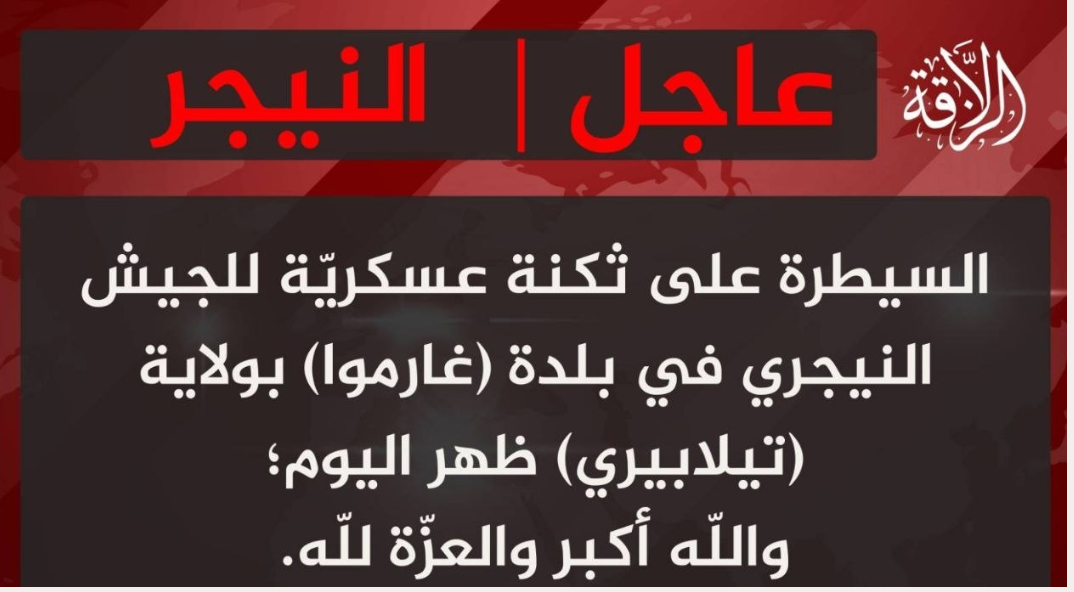
With the Eid al-Adha celebrations just days away, Bamako residents are grappling with the harsh realities of a crippling jihadist blockade that has choked off the city’s lifelines. Fighters from the Jama’at Nusrat al-Islam wal-Muslimin (JNIM), an al-Qaeda-linked Sahelian group, have systematically severed key supply routes into Mali’s capital, cutting off livestock, food staples, and fuel shipments. What was once a predictable seasonal ritual now unfolds amid widespread deprivation, reshaping how families prepare for the continent’s most sacred religious observance.
Jihadist blockade tightens grip on Bamako’s supply arteries
The JNIM’s campaign has intensified in recent weeks, targeting commercial convoys traveling from Bamako’s southern and western hinterlands as well as cross-border routes to Côte d’Ivoire, Senegal, and Mauritania. Dozens of trucks have been torched along the capital’s main arteries, leaving transporters and merchants hesitant to venture out without military escorts. While Malian armed forces provide protection for select priority shipments, the frequency of deliveries has plummeted, leaving markets sparse and prices soaring.
This economic encirclement marks a strategic shift for the JNIM, which has historically operated in rural strongholds across central and northern Mali. By striking at Bamako’s logistics networks, the group directly undermines urban livelihoods and challenges the legitimacy of the transition government, which struggles to uphold basic freedoms of movement and trade.
Sacrificial lambs: a luxury few can afford
Bamako’s livestock markets tell a stark story. Pens that would normally teem with animals ahead of Eid now stand nearly empty, as herders from the central Sahel, Kayes, and Koulikoro regions avoid the perilous journey. The scarcity has driven prices to unprecedented levels, pricing the sacrificial lamb beyond the reach of countless households. Many residents are turning to informal credit or pooling resources with neighbors just to fulfill religious obligations.
The ripple effects extend far beyond livestock. Essential goods such as cooking oil, sugar, and traditional Eid spices have also surged in cost, compounding the strain on already fragile household budgets. Years of regional sanctions, reduced Western aid, and reallocation of funds toward military priorities have eroded purchasing power across Bamako’s working-class neighborhoods. Families are coping by scaling back purchases, sharing costs, or skipping non-essential festive items altogether.
Power cuts and daily struggles intensify
Compounding the food crisis is a worsening electricity shortage. The national power utility, Énergie du Mali (EDM-SA), faces chronic fuel shortages and an aging infrastructure, leading to prolonged blackouts that can stretch for half a day. These disruptions complicate meat preservation after the sacrifice, disrupt small local businesses, and strain social cohesion at a time when families traditionally gather to share meals and celebrate.
Fuel, primarily imported via corridors from Côte d’Ivoire and Senegal, has become a scarce commodity. Parallel markets see steep price hikes, gas stations face hours-long lines, and shortages cascade through the economy—affecting public transport, deliveries, and even hospital generators. Authorities, wary of public unrest, have issued repeated assurances but have yet to resolve the bottlenecks.
Eid al-Adha tests Mali’s transitional leadership
For Mali’s transitional government, the upcoming Eid al-Adha presents a critical test of authority and resilience. Ensuring even the most vital import routes remain open has become a matter of national sovereignty and social stability. Regional observers highlight how the JNIM’s tactics mirror strategies seen in neighboring Burkina Faso, where secondary cities like Djibo have endured similar blockades for months.
This year’s celebration will unfold under a cloud of restraint, devoid of the usual festive energy. Beyond its religious significance, Eid al-Adha 2026 will serve as a barometer of Bamako’s ability to withstand asymmetric warfare—one measured in empty market stalls and fuel queues rather than fireworks and fanfare.