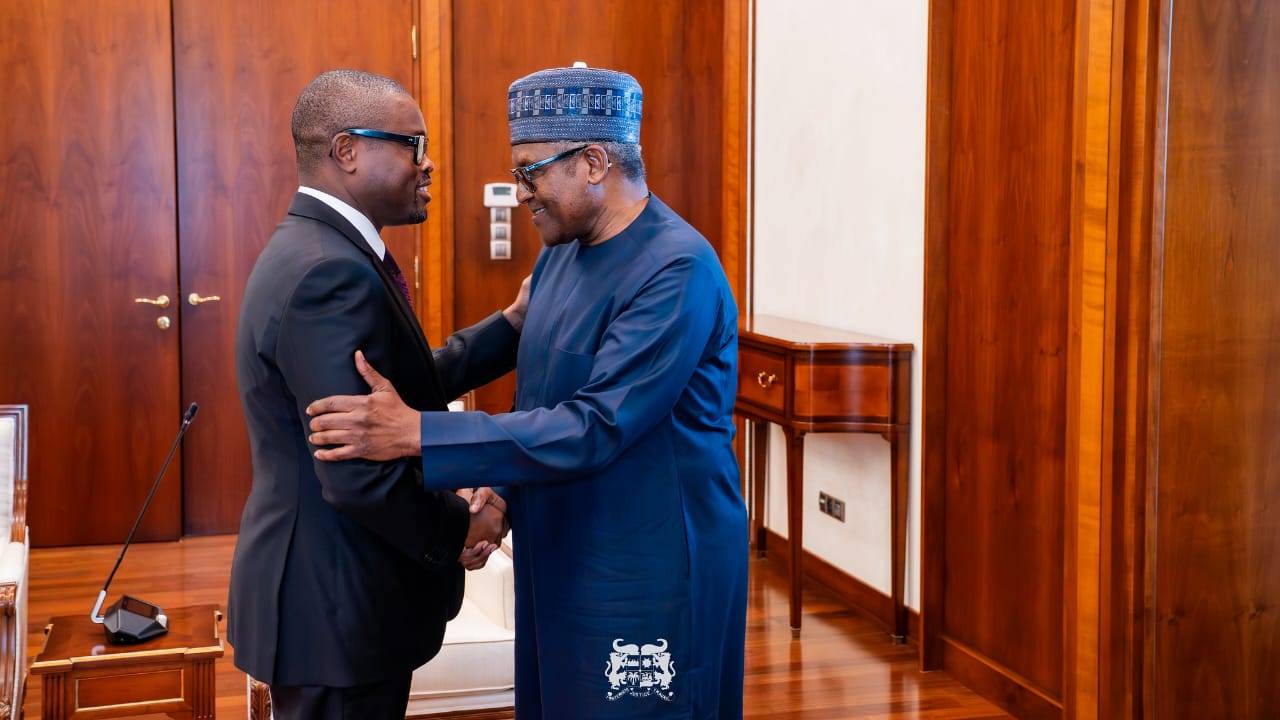
In a landmark diplomatic engagement on 28 July 2026, Beninese President Romuald Wadagni welcomed Africa’s wealthiest entrepreneur, Aliko Dangote, to the Palais de la Marina in Cotonou. The high-stakes meeting signals a new chapter in West African economic diplomacy, focusing on stronger bilateral ties, massive investment inflows, and strategic industrial partnerships between Benin and Nigeria.
Cotonou’s presidential corridors buzz with economic ambition
Tuesday’s meeting at the heart of Benin’s political power was not just another diplomatic formality. Against a backdrop of growing regional economic challenges, President Wadagni hosted one of the continent’s most influential business leaders. The handshake between the two figures underlines a shared commitment to deepen economic integration and accelerate trade flows between Benin and Nigeria.
For President Wadagni, a respected economist known for his prudent fiscal management and development-focused policies, welcoming Dangote reflects a strategic shift toward industrial-led growth. The presidency’s openness to private-sector collaboration demonstrates Benin’s pivot from traditional governance to proactive economic diplomacy.
Dangote Group’s African industrial footprint reaches Benin’s doorstep
Aliko Dangote, founder and chairman of the Dangote Group, has built a diversified conglomerate spanning cement, sugar, food processing, logistics, and Africa’s largest oil refinery in Nigeria. For Dangote, Benin is more than a neighboring country—it is a strategic gateway to West Africa’s hinterland. The nation’s bustling port of Cotonou serves as a vital trade corridor, connecting landlocked Sahelian markets to global supply chains.
During the meeting, Dangote reaffirmed his interest in Benin’s economic potential. His vision centers on securing reliable supply chains, expanding regional distribution networks, and launching high-impact projects that benefit both Benin and neighboring inland countries.
“West Africa’s growth potential multiplies when we align industrial capacity with forward-thinking national policies,” stated a senior advisor close to Dangote after the meeting.
What Benin stands to gain from deeper collaboration
The economic dividends of this meeting extend far beyond symbolic gestures. Benin could unlock significant benefits across multiple sectors.
Surging foreign direct investment inflows
New or expanded projects led by the Dangote Group would inject fresh capital into Benin’s economy. Whether through affordable construction materials, modern storage facilities, or industrial hubs, every investment strengthens the country’s productive base and bolsters economic resilience.
Youth employment and skills upgrading
Major industrial ventures naturally create thousands of direct and indirect jobs, particularly for young Beninese workers. More than just employment numbers, the collaboration promises knowledge transfer—modern technical skills, management practices, and operational efficiency—that will elevate the local workforce for years to come.
Boosting the Port of Cotonou and logistics networks
Benin’s Port Autonome de Cotonou is the nation’s economic lifeline. A closer partnership with Dangote’s logistics and distribution networks could increase cargo volumes, streamline transport corridors, and enhance fiscal revenue through customs and port fees. This would directly support public finances and infrastructure modernization.
Enhanced energy security and agricultural inputs
With the Dangote Refinery now operational in Nigeria, Benin gains preferential access to refined petroleum products and petrochemical derivatives, including fertilizers critical for boosting agricultural output. This reduces vulnerability to volatile global oil prices and strengthens food security across the country.
From rivalry to partnership: A Benin-Nigeria economic axis takes shape
Historically, trade between Benin and Nigeria has been volatile, marked by sudden border closures and regulatory uncertainty. The meeting between President Wadagni and Aliko Dangote signals a decisive move toward normalization and long-term economic alignment.
By engaging directly with Nigeria’s private sector giants, Benin is shifting from a reactive stance to a proactive strategy. The goal is clear: position Cotonou as an indispensable logistics, financial, and services hub for Nigerian industries. This realignment transforms what was once seen as competition into a complementary partnership—one where Benin’s infrastructure and stability benefit Nigerian businesses, while Nigeria’s industrial scale powers Benin’s growth.
This new dynamic also presents an opportunity for Benin to formalize cross-border trade, reducing informal smuggling and increasing official customs revenues. Such reforms would strengthen state resources and improve economic governance across the border.
A turning point for Benin’s economic future
The July 28 meeting marks a pivotal moment in President Wadagni’s economic agenda. By welcoming Aliko Dangote to the presidency, he has laid the foundation for transformative industrial and financial partnerships that could reshape Benin’s economic landscape.
While formal agreements and operational roadmaps are still being developed, the intent is unambiguous: turn Benin into a magnet for large-scale investments and convert its geographical proximity to Nigeria into a national prosperity engine. The coming weeks will reveal the first tangible outcomes of this historic dialogue.