The Benin government has taken a historic step to protect its citizens by immediately suspending all labor migration to Kuwait, the United Arab Emirates, and Bahrain. This decisive move halts an exploitative system that for years shipped vulnerable Beninese workers abroad with little oversight, leaving them at risk of abuse, unsafe labor conditions, and modern forms of servitude.
Breaking the chains of unregulated labor trafficking
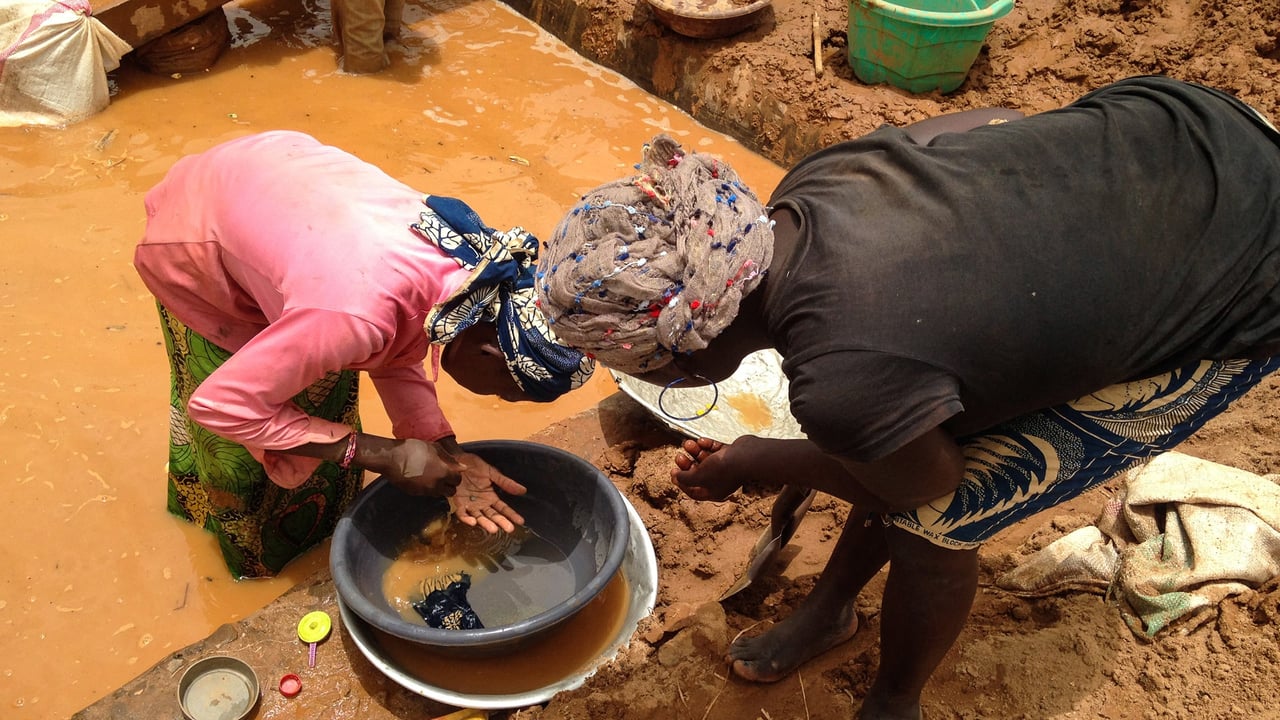
For too long, the promise of jobs in the Gulf masked a grim reality. Young Beninese workers were often subjected to passport confiscation, unpaid labor, hazardous working environments, and physical or psychological abuse. The informal networks fueling this system profited from human desperation, with recruitment agents and intermediaries operating without accountability.
Now, Benin is cutting off the supply to this exploitative pipeline. The government has not only halted the deployment of workers but also frozen critical administrative processes at home—including the legalization of civil documents and judicial clearance certificates—thus dismantling the infrastructure that let these shadow networks thrive.
A structural shift in migration policy
This isn’t just a temporary freeze—it’s part of a sweeping reform to redefine how Benin manages overseas labor. A sovereign nation cannot allow its people to be treated as disposable labor, subjected to predatory contracts in jurisdictions where foreign workers’ rights are routinely violated. This policy sends a clear message: the Beninese state will no longer tolerate the commodification of its workforce.
The new framework will mandate robust legal safeguards, strict diplomatic oversight, and ironclad guarantees that worker safety is prioritized before any resumption of migration flows to the Gulf. No worker will be sent abroad without full protection under international labor standards and bilateral agreements.
Setting a new global standard for migration governance
Benin’s bold action resets the conversation on labor migration between Africa and the Gulf. It forces host countries and international recruitment networks to acknowledge that reckless labor export practices will no longer be met with silence or complicity. This stance reflects a fundamental principle: a nation’s greatness is measured by how it protects its most vulnerable citizens, regardless of where they are working.
The message is unmistakable: Benin will not negotiate away the dignity of its workforce. The decision is both humanitarian and strategic—a refusal to let economic desperation be exploited as a license for abuse.
What comes next for Beninese workers?
With migration routes closed for now, Benin’s labor ministry is preparing a new regime built on transparency, accountability, and safety. Authorities are working with embassies and international bodies to design bilateral labor agreements that enforce fair wages, safe working conditions, and access to legal recourse. In the interim, the government is expanding domestic job creation programs and vocational training to reduce reliance on high-risk overseas employment.
The era of unchecked labor export is over. Benin is choosing dignity over exploitation—and setting an example for the entire region.