A new chapter may soon unfold for Bénin and Niger as both nations edge closer to reopening their shared border, shuttered since mid-2023. After three years of strained relations, recent diplomatic exchanges suggest a thaw is underway.
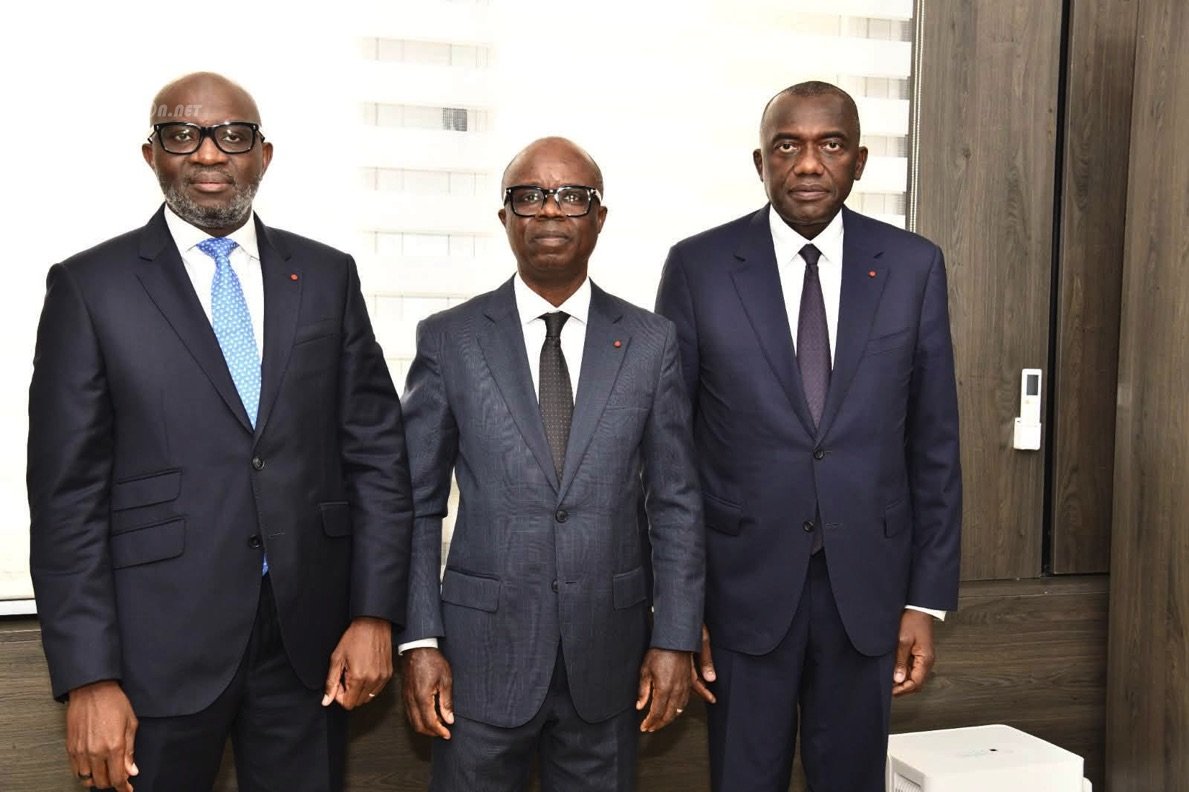
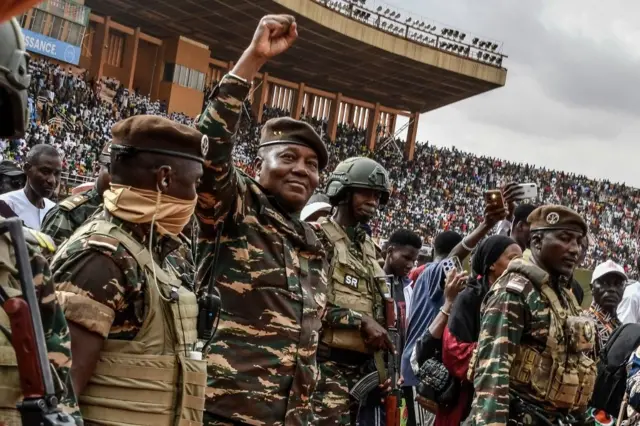
Over the past weekend, high-level delegations from Niamey and Cotonou convened in Cotonou for intensive talks. The meetings, led by General Mohamed Toumba, Niger’s Minister of Interior and Public Security, produced significant breakthroughs on security cooperation, trade facilitation, and unresolved disputes. Both sides agreed to eliminate transit fees, restrict certain goods from entering consumption markets, and revise additional charges that had previously hindered cross-border commerce.
“We have secured our security priorities while laying the groundwork for economic and legal normalization,” stated General Toumba. “This dialogue will generate value for our economies, security for our people, and hope for our youth.”
diplomatic momentum builds after presidential engagement
Bénin’s Minister of Industry and Trade, Oleshegun Adjadi Bakari, described the outcome as a restoration of mutual trust. “After 48 hours of shared dialogue, we are no longer two delegations—we are one, united by a single mission: to rekindle the deep, historic bond between our peoples,” he remarked.
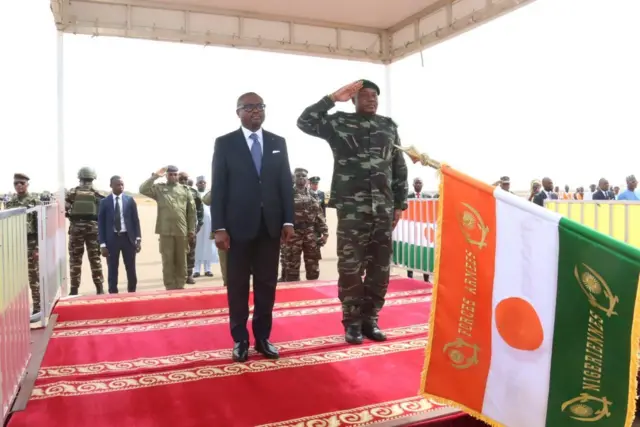
The commitments reached must now be formally endorsed by authorities in both countries before implementation. The discussions follow a landmark visit by President Romuald Wadagni to Niamey in early June, just one week after his inauguration. That meeting marked the first step toward easing tensions that had festered since the 2023 military takeover in Niger.
understanding the roots of a three-year dispute
Relations between Bénin and Niger deteriorated sharply after the July 2023 coup in Niger, which brought General Abdourahmane Tiani to power. The new regime accused the former Beninese leadership and other regional leaders of plotting a military intervention to restore constitutional order under the auspices of ECOWAS. Claims that Cotonou hosted French forces aiming to invade Niger were repeatedly denied by both governments.
Tensions escalated further as the junta criticized Bénin for allegedly supporting armed groups operating in Niger and harboring coup plotters linked to an alleged December 2023 assassination attempt against President Patrice Talon. The dispute also intersected with ECOWAS sanctions imposed after the coup, which included border closures.
economic fallout fuels urgency for resolution
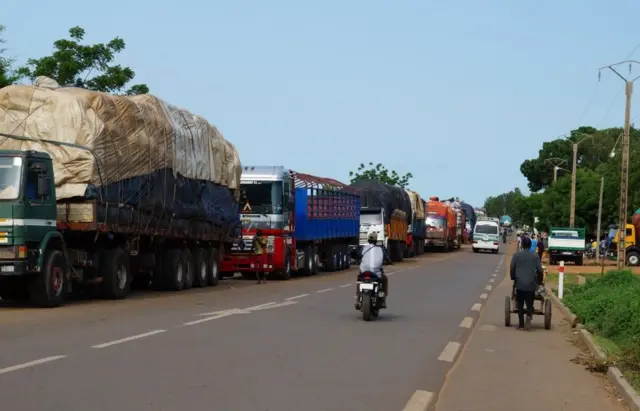
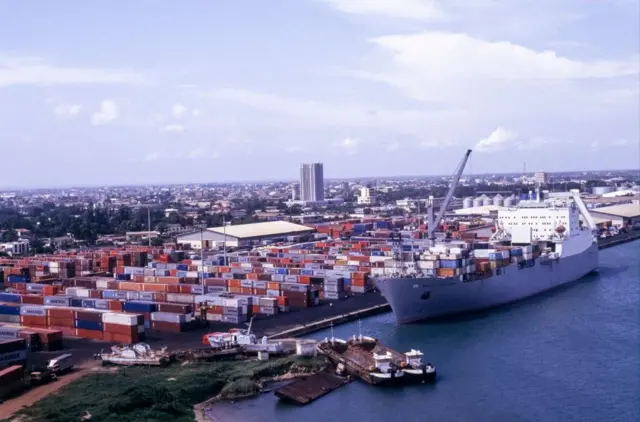
The prolonged closure has inflicted severe damage on both economies. Cotonou’s port, a vital gateway for landlocked Niger, saw a dramatic decline in activity as trade routes shifted to Lomé. Truck drivers and logistics operators on both sides have borne the brunt of the disruption.
“It’s the people who are suffering,” said Ibrahim Abou Koura, a Nigerian transporter based in Cotonou. His once-busy warehouse, which handled goods destined for Nigerian cities, now stands nearly empty. “The corridor was once the safest and most profitable route for transporters and businesses,” he added, referring to the Niger-Bénin route as a critical artery for regional commerce.
The closure forced transporters to reroute through Burkina Faso, exposing them to heightened risks from jihadist attacks. For a country like Niger, heavily reliant on maritime imports via Cotonou, the impact has been particularly acute. Delays in fuel shipments via the 2,000-kilometer pipeline linking Niger’s oil fields to Bénin have further strained supply chains.
Gamatie Mahamadou, Secretary-General of Nigerian truck drivers, emphasized the economic toll: “Communities on both sides of the border cannot trade freely or access essential goods, especially food staples.”
With both nations eager to restore stability and economic vitality, the latest diplomatic progress offers a glimmer of hope. The reopening of the border would not only ease trade but also strengthen regional security collaboration against shared threats.
As discussions advance toward final approval, leaders on both sides are underscoring the importance of dialogue as the pathway to lasting peace and prosperity.