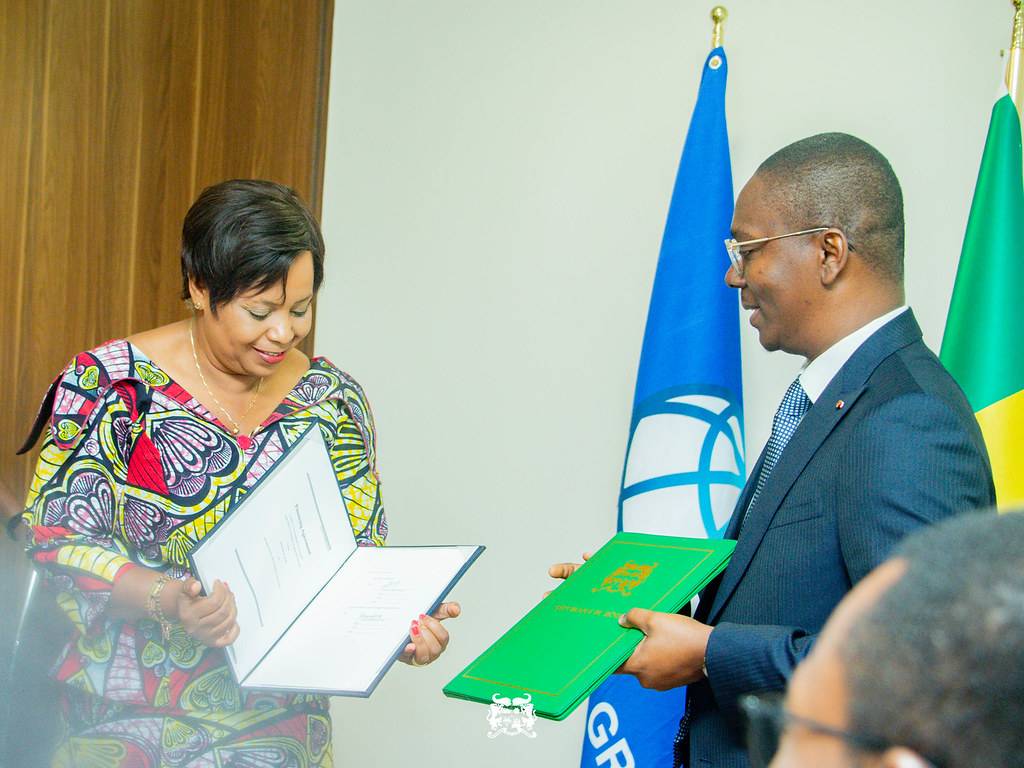
Cotonou is accelerating its structural transformation with a landmark financial agreement that promises to reshape the country’s economic landscape. On Friday, July 17, 2026, the Beninese government and the World Bank finalized two major financing deals totaling $320 million USD, signaling a decisive shift toward sustainable growth and social development.
Dogo-Bis Dam: A Catalyst for Energy and Agricultural Renaissance
The first agreement, valued at $150 million USD, is entirely dedicated to the construction of the Dogo-Bis multi-purpose hydro dam in the Ouémé Valley. This ambitious project is designed to serve as a dual-purpose engine for Benin’s economy, addressing long-standing challenges in both energy and agriculture.
On the energy front, the dam will significantly boost national electricity production, reducing the country’s reliance on costly energy imports from neighboring nations—a persistent vulnerability for local industries. As highlighted by Édouard Dahome, Minister of Energy, Water, and Mines, the project will ensure a stable and competitively priced power supply, directly benefiting the Ouémé Valley’s industrial and agricultural sectors.
Beyond electricity, the dam’s impact on water security will unlock the region’s untapped agricultural potential. Historically constrained by unreliable water access and limited processing infrastructure, the Ouémé Valley is poised to become a thriving agro-industrial hub. Reliable irrigation will stabilize year-round agricultural yields, while improved water management will attract private investors eager to process and export high-value crops.
ALAFIA I Program: Investing in Human Capital for Long-Term Prosperity
The second financing package, worth $170 million USD, is allocated to the ALAFIA I Program, a bold initiative focused on nurturing Benin’s most precious resource: its people. The program prioritizes early childhood development, maternal health, and nutrition as cornerstones of economic resilience.
By prioritizing preventive care and integrated health services, the government aims to break the cycle of malnutrition and poor health that has long hindered productivity and social mobility. The economic rationale is clear: investments in early childhood yield the highest returns of any public policy, translating into reduced healthcare costs, higher school enrollment rates, and a more skilled workforce in the decades to come.
ALAFIA I is not just about immediate health outcomes; it is a strategic move to build a generation capable of driving Benin’s economic transformation. A well-nourished and healthy population forms the backbone of a dynamic, self-sustaining economy—one that is less dependent on external aid and better equipped to compete globally.
A Synergistic Blueprint for National Development
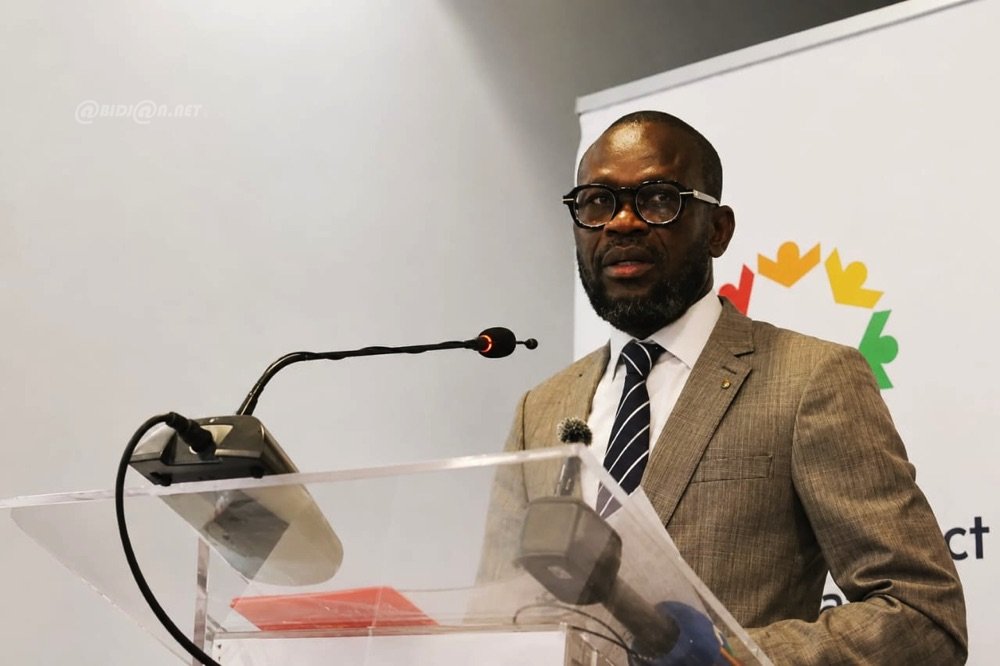
The most compelling aspect of these agreements lies in their interconnected vision. As noted by Hugues Oscar Lokossou, Minister Delegate for External Resource Mobilization and Debt Management, the projects are designed to reinforce one another, creating a multiplier effect for national progress.
The Ouémé Valley’s agricultural and industrial growth, fueled by the Dogo-Bis dam, will directly support the goals of ALAFIA I by reducing food import costs and freeing up resources for social investment. Meanwhile, a healthier and better-educated population will supply the skilled labor needed to sustain industrial expansion. This virtuous cycle ensures that economic gains are distributed across urban and rural communities alike, fostering inclusive development.
Paving the Way for a Resilient, Diversified Economy
With this $320 million injection, the World Bank has reaffirmed its confidence in Benin’s economic governance and stability, positioning Cotonou as a regional leader in sustainable development. In an era marked by global uncertainties, Benin’s strategic focus on energy autonomy, agricultural modernization, and human capital investment sets a powerful example for its peers.
The country’s ambition is bold: transitioning from a transit-based and subsistence economy to a semi-industrial, diversified, and resilient one. By emphasizing sustainable infrastructure and inclusive growth—particularly for women and children in rural areas—Benin is crafting a development model that leaves no one behind. The July 17, 2026, agreements are not merely financial transactions; they are foundational steps toward a future where economic progress and social well-being go hand in hand.
The real test, however, lies in execution. As citizens and economists watch closely, the success of these initiatives will hinge on efficient implementation, transparent governance, and a steadfast commitment to turning vision into reality.