Breaking through the global tourism frontier: Benin’s decisive leap forward
West Africa’s smallest coastal nation has just rewritten the rules of continental tourism. With a meteoric rise to the 19th spot in global tourism rankings, Benin has emerged as a bold new player on the world stage, leaving traditional powerhouses scrambling to keep pace. This isn’t just progress—it’s a seismic shift in how African destinations are perceived and valued globally.
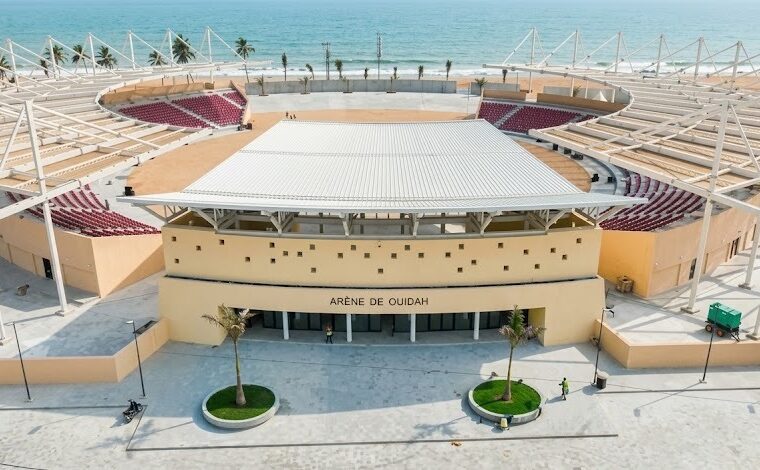
While other African nations grapple with stagnation or persistent instability, Benin has executed a masterclass in strategic development. From the majestic royal palaces of Abomey to the storied Slave Route in Ouidah, the country has transformed its rich cultural heritage into an irresistible magnet for international travelers. Behind this success lies a meticulous blueprint: robust infrastructure upgrades, world-class hospitality ventures, and an unwavering commitment to authenticity.
A billion-dollar gamble that’s paying off: the 600 billion FCFA strategy
This remarkable ascent is no accident—it’s the result of deliberate, high-stakes investment. The government’s ambitious 600 billion FCFA (approximately $1 billion) allocation through 2027 is designed to cement Benin’s position as West Africa’s premier tourism destination and propel the sector to account for 13% of GDP by 2030.
The funds are being channeled into three critical pillars:
- Logistical rejuvenation: Modernized airports and streamlined transport networks to ensure seamless arrivals for global visitors.
- Local economic empowerment: Upskilling small businesses in hospitality, culinary arts, and tour guiding to deliver premium visitor experiences.
- Youth employment revolution: The creation of thousands of direct jobs, offering young Beninese unprecedented opportunities in a thriving new industry.
From follower to leader: the new African tourism paradigm
Benin’s triumph is more than a statistical victory—it’s a blueprint for how African nations can leapfrog competition. While giants like South Africa and Morocco continue to dominate headlines, Benin has proven that innovation and authenticity can outshine sheer scale. The country’s approach combines:
- Strategic cultural storytelling: Turning historical sites into immersive experiences that resonate with diverse global audiences.
- Sustainable infrastructure: Balancing modernization with environmental responsibility to preserve natural and cultural assets.
- Data-driven decision-making: Using tourism analytics to refine offerings and maximize impact.
This isn’t just a moment of pride for Benin—it’s a wake-up call for the entire continent. The message is clear: the future of African tourism won’t be dictated by the usual suspects. It will be shaped by those bold enough to reimagine their potential.
What’s next for Benin’s tourism juggernaut?
With the global spotlight now firmly on Cotonou and Porto-Novo, the coming years will test Benin’s ability to sustain momentum. The government’s roadmap includes:
- Expanding digital nomad-friendly infrastructure to tap into the remote work tourism boom.
- Launching targeted international marketing campaigns to diversify source markets beyond Europe.
- Strengthening regional partnerships to create seamless travel experiences across West Africa.
One thing is certain: Benin has already redefined what’s possible for an African nation in the global tourism arena. The question now is whether others will follow its lead—or be left playing catch-up.