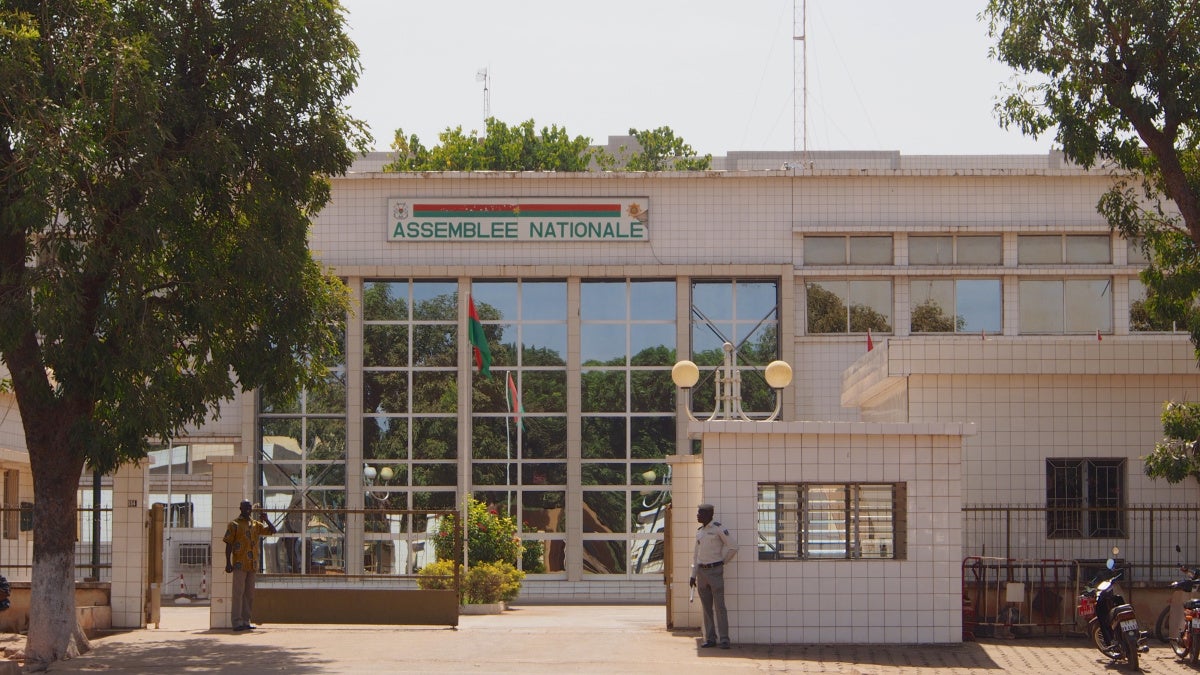
On September 1st, Burkina Faso’s transitional legislative assembly passed a controversial bill making consensual same-sex relationships a criminal offense, dealing a severe blow to LGBT rights in the country. Under this new legislation, individuals convicted of homosexuality face up to five years in prison alongside hefty fines, marking a dramatic shift in the nation’s legal landscape.
Legal and human rights implications
The new law not only violates the fundamental rights to privacy and non-discrimination for LGBT individuals but also deepens concerns over shrinking civic freedoms in Burkina Faso. This regressive measure comes amid a broader crackdown by the military junta against political dissent, independent media, and peaceful protest.
Historically, Burkina Faso had no colonial-era sodomy laws, distinguishing it from many African nations where such statutes were inherited from former occupying powers. The absence of prior criminalization highlights the unprecedented nature of this legislative shift.
Unanimous adoption in controversial family code
Embedded within the broader Family Code, the anti-LGBT provision was approved unanimously by all 71 assembly members. The law targets what it terms “behaviors likely to promote homosexual practices and related acts”, imposing prison sentences and financial penalties on those found in violation.
Burkina Faso’s Minister of Justice and Human Rights, Edasso Rodrigue Bayala, defended the law as a reflection of the “deep aspirations of our society” and an adherence to “cultural values”. However, human rights advocates argue that this justification undermines international commitments the country has made.
Conflict with international human rights standards
This legislation directly contravenes Burkina Faso’s obligations under the African Charter on Human and Peoples’ Rights and the International Covenant on Civil and Political Rights. Recent legal developments in neighboring countries such as Botswana, Mauritius, and Namibia have struck down similar laws, affirming that criminalizing consensual same-sex relations violates privacy and equality rights.
Beyond legal violations, anti-LGBT laws perpetuate violence and systemic abuse against sexual minorities. The African Commission on Human and Peoples’ Rights has long urged African Union member states to “end acts of violence and abuse” targeting individuals based on sexual orientation or gender identity.
Call for legislative revision
President Ibrahim Traoré faces a critical decision: signing the Family Code into law or returning it to the assembly for meaningful revision. A revised version must prioritize the rights to privacy and non-discrimination for all Burkinabè citizens, regardless of sexual orientation or gender identity.