Under the banner of reclaiming national sovereignty, the transitional government in Burkina Faso, led by Captain Ibrahim Traoré, is navigating a complex geopolitical pivot. While the rhetoric of breaking colonial ties with France resonates with a youth population eager for change, the deepening alliance with the Russian Federation suggests a different reality. Instead of achieving true autonomy, the nation appears to be transitioning from one form of external reliance to another, raising questions about the future of its economic and military independence.
The economic stakes of gold and resource management
The economic implications of this shift are particularly evident in the mining sector. Gold, which accounts for nearly 80% of the country’s export revenue, remains the backbone of the national economy. Recent discussions regarding the management and security of these resources highlight a growing vulnerability within the state apparatus. By entering into lopsided agreements where foreign entities exert significant influence over the extraction and storage of raw materials, Ouagadougou may be compromising its financial stability.
True sovereignty is built on the internal capacity to manage national wealth, rather than outsourcing control to a different global power under the guise of protection. When the cost of securing the subsoil becomes a heavy financial burden paid to Moscow, the relationship moves away from mutual cooperation toward a form of strategic redevance.
Security outsourcing and its high costs
On the security front, the transition to Russian military assistance has not yet yielded the definitive stability many hoped for. The deployment of instructors and paramilitary forces under the Africa Corps banner was intended to rapidly neutralize the threat from armed terrorist groups. However, the financial cost of this military support is placing an immense strain on the national budget.
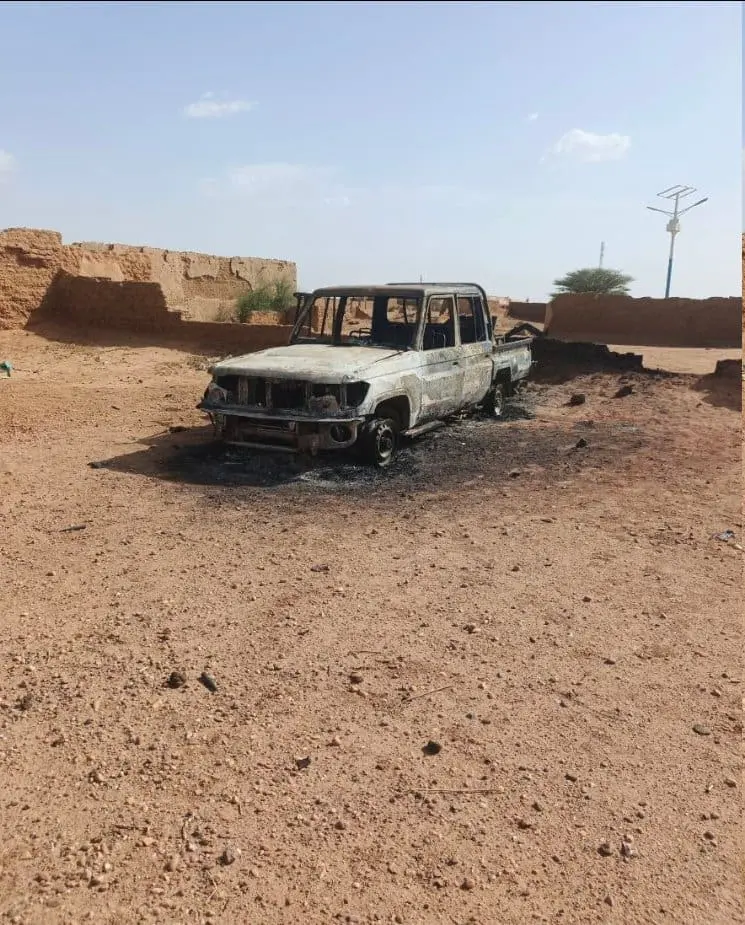
Despite this significant investment, the Defense and Security Forces (FDS) continue to face waves of intense violence. By linking its security future so closely to the geopolitical interests of the Kremlin, Burkina Faso finds itself in a position of potential subordination. This dependency leaves Ouagadougou with limited leverage should its partner decide to alter its priorities or increase its demands.
From one influence to another
The ideological shift from the old Françafrique model to a new “Russafrique” is increasingly scrutinized. Critics argue that replacing one external guardian with another does not constitute a genuine act of liberation. Russia’s engagement in the region is often viewed through the lens of its own strategic needs—securing resources and building diplomatic allies to counter Western sanctions—rather than pure altruism.
“Replacing one form of tutelage with another is not an act of liberation; it is an admission of limited options,” observers note. By moving toward Moscow to escape Paris, the nation risks trading one set of constraints for another.
Diplomatic isolation on the horizon
Finally, this exclusive focus on a single international partner is isolating Burkina Faso on both the regional and global stages. By distancing itself from traditional financial institutions and creating friction with neighboring states, the transitional government is narrowing its diplomatic field of play. A truly sovereign state typically seeks to balance multiple partnerships to maintain its freedom of maneuver.
For the citizens of Burkina Faso, the long-term consequences of these choices remain to be seen. Real independence is defined by a country’s ability to chart its own course without requiring approval from any foreign capital. By leveraging its primary resources and outsourcing core security functions, the current administration may be impacting the country’s autonomy for years to come.