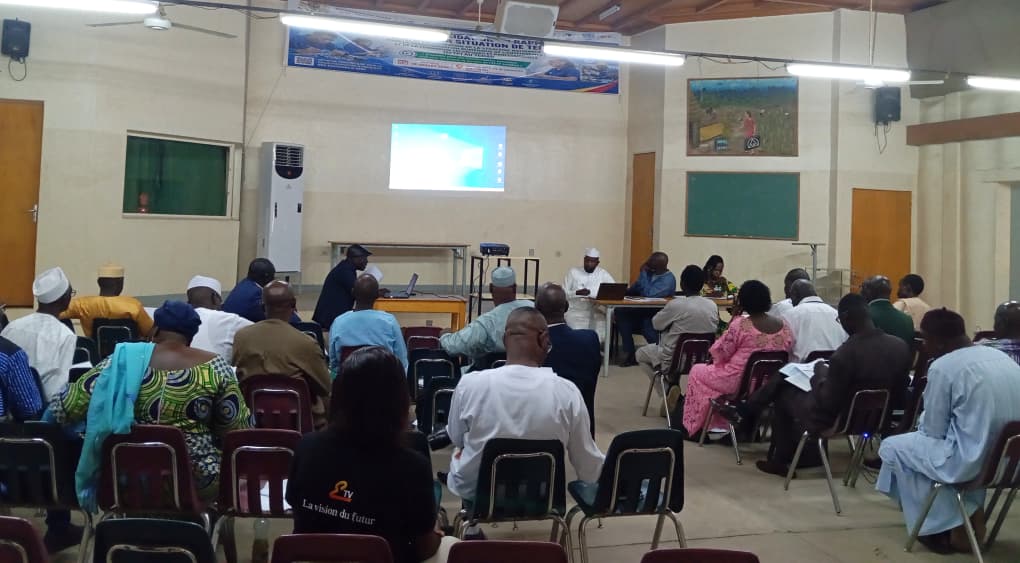
The United Nations Economic Commission for Africa (UNECA), through its Central Africa sub-regional office and the African Centre for Statistics, is providing technical support to Cameroon as it develops its energy accounts. In collaboration with the National Institute of Statistics (INS) and the World Bank under the HISWACA project, an intensive workshop is underway in Douala from June 22 to 26, 2026, to map out the way forward for this initiative.
This workshop brings together government bodies, energy sector specialists, and financial partners to jointly assess available data and define the technical, methodological, and institutional requirements needed to compile energy accounts in line with the System of Environmental-Economic Accounting (SEEA). The SEEA is the globally recognized statistical framework adopted by the United Nations to measure the interactions between economic activity and environmental impacts.
Energy accounts serve as a powerful statistical tool, linking data on energy extraction, production, processing, consumption, and trade with the country’s economic activities and environmental emissions. This integrated approach provides policymakers with a clearer picture of how energy flows through the economy, highlights key consumption sectors, and reveals the environmental footprint of energy use. It also helps answer critical questions: How much energy is produced? Which industries consume the most? What transformations does energy undergo before use? How does energy contribute to economic growth? And how do energy policies affect jobs, GDP, and greenhouse gas emissions?
In today’s context of rising energy demand, growing climate pressures, and heightened energy security concerns, reliable and comprehensive energy statistics are more vital than ever. These data-driven insights are essential for designing evidence-based policies and guiding investments that accelerate the country’s energy transition.
The development of energy accounts is fully aligned with Cameroon’s Vision 2035 and the National Development Strategy 2020–2030 (SND30), both of which prioritize structural transformation, sustainable industrialization, and energy transition as key pillars of national progress.
Beyond policy planning, energy accounts will also support the monitoring of progress toward the Sustainable Development Goals (SDGs), particularly those promoting affordable and clean energy, climate action, and sustainable resource management.
The Douala workshop marks a pivotal step in the energy accounting process. Its objectives include identifying user needs, evaluating existing data, pinpointing gaps, and establishing an operational roadmap for compiling future energy accounts.
This initiative is part of the National Plan for Environmental and Economic Accounting (PNDEAE), adopted by the Cameroonian government in 2023. The PNDEAE identifies energy accounting as a priority area for implementing integrated environmental and economic accounting across the country.
Through this program, the UNECA is reinforcing Cameroon’s national statistical capabilities and advancing environmental and economic accounting standards. The support includes international methodological guidance, specialized expertise—including input from the UK’s Office for National Statistics—and ongoing technical assistance throughout the compilation process.