Can Senegal’s BRVM bond debut balance debt management with investor confidence?
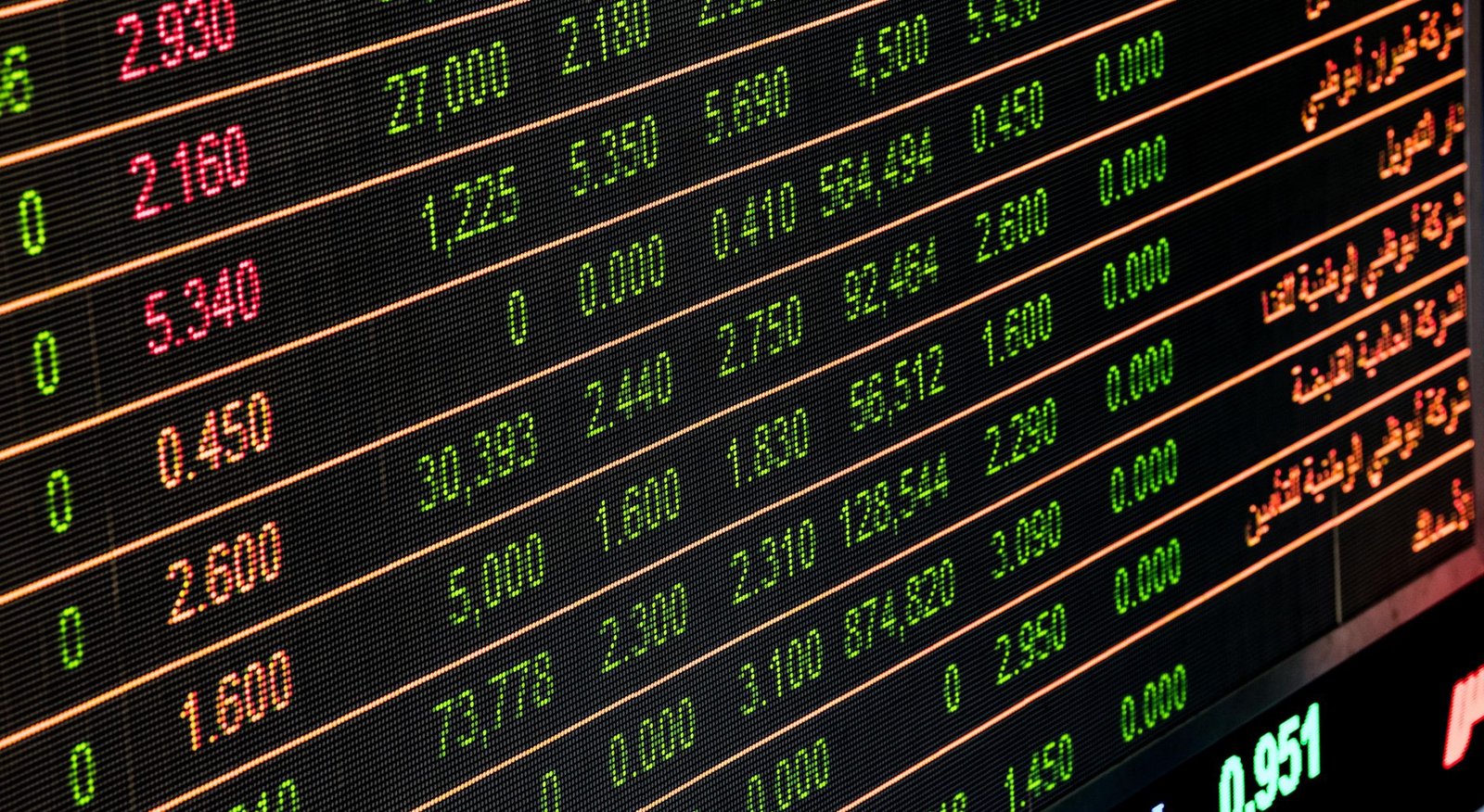
Senegal has taken a decisive step in reshaping its sovereign debt strategy by successfully listing four bond issuances totaling 305 billion West African CFA francs (approximately €465 million) on the regional stock exchange, the Bourse Régionale des Valeurs Mobilières (BRVM). This landmark transaction, orchestrated by the Senegalese Treasury, marks the first time the country has introduced sovereign debt directly into the BRVM’s bond segment—a move designed to enhance visibility and liquidity for investors across the West African Economic and Monetary Union (UEMOA).
Why this bond debut could redefine Senegal’s debt market strategy
The simultaneous listing of four bond lines is more than a procedural milestone; it represents a strategic shift in how Senegal structures and manages its public debt. Traditionally, the country’s sovereign bond issuances were conducted through auctions organized by the UMOA-Titres agency without subsequent quotation on a secondary market. By securing a listing on the BRVM, Senegal introduces a new layer of transparency and market accessibility for institutional investors—including insurance firms, pension funds, and regional banks—who require tradable, standardized debt instruments that comply with stringent regulatory requirements.
The 305 billion CFA franc transaction, though substantial, comes at a challenging time for Senegal’s public finances. Following the 2024 public finance audit, the country faced upward revisions in its debt-to-GDP ratio, raising concerns among credit rating agencies. Yet, the successful debut on the BRVM sends a strong signal to regional markets, demonstrating the government’s ability to mobilize significant capital even in a constrained fiscal environment. This outcome could help restore investor confidence amid ongoing negotiations with international financial institutions.
How the BRVM is becoming the backbone of West African sovereign debt markets
The BRVM has long sought to deepen its bond segment, which has historically been dominated by Côte d’Ivoire. With a capitalization exceeding several trillion CFA francs, the exchange has intensified efforts to attract both public and corporate bond issuances from all eight UEMOA member states. The Senegalese debut adds critical volume and diversification to the BRVM’s bond market, reinforcing its role as a central hub for sovereign financing in West Africa.
For investors, the BRVM offers a unified, transparent platform where sovereign bonds from multiple countries can be traded with greater ease of valuation and refinancing options. The standardized framework is particularly appealing to institutional players, who benefit from eligibility for refinancing through the Central Bank of West African States (BCEAO). As more countries like Senegal adopt this model, the BRVM is poised to standardize sovereign debt practices across the region, fostering deeper integration and market resilience.
The trade-offs: balancing debt cost, liquidity, and fiscal sustainability
While the BRVM listing offers long-term benefits in terms of liquidity and investor diversification, it also introduces new considerations for Senegal. Over recent months, the yield demanded by UEMOA investors on Senegalese debt has risen, reflecting higher perceived risk. Although the liquidity provided by BRVM trading could help compress this premium over time, the sustainability of such issuances will depend on the country’s ability to maintain strong fiscal discipline and revenue generation.
The government’s ongoing dialogue with the International Monetary Fund (IMF) remains contingent on demonstrating a clear and credible path to fiscal consolidation. In this context, each successful market operation—like the BRVM debut—carries both economic and political weight. It not only secures vital funding but also reassures partners that Senegal is committed to modernizing its debt management framework in line with regional best practices.
What’s next for West African sovereign debt and the BRVM’s role?
The Senegalese bond listing is more than a one-off achievement; it signals a broader trend across the UEMOA region. Countries such as Côte d’Ivoire, Benin, and Togo have already adopted similar approaches, listing sovereign bonds on the BRVM to access a wider investor base and enhance liquidity. This convergence toward a regional bond market is laying the groundwork for greater financial integration—a goal the UEMOA has pursued for decades.
As more West African nations turn to the BRVM for sovereign financing, the exchange’s role will evolve from a regional stock market to a key driver of financial integration. For Senegal, the challenge now is to leverage this momentum by maintaining a balanced issuance calendar, ensuring that new bond listings do not outpace fiscal prudence. If managed wisely, this strategy could transform sovereign debt from a burden into a strategic asset—one that supports long-term growth and regional stability.