Is Benin’s tough road crackdown really making drivers safer or just costing them more?
Is Benin’s tough road crackdown really making drivers safer or just costing them more?
As Benin’s Police républicaine escalates traffic enforcement, drivers face a critical question: are stricter road regulations improving road safety or merely burdening citizens with heavy fines? With over 100 two-wheeler riders and a dozen car drivers already penalized in just 48 hours, the crackdown is reshaping daily commutes and raising concerns about its long-term impact.
Where is the crackdown hitting hardest?
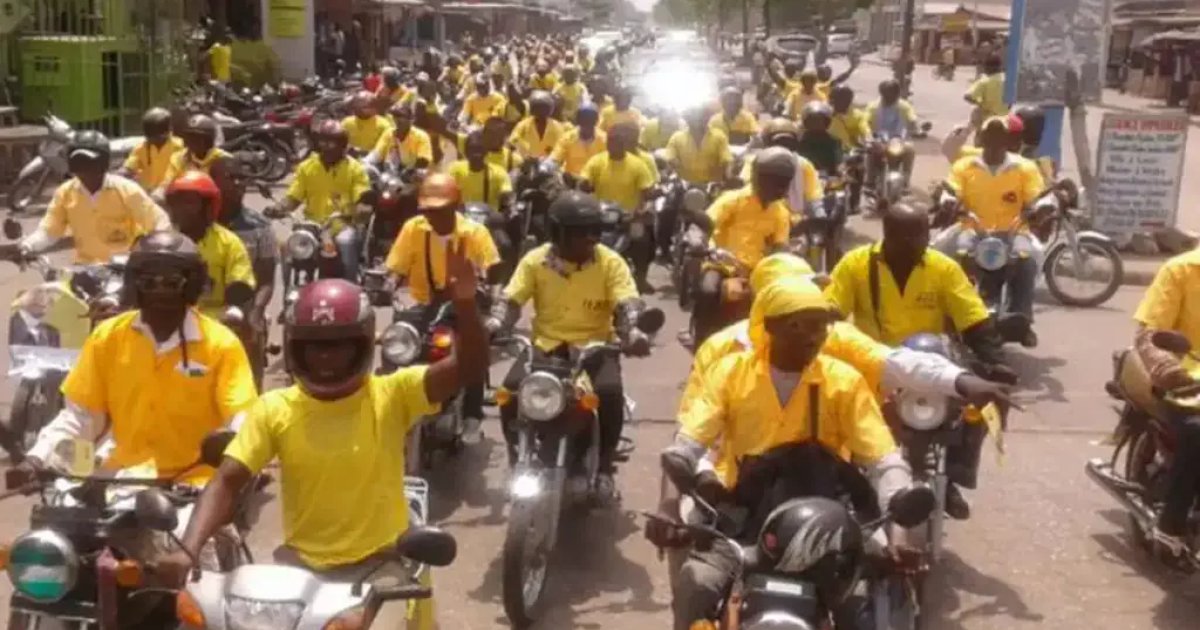
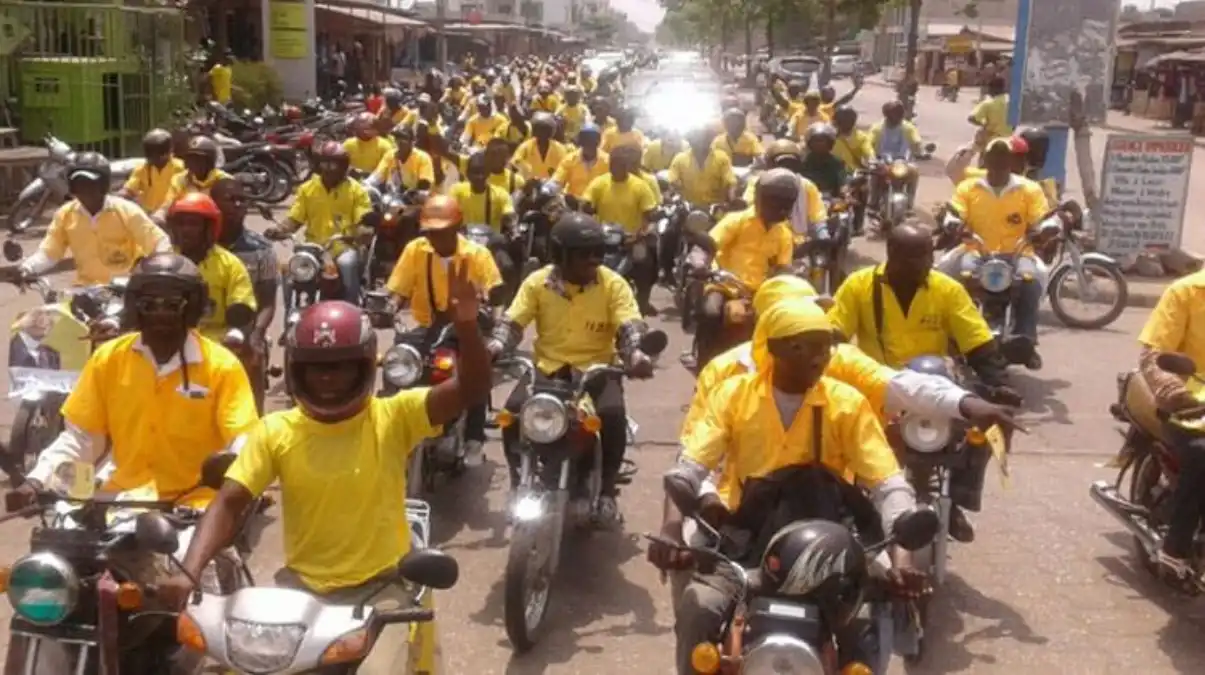
Since September 20, 2026, Benin’s Police républicaine has launched an intensive road safety campaign targeting both motorcyclists and car drivers. In just the first two days, over 100 two-wheeler riders and a dozen drivers were intercepted and penalized across multiple high-traffic zones. The operations intensified on September 22, particularly in the economic hub of Fidjrossè, where more than 40 motorcyclists were stopped within a single hour. Simultaneously, numerous drivers were apprehended along the Marina Boulevard for violations of traffic rules.
The crackdown extends beyond Cotonou, reaching key urban centers such as Abomey-Calavi, Porto-Novo, Sèmè-Podji, Ouidah, Bohicon, and Parakou. This coordinated deployment underscores a nationwide effort to enforce strict compliance with road safety laws.
What are the penalties and why do they matter?
The financial consequences of traffic violations are steep, with fines designed to deter risky behavior. Drivers caught using mobile phones while driving or riding face fines of 20,000 CFA francs. Overloading vehicles incurs a penalty of 10,000 CFA francs, while driving against traffic draws a fine of 6,000 CFA francs. The lack of a protective helmet for motorcyclists is penalized at 5,000 CFA francs. Additionally, police are meticulously monitoring compliance with traffic lights, ensuring that running a red light does not go unpunished.
These penalties aim not only to punish offenders but also to curb dangerous habits that contribute to accidents. By imposing immediate financial consequences, authorities hope to foster a culture of road discipline among motorists and motorcyclists alike.
Is this approach sustainable for drivers and the economy?
The aggressive enforcement raises a pivotal question: at what point do penalties become counterproductive? While the goal is to enhance road safety, the sudden financial burden on drivers—many of whom rely on their vehicles for livelihoods—could strain household budgets and local economies. Small business owners, in particular, may struggle to absorb repeated fines without compromising their operations.
Moreover, there is debate over whether hefty fines alone can lead to lasting behavioral change. Critics argue that without broader educational initiatives and infrastructure improvements, strict enforcement may only provide temporary compliance. As the campaign continues, authorities must balance deterrence with fairness to ensure that road safety improvements are both effective and equitable.
What happens next?
The Police républicaine’s crackdown shows no signs of easing, with plans to maintain high visibility in urban areas and along critical transport corridors. The question now is whether this approach will yield lasting benefits in road safety or simply create new challenges for drivers and communities. As the campaign unfolds, all eyes will be on its long-term impact on accident rates, compliance levels, and public sentiment toward traffic enforcement.