When diplomacy meets the harsh reality of the Sahel
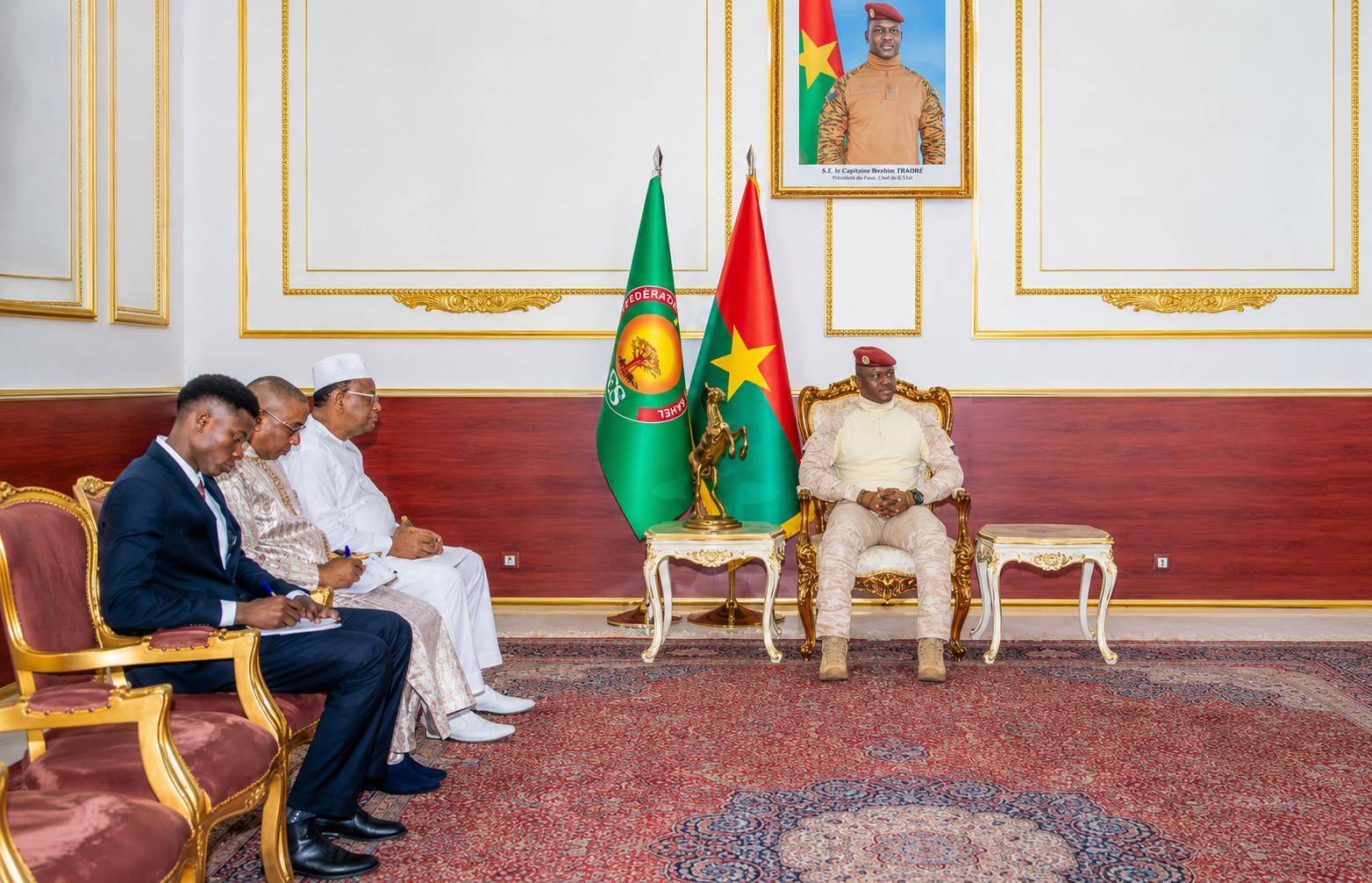
Lansana Kouyaté’s recent mission to Ouagadougou, as the Economic Community of West African States (ECOWAS) mediator for the Alliance of Sahel States (AES), has reignited discussions on regional diplomacy. Standing before Captain Ibrahim Traoré, the envoy championed a « necessary cooperation », emphasizing an inescapable truth: geography and shared humanity cannot be undone by political decrees. While ECOWAS’s pragmatic approach reflects a mature political stance, it collides head-on with deep-seated skepticism—a skepticism rooted in decades of unkept promises by regimes accustomed to disregarding commitments.
Why dialogue matters: pragmatism amid economic chaos
Dismissing ECOWAS’s outstretched hand would be shortsighted. By opting for dialogue over confrontation, the regional bloc demonstrates a commendable political maturity that the Sahel desperately needs.
- Humanitarian safeguards: Over 70% of trade for landlocked Sahel nations—Burkina Faso, Mali, and Niger—flows through ports in coastal ECOWAS countries. Cutting these lifelines abruptly would suffocate populations already grappling with terrorism and economic hardship. ECOWAS’s refusal to penalize civilians for their leaders’ decisions is both wise and necessary.
- The illusion of borders in combating terrorism: Jihadist groups recognize no treaties, be they from AES or ECOWAS. Military efforts cannot succeed without robust cross-border cooperation. Here, ECOWAS plays a vital role in salvaging what remains of regional security coordination.
Yet, this diplomacy of common sense harbors a glaring blind spot: the asymmetry of good faith among negotiators.
The poison of skepticism: a system built on broken promises
While ECOWAS’s intentions may be honorable, optimism often blinds reason. The history of the Sahel—both recent and distant—reveals a pattern: military regimes in AES countries share a history of unfulfilled pledges, whether to the international community or their own people.
The timeline speaks volumes. From Mali to Burkina Faso, military transitions were initially slated to last 18 to 24 months. Today, electoral timelines have been unilaterally discarded, indefinitely postponing a return to constitutional order under the guise of security imperatives.
1. International agreements: a shifting landscape
ECOWAS has learned the hard way. Agreements signed in Bamako or Ouagadougou were later abandoned under the banner of « restored sovereignty ». Regional integration treaties, decades in the making, were dismantled in weeks to appease populist rhetoric. Negotiating « exemplary cooperation » with partners who treat international law as optional is akin to building on quicksand.
2. Broken promises to the people: the social contract shattered
Even more alarming is the betrayal of the Sahel’s own citizens. The AES juntas, once hailed as saviors promising security and state reform, now stand accused of:
- Suspending political parties and stifling civil society.
- Silencing independent media and persecuting dissent under the pretext of « patriotic support ».
- Failing to curb violence despite shifting geopolitical alliances.
In essence, the fundamental duty of any state—to protect its people while upholding their freedoms—is being systematically violated.
Dialogue without deception: the path forward
ECOWAS’s role in maintaining dialogue is justified; preserving economic and technical bridges is a lifeline for the subregion. However, vigilance must remain unwavering. The regional bloc cannot afford to validate fait accompli or lend international legitimacy to regimes that exploit negotiations solely to entrench personal power. Dialogue is essential, but only if ECOWAS demands tangible, binding guarantees. Without this, another round of mediation risks perpetuating a familiar cycle: empty promises followed by inevitable betrayal.