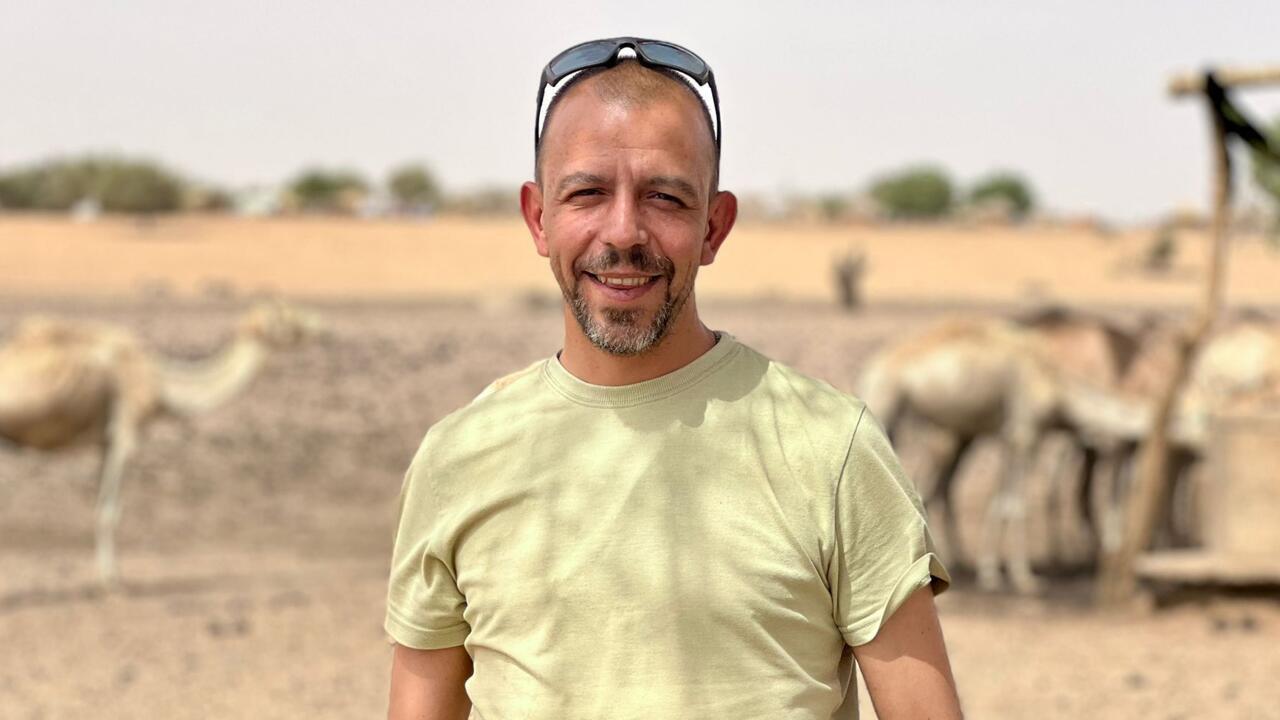
In an unprecedented account, Belgo-Portuguese researcher Joseph Figueira has recounted the harrowing two-year ordeal he endured following his arrest by Russian Wagner Group mercenaries in the Central African Republic.
The incident occurred on May 26, 2024, in Zemio, a town in the southeast of the country. Figueira, who was conducting humanitarian work, was detained and later transferred to the notorious Wagner-run prison in Bria, where he claimed he feared for his life daily.
Bria, a stronghold of Wagner mercenaries, became a living nightmare for Figueira. The prison conditions were brutal, the psychological strain immense, and the uncertainty of his fate weighed heavily on him. In an emotional interview, he shared, “In Bria, I truly believed I would not survive.”
a targeted detention or random act?
Figueira’s arrest raises critical questions about the circumstances surrounding his detention. Was he a deliberate target, selected for potential propaganda purposes? Or was his arrest merely a tragic coincidence in a region plagued by instability and foreign mercenary activity?
The timing of his detention—coinciding with the second anniversary of his arrest—adds a layer of significance to his account. His liberation on April 7, 2026, for humanitarian reasons, marked the end of a grueling ordeal that tested his resilience and resolve.
rebuilding life after captivity
Now reunited with his family in Portugal, Figueira is slowly piecing his life back together. His testimony sheds light on the harsh realities faced by civilians and humanitarian workers in conflict zones, particularly those under the influence of foreign armed groups.
The case of Joseph Figueira underscores the dangers faced by researchers and aid workers operating in volatile regions. His story serves as a stark reminder of the human cost of geopolitical conflicts and the precarious nature of humanitarian missions in unstable environments.