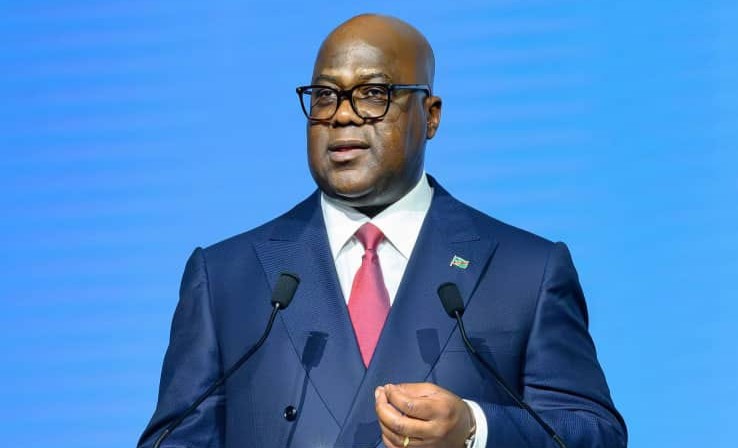
During a high-level gathering of heads of state, water experts, and development partners in N’Djamena, the President of the Democratic Republic of Congo outlined his nation’s ambitious vision to harness its vast water resources for tangible public benefit. While highlighting the country’s untapped hydrological potential, he stressed that such resources must translate into real services for citizens.
Water and sanitation targets set for 2035
The Democratic Republic of Congo is not only aiming to ensure 60% access to clean drinking water by 2035, but also to achieve 50% coverage in sanitation and hygiene services within the same timeframe. These dual goals are designed to curb waterborne diseases and significantly improve living standards across the country.
Expanding this vision further, the Congolese government has committed to providing reliable access to water, sanitation, and hygiene facilities in 80% of schools and health centers by 2035. This initiative aims to enhance educational and healthcare environments, ensuring safer conditions for students, patients, and medical staff alike.
Our priority is to guarantee adequate water, hygiene, and sanitation infrastructure in 80% of schools and health facilities. These environments are particularly vulnerable and deserve immediate attention, the President emphasized.
To turn these targets into reality, Kinshasa is rallying a broad coalition of stakeholders. Public funding, private investment, and international partnerships will all play crucial roles in closing the current infrastructure gap and accelerating progress.
five continental priorities for water sector transformation
The Congolese leader proposed a five-point strategy to address water management challenges across Africa. These include integrating public policies, strengthening governance through high-performing institutions, ensuring greater accountability and transparency in water infrastructure management, preparing technically mature and financially structured projects to attract investment, and securing sustainable financing for water infrastructure.
He underscored the urgency of building a robust local water industry to meet the continent’s growing needs. According to the President, Africa must boost its production capabilities to address clean water supply, sanitation, and hydraulic infrastructure demands effectively.
As part of this industrial drive, Félix Tshisekedi called for the local manufacturing of essential water sector equipment. We need to develop our continent’s capacity to produce pipes, pumps, meters, treatment systems, irrigation solutions, and digital tools. This shift would not only reduce reliance on imports but also create jobs and stimulate industrial growth.
The President also emphasized the need for meticulous planning. Only bankable, technically sound, and financially viable projects can attract the capital required to transform the sector. We are laying the groundwork for a national roadmap that aligns with Africa’s broader challenges: more access, stronger governance, and a thriving water industry capable of supporting sustainable development.