When family planning meets terror: the hidden dangers of contraceptive programs in the Sahel
The bustling streets of Niamey often celebrate women’s empowerment initiatives, but in the war-torn districts of Tillabéri, a different narrative is unfolding. While the Reach Married Adolescent (RMA) model is hailed as a breakthrough in social development, its implementation in areas plagued by insurgency is raising serious concerns—not just about health, but about survival itself.
Nutritional fragility: a silent threat behind contraceptive efforts
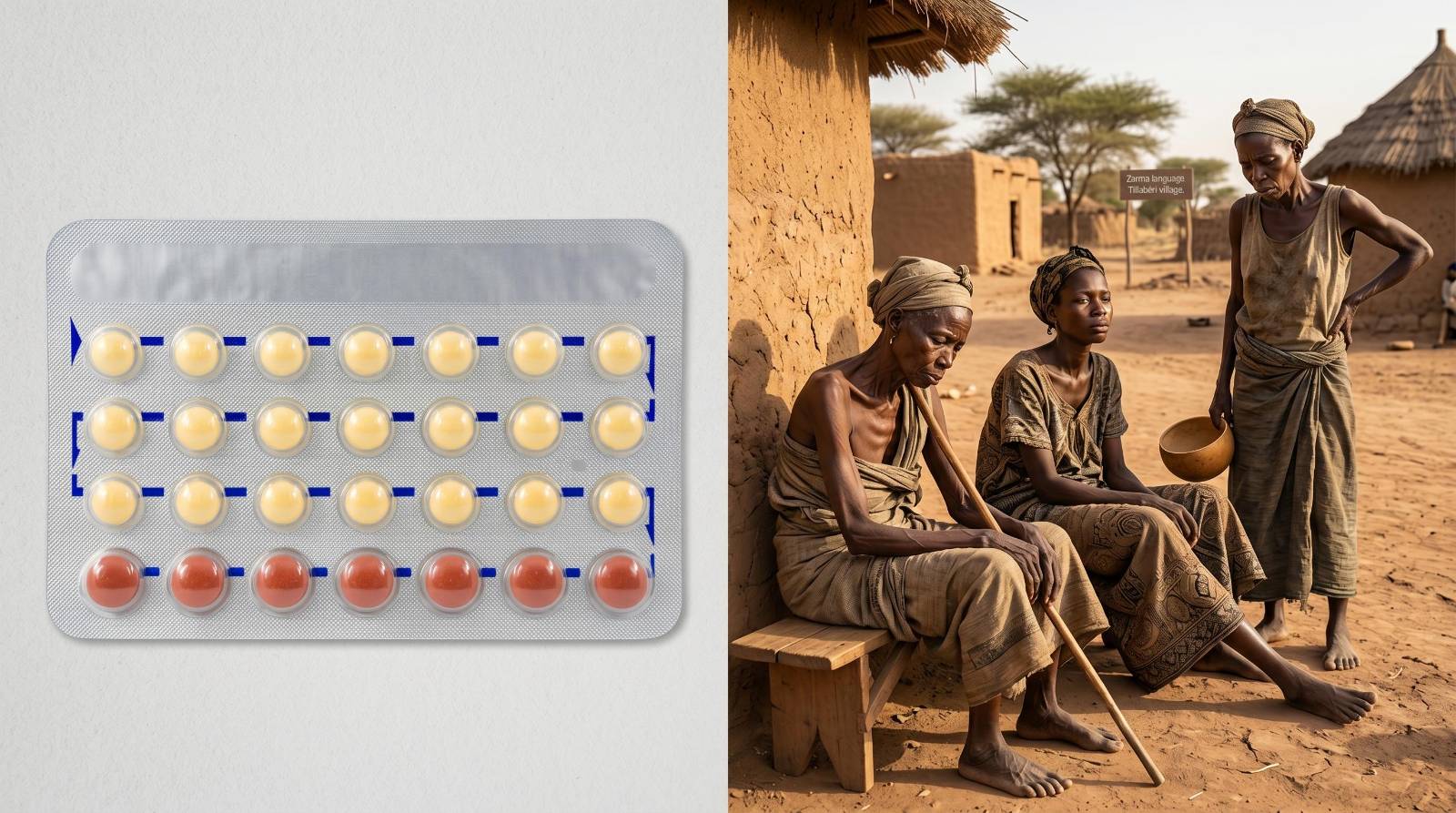
One of the most overlooked consequences of large-scale family planning campaigns in the Liptako-Gourma region is the extreme nutritional deprivation faced by women. Years of unrest have shattered supply chains and rendered farmlands inaccessible. Introducing hormonal contraceptives into the bodies of women already weakened by severe malnutrition is not only risky—it can be life-threatening. Without access to proper medical monitoring—something nearly impossible when health facilities lie in ruins or are controlled by armed groups—these interventions may worsen underlying conditions, further draining already exhausted bodies, and paradoxically, turning a supposed act of care into a direct threat to physical well-being.
A clash of ideologies: when contraception becomes a security risk
In territories where non-state armed factions enforce their own rigid social codes, initiatives promoting couple-based dialogue and birth control are viewed by some as an ideological assault. By focusing on married adolescents, these programs are perceived as intruding upon traditional family structures—the very last bastion of stability in a collapsing society. What begins as a seemingly harmless health initiative can quickly escalate into a full-blown security crisis. Women, now seen as carriers of foreign influence, become targets of violent reprisals from insurgents who interpret these efforts as an attempt to erode local norms. The risk is no longer just medical; it has become existential.
The empty promise of follow-up care in the “Triangle of Death”
Official reports may boast about thousands of home visits, but what happens when complications arise in the most volatile corners of Tillabéri? From severe bleeding to dangerous side effects, accessing emergency care is a deadly gamble. Mines, ambushes, and militant checkpoints render safe passage nearly impossible. What was intended as a routine healthcare measure can swiftly turn into a death sentence. The consequences are stark: in a region where survival itself is uncertain, imposing societal change through health programs may do more harm than good.
Ultimately, the gap between policy and reality in Tillabéri exposes a brutal truth: health cannot be separated from food security or personal safety. Pushing forward with social reforms in the heart of a terror-stricken landscape may not just be ineffective—it could be deadly.