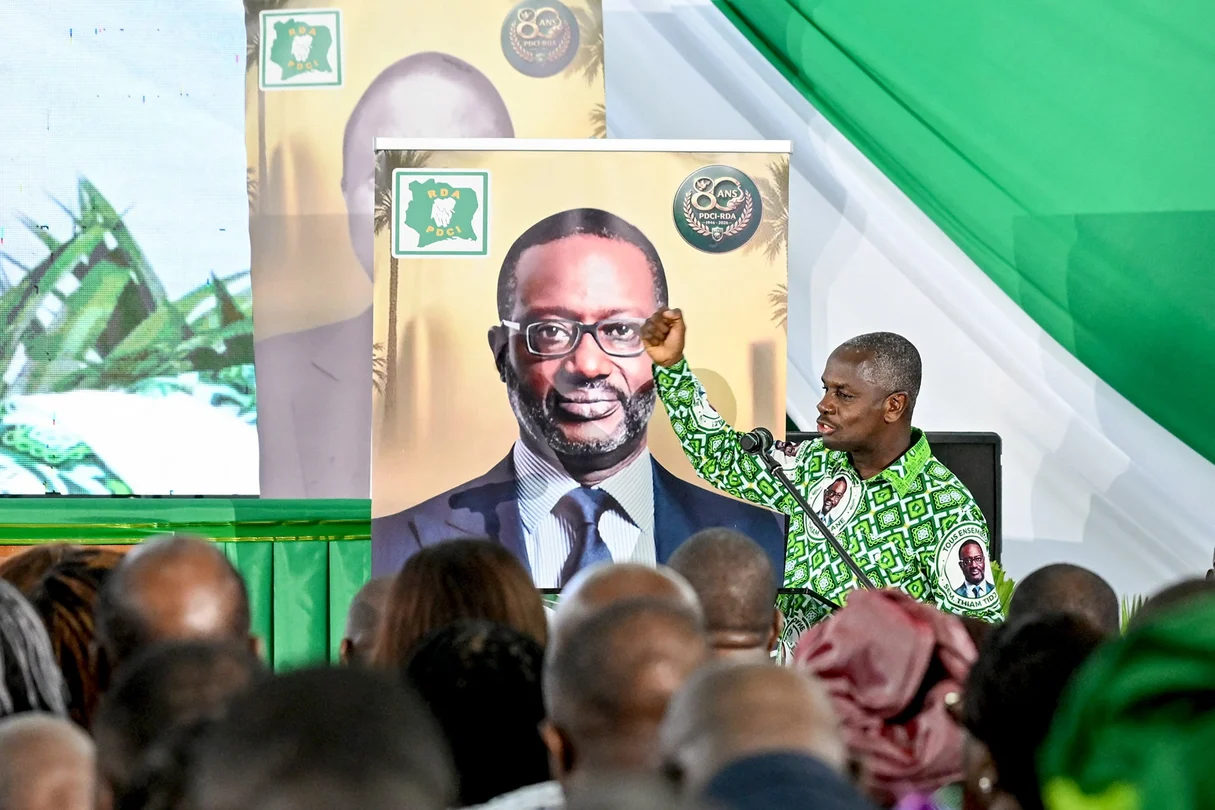
Mounting tensions within Côte d’Ivoire’s historic opposition party
The Parti Démocratique de Côte d’Ivoire (PDCI), long a pillar of opposition politics, now faces deep internal fractures as the 2026 presidential election looms. Recent developments have exposed sharp divisions within the party’s leadership, casting doubt on its unity and future strategy. At the heart of the turmoil is a growing rift between traditionalists and reformists, each vying for control ahead of what many see as a decisive political showdown.
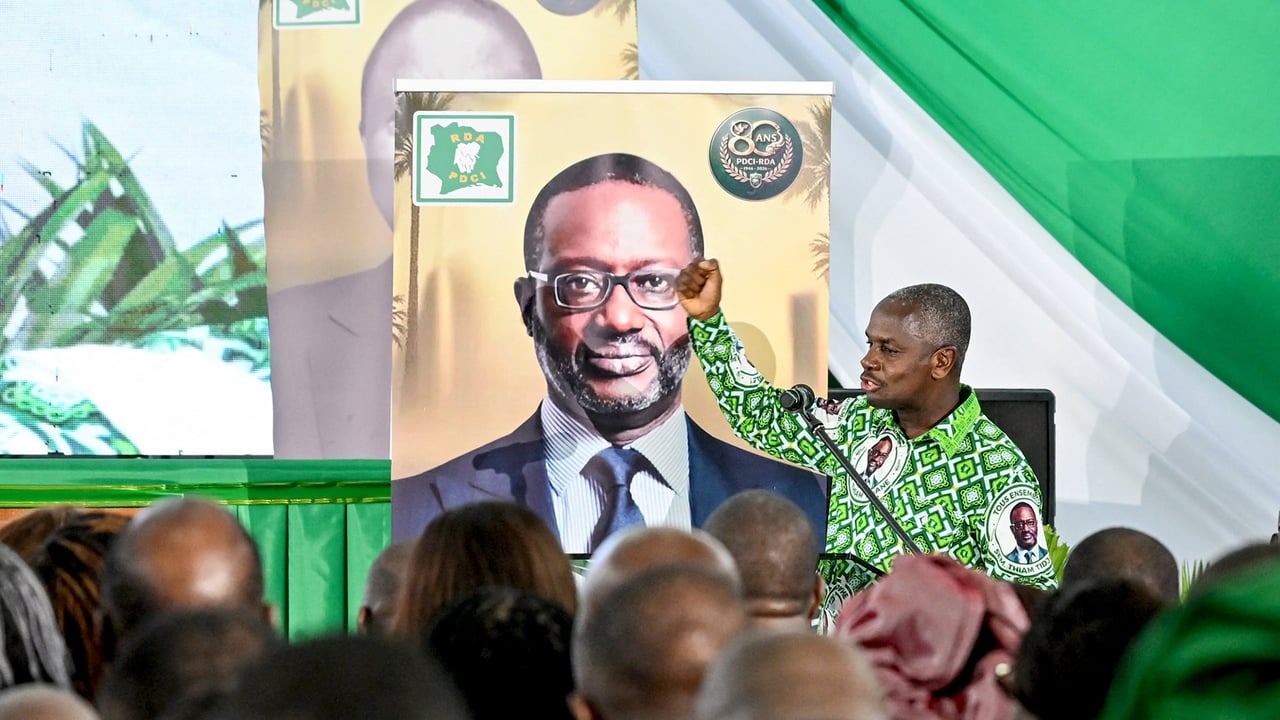
Secretary-General Calice Yapo Yapo’s recent public statements have underscored the escalating discord. During the PDCI’s 80th anniversary celebrations in Abidjan earlier this month, he delivered a speech that many interpreted as a thinly veiled critique of the party’s direction under current leadership. Observers note that his remarks reflect broader frustrations among rank-and-file members over the party’s perceived drift from its founding principles.
Strategic shifts and power struggles
The PDCI’s alliance with the ruling Rassemblement des Houphouëtistes pour la Démocratie et la Paix (RHDP) has further fueled tensions. Critics argue that this partnership, while pragmatic in some quarters, risks diluting the PDCI’s identity and alienating its core base. Supporters of the alliance contend it positions the party for greater influence in government, but detractors warn it could spell electoral irrelevance if voters perceive the PDCI as indistinguishable from the ruling party.
- Internal power plays: Factional infighting has intensified, with competing camps maneuvering to secure key positions within the party hierarchy. The battle for influence extends to grassroots structures, where loyalty to individual leaders often trumps ideological alignment.
- Leadership controversies: Tidjane Thiam, the party’s figurehead, has come under fire for his handling of internal dissent. His supporters credit him with modernizing the party, while opponents accuse him of centralizing power and stifling dissent.
- Electoral implications: With the presidential election just months away, the PDCI’s ability to present a united front is increasingly in question. Polls suggest voter fatigue with fractured opposition parties, a trend that could benefit the ruling coalition unless the PDCI can rally its base.
Public sentiment and party resilience
Despite the infighting, the PDCI retains a loyal following among segments of the electorate, particularly in regions where its historical legacy holds sway. However, the party’s failure to articulate a compelling alternative to the RHDP’s governance has left many voters disengaged. Analysts warn that continued internal strife could erode the PDCI’s electoral prospects, potentially reshaping Côte d’Ivoire’s political landscape for years to come.
The coming weeks will be critical for the PDCI. Can its leadership bridge the divide and present a cohesive vision to voters? Or will the party’s divisions deepen, paving the way for a new era of opposition politics in Côte d’Ivoire? One thing is clear: the stakes could not be higher.