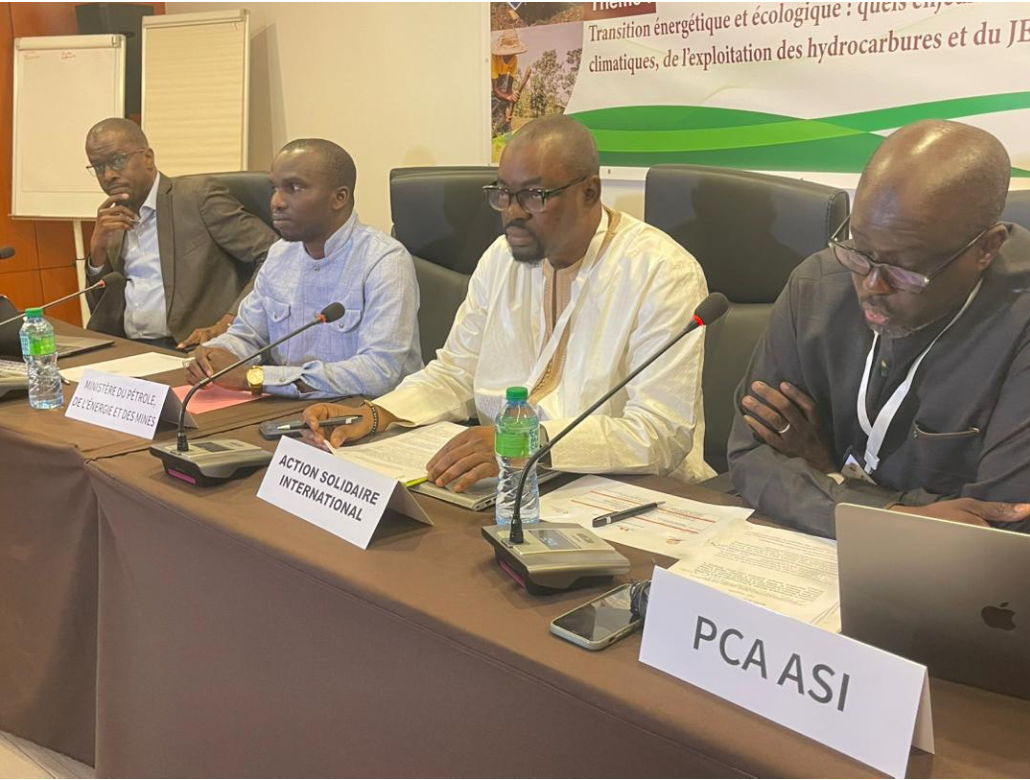
The fourth edition of the Environment and Energy University kicked off in Dakar this week, bringing together scientists, policymakers, industry leaders, and civil society representatives to address Senegal’s evolving energy landscape.
The two-day event, held on May 19–20, serves as a platform for deepening discussions on the nation’s energy transition, particularly as the country navigates the dual pressures of climate change and the growing extraction of oil and gas resources. Dakar has emerged as a strategic hub for these critical conversations.
The opening ceremony was led by Dr. Elhadji Ndiaye, representing the Minister of Petroleum, Energy, and Mines. Key stakeholders in attendance included the National Renewable Energy Agency (ANER), the Senegalese Rural Electrification Agency (ASER), academics, and multiple non-governmental organizations.
In his remarks, Dr. Ndiaye emphasized that energy and environmental challenges are no longer isolated issues but central to economic growth, social progress, and sustainable development. He highlighted the pivotal role of energy in driving productivity, fostering innovation, job creation, and improving living standards across the country.
urgent calls for sustainable energy transformation
Mamadou Barry, Chair of Action Solidarité Internationale and coordinator of the Environment and Energy University, underscored the pressing need for a robust ecological transition. He stressed that the event aims to raise awareness among both the public and decision-makers about the urgency of addressing climate impacts while advancing renewable energy solutions.
Barry warned that Senegal is grappling with escalating climate threats, including recurrent flooding, coastal erosion, and agricultural losses. He called for a shift toward sustainable, resilient development models that balance hydrocarbon production with climate commitments.
“As Senegal enters the era of oil and gas production, it must not lose sight of its renewable energy goals,” he stated. “A just transition requires inclusive policies that empower communities most affected by climate change.”
building consensus for a greener tomorrow
The forum provided a rare opportunity for cross-sector collaboration, enabling participants to share insights on policy frameworks, technological innovations, and community-driven solutions. By fostering dialogue between government, private sector, and civil society, the event aims to create a roadmap for a cleaner, more sustainable energy future for Senegal.