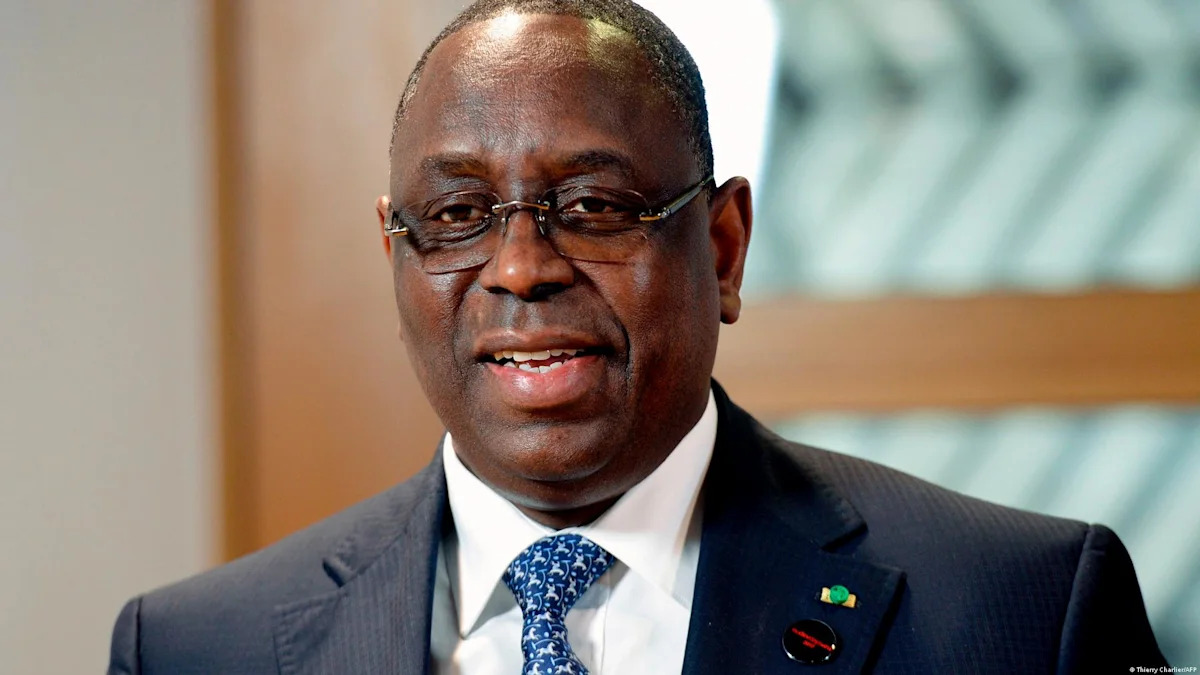
Why the Diomaye Faye-Macky Sall meeting is sparking fierce debate in Senegal
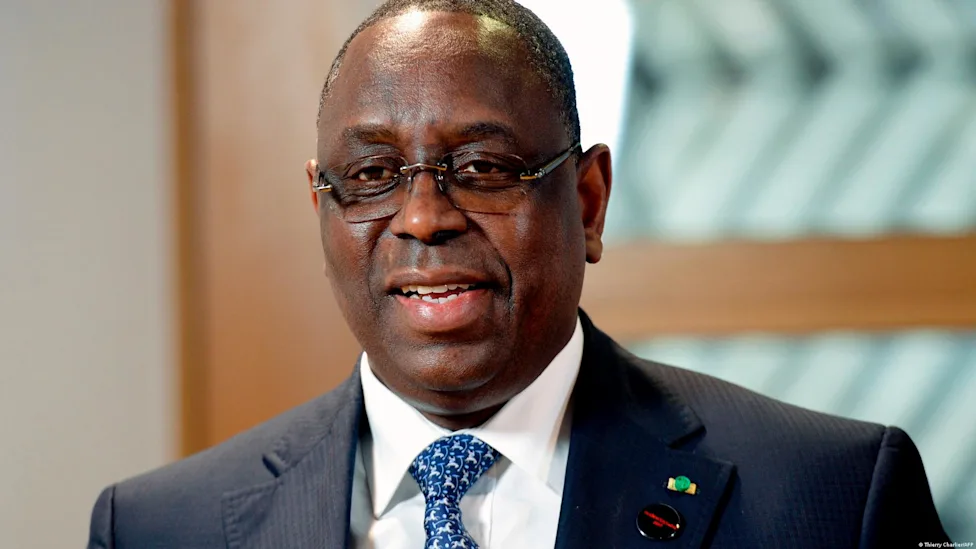
In Senegal, the planned meeting between President Bassirou Diomaye Faye and his predecessor Macky Sall has ignited sharp criticism from families of victims of political repression during the latter’s tenure. These families, still awaiting justice and reparations, view the encounter as untimely and deeply unsettling.
What lies behind this controversy? How might this meeting influence Senegal’s political landscape? To explore these questions, we spoke with political analyst Assane Samb, who examines the broader implications of the encounter in today’s Senegalese context.
Expert analysis: Assane Samb weighs in
Assane Samb: This meeting was inevitable, despite the vocal opposition it has provoked.
At the time, his reluctance to openly endorse Macky Sall stemmed from the political realities of the Pastef movement. Now that he has distanced himself from that position, the restraint is gone.
Understanding the backlash
The outrage isn’t confined to victims’ families—it reflects a broader fear of Macky Sall’s potential political resurgence, particularly as he pursues a bid for United Nations Secretary-General. His candidacy, backed by African nations like Burundi and with China’s influential support, has further fueled tensions.
Diplomatic maneuvering has smoothed some edges, but the reaction on the ground remains raw, especially among civil society groups who see the meeting as a betrayal of justice.
The weight of recent history
Between 2021 and 2024, Senegal experienced intense street battles between protesters and security forces, a period many describe as a revolutionary upheaval. Human rights groups, including Amnesty International, have squarely placed responsibility on the state for the crackdown, particularly the suppression of peaceful assembly rights.
A test of leadership
Does President Faye face a dilemma between upholding diplomatic protocol and addressing the demands of his political base for accountability? The answer appears to hinge on whether he can reconcile these priorities without further alienating key stakeholders.
Reconciliation vs. polarization
While international observers may applaud the meeting as a gesture of diplomatic maturity, domestically it risks deepening political divisions. Victims’ groups, already marginalized, fear the encounter signals a step backward in the pursuit of justice.
For Senegal’s political future, the stakes couldn’t be higher. The meeting’s fallout could either ease tensions or entrench hostility, depending on how leaders navigate this delicate moment.