Pourquoi la rencontre Diomaye Faye/Macky Sall fait polémique
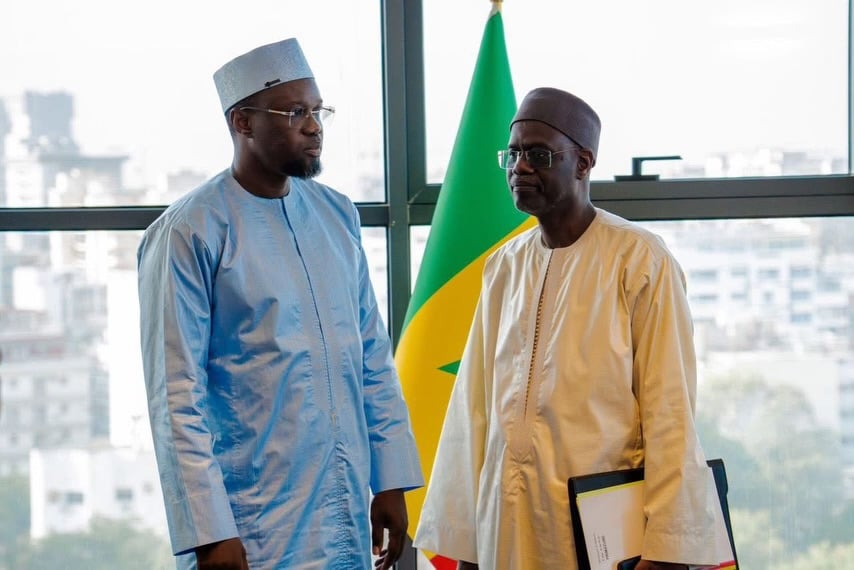
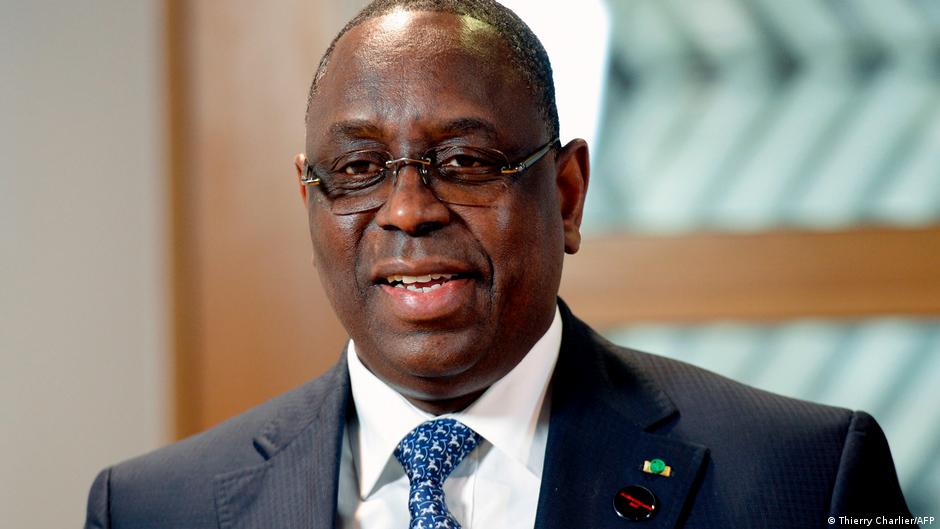
17 juillet 2026In Senegal, the anticipated meeting between President Bassirou Diomaye Faye and his predecessor, Macky Sall, has sparked considerable outrage. Families of those affected by political repression during Sall’s presidency are vehemently protesting the visit, emphasizing that they are still awaiting justice and reparations for their losses.
Why has this particular meeting become such a flashpoint? What potential ramifications could it have for Senegal’s political landscape? Political analyst Assane Samb offers insights into these critical questions, beginning with the current significance of this encounter within Senegal’s contemporary political context.
Insights from Assane Samb
According to Assane Samb, this meeting, despite some vocal opposition, was largely anticipated. He points out that Macky Sall’s current pursuit of the United Nations Secretary-General position made such an engagement almost inevitable. With China playing a pivotal role in supporting his candidacy, it became crucial for diplomatic relations to be smoothed over.
The intense public reaction, particularly from victims’ associations and civil society groups, stems from a specific period between 2021 and 2024. During these years, Senegal experienced widespread street protests and confrontations between demonstrators and security forces. Many perceived these events as a revolutionary movement, leading to deep-seated grievances that remain unresolved.
Many organizations, including Amnesty International, have attributed blame to the former President, holding him responsible for public security and the exercise of freedoms, particularly the right to protest. This raises a crucial question for President Diomaye Faye: is he facing a dilemma, balancing the diplomatic imperatives of the state with the demands for justice from his political base?
Samb highlights that while Diomaye Faye was part of Pastef, he might have been wary of openly endorsing Macky Sall. However, now that he has distanced himself from those affiliations, he appears to be uninhibited in offering official support.
Indeed, Macky Sall’s candidacy for the UN Secretary-General position risks further polarizing Senegal’s political discourse. Beyond the legitimate concerns of the victims, many citizens fear Sall’s potential return to a position of influence, driven by strategic political calculations.
Considering the implications, this meeting is expected to be well-received internationally, particularly by other African heads of state, who may view it as a gesture of political maturity. Domestically, however, it is anticipated to exacerbate the existing bipolarization within Senegal’s political arena, intensifying divisions rather than fostering national reconciliation.