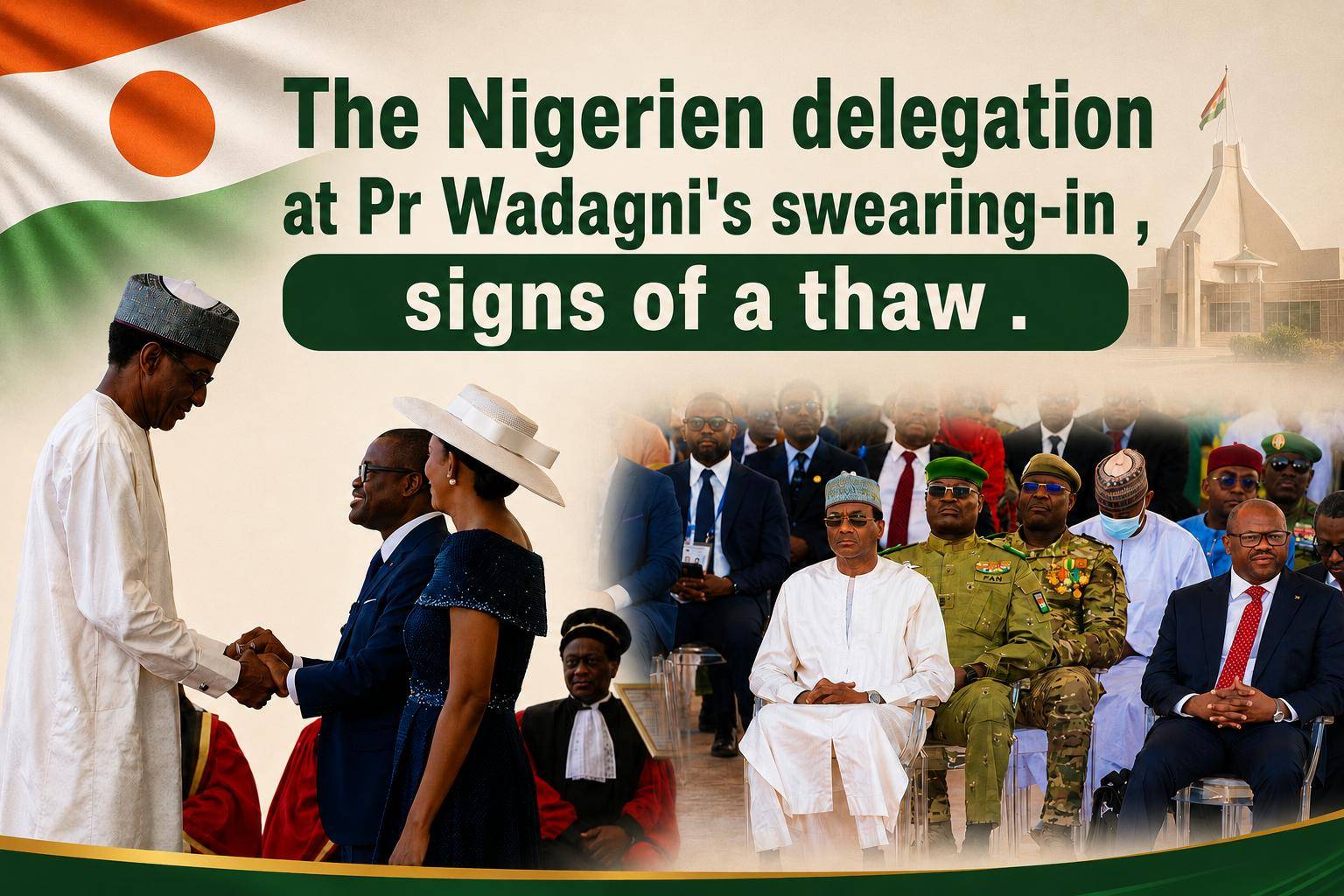
The official ceremony in Cotonou witnessed an unexpected diplomatic milestone, as Niger’s transitional Prime Minister, Ali Mahamane Lamine Zeine, arrived alongside the foreign ministers of Burkina Faso and Mali. This unprecedented gathering underscores a significant shift in regional dynamics amid escalating tensions in West Africa.
a symbolic gesture with strategic implications
The participation of the Nigerien head of government in Benin’s capital was not merely a procedural formality. It signaled a deliberate effort to mend fractured diplomatic ties, particularly between Niamey and Cotonou, which have been strained since mid-2023. The prolonged closure of their shared border and recurring disputes over Nigerien oil transit via the Port of Sèmè-Podji have exacerbated an already volatile situation.
the alliance of the Sahel states: a united front
Prime Minister Zeine’s arrival was not an isolated event. The presence of Burkina Faso’s and Mali’s top diplomats alongside him highlighted the cohesion of the Alliance of Sahel States (AES). This collective representation at a Beninese event carries twofold significance:
- sustained economic diplomacy: Romuald Wadagni, Benin’s influential finance minister and a key interlocutor with international financial institutions, continues to engage with Sahelian authorities, ensuring vital economic channels remain open.
- a thaw in relations: Following months of logistical and customs disruptions at Benin’s northern border, the attendance of Niger’s transitional leadership in Cotonou reflects a mutual commitment to easing tensions.
economic imperatives drive high-level engagement
While the July 2023 coup in Niamey disrupted institutional ties, economic realities have forced a pragmatic reconsideration. Benin faces substantial revenue losses due to the border blockade, while Niger grapples with logistical challenges affecting its critical imports and exports.
The crux of the issue lies in the nearly three-year closure of the land border, which has strangulated historic trade corridors. This high-level meeting could pave the way for a structured timeline to restore cross-border movement.
By facilitating this convergence of Niger’s Prime Minister and the Sahelian foreign ministers, Cotonou has secured a pivotal diplomatic breakthrough. It serves as a reminder that, despite ideological divides, geopolitical pragmatism and economic interdependence remain the cornerstones of regional cooperation.