Mali
Muslim communities in Bamako are enduring a muted Eid celebration this year, as a jihadist blockade encircling the Malian capital has compelled many to remain separated from their families.
Alpha Amadou, a 40-year-old originally from Mopti in central Mali, found himself unable to make his customary journey home for the significant observance, locally known as Tabaski.
“For the first time in three decades of living in Bamako, I will be celebrating Eid right here,” he explained.
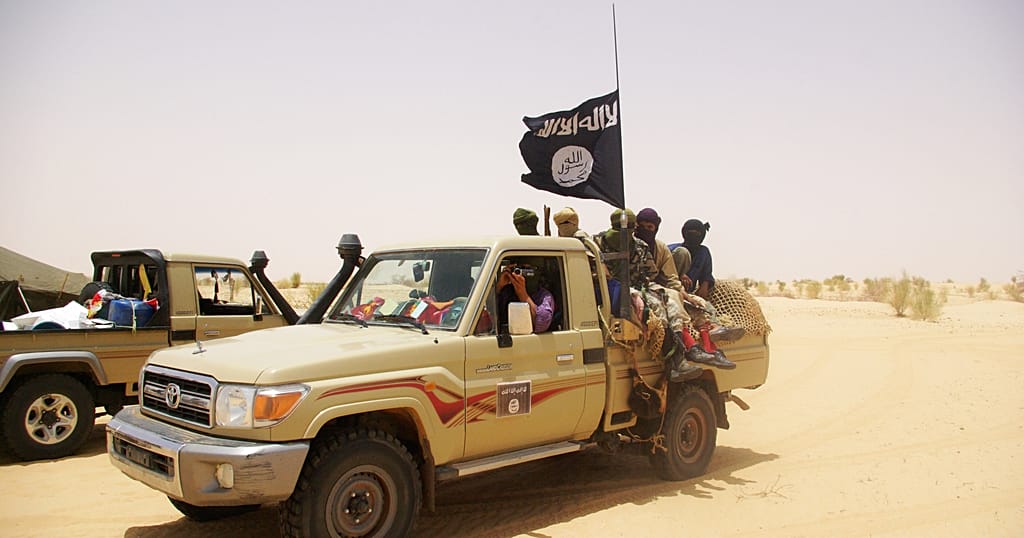
Since late April, fighters affiliated with Al-Qaeda’s Sahelian branch have established roadblocks along key routes leading into Bamako, resulting in the destruction of dozens of buses and cargo trucks.
While the blockade is not absolute, vivid reports and images of torched vehicles have effectively deterred many transport services from operating and numerous individuals from traveling to their ancestral villages.
In Mali, the Eid al-Adha festival extends far beyond its religious significance. It represents a vital social tradition, serving as one of the rare occasions when families, often geographically dispersed for work for months, can reunite.
However, the usual pre-holiday bustle at Bamako’s bus stations has been replaced by an unsettling quiet. Beyond the pervasive insecurity, fuel shortages have further crippled the transportation sector.
“Not only are we struggling with diesel scarcity to keep our vehicles running, but we have also lost buses in recent attacks. This has dealt a severe economic blow,” stated the proprietor of a local travel agency, who requested anonymity.
“Typically, we would transport over 50,000 people from Bamako to other regions in the week leading up to Eid al-Adha. This year, we haven’t scheduled a single trip,” added an executive from another transport company.
For Wara Bagayoko, the tradition always involved packing the family car and heading to Ségou in central Mali for a collective celebration.
This time, however, he will remain in the city, as even private vehicles are now becoming targets.
“This will be the first time in thirty years that I won’t celebrate in my village. The road is simply too perilous,” he lamented.
“Previously, about twenty of us would travel together by motorbike to Sikasso (in the south) to celebrate,” Oumar Diarra recounted. “This year, we are all staying in Bamako.”
A few minibuses still manage to navigate into the city, either by utilizing secondary routes or by traveling under military escort.
Livestock scarcity for sacrifice
The disruptions in transportation are also severely impacting the livestock trade, which is crucial for the traditional Eid al-Adha sacrifice.
Due to the ongoing blockade, herders and traders face immense difficulties in bringing their animals to Bamako, the nation’s primary consumer market.
The cost of transporting an animal, which typically ranged from 2,500 to 2,750 CFA francs (approximately 5 US dollars), has surged dramatically this year, now ranging between 15,000 and 18,000 CFA francs (26 to 31 US dollars), according to transporter Alassane Maiga.
Consequently, sheep are scarce and significantly more expensive in a country where the monthly minimum wage stands at just 40,000 CFA francs.
“Many trucks carrying sheep have been set ablaze by jihadists… Normally, I would have over 1,000 animals, but today, I don’t have a single one,” shared Hama Ba, a Bamako merchant.
“Sheep we once bought for 75,000 francs are now selling for 300,000. Before, there was an abundance of choice, but today, they have nearly vanished from Bamako,” noted Iyi, who was searching for an affordable sheep.
Widespread power outages
The security crisis continues to permeate daily life, as essential services within the city deteriorate.
Bamako is currently grappling with extended electricity blackouts and a severe shortage of potable water.