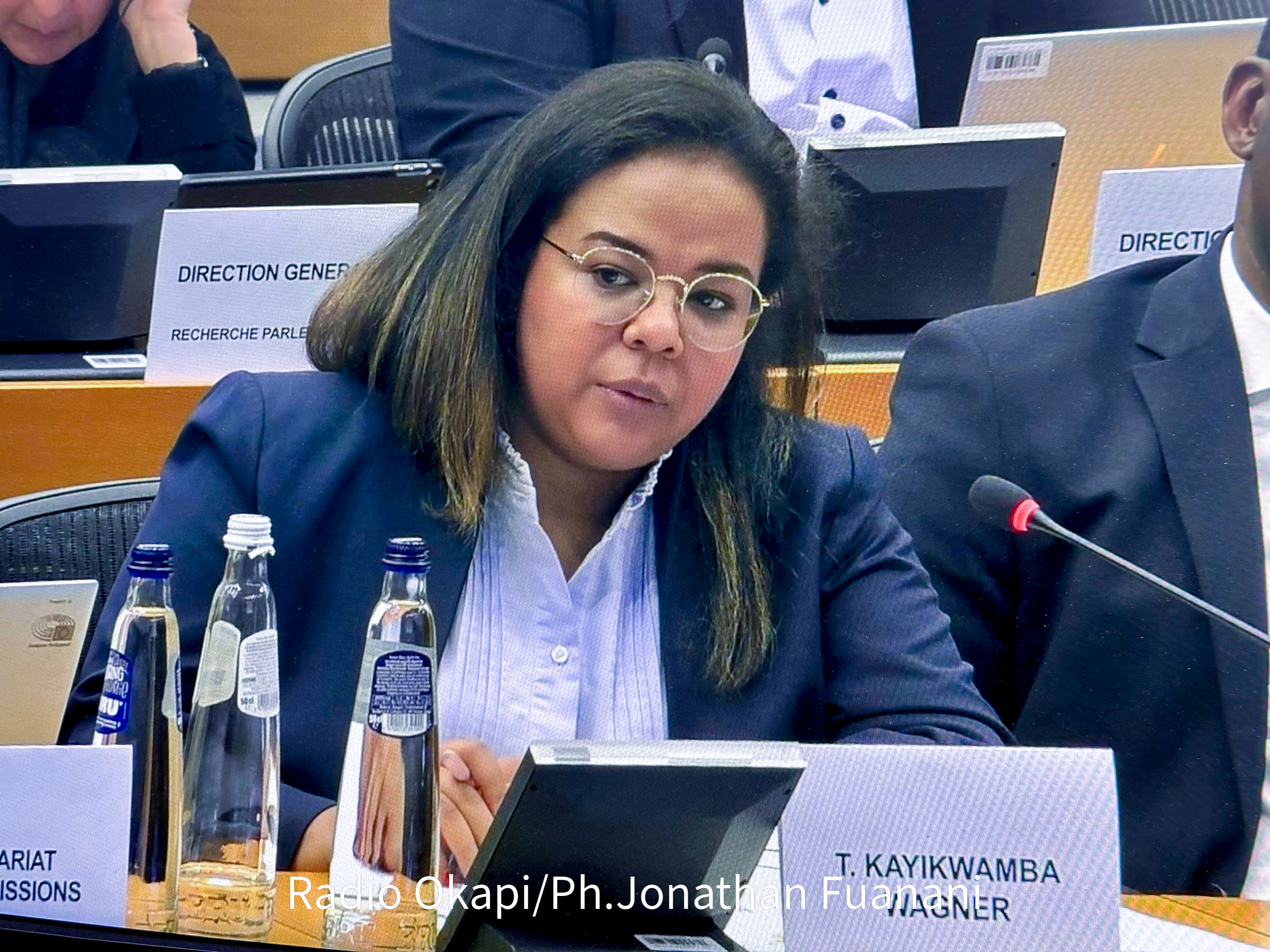
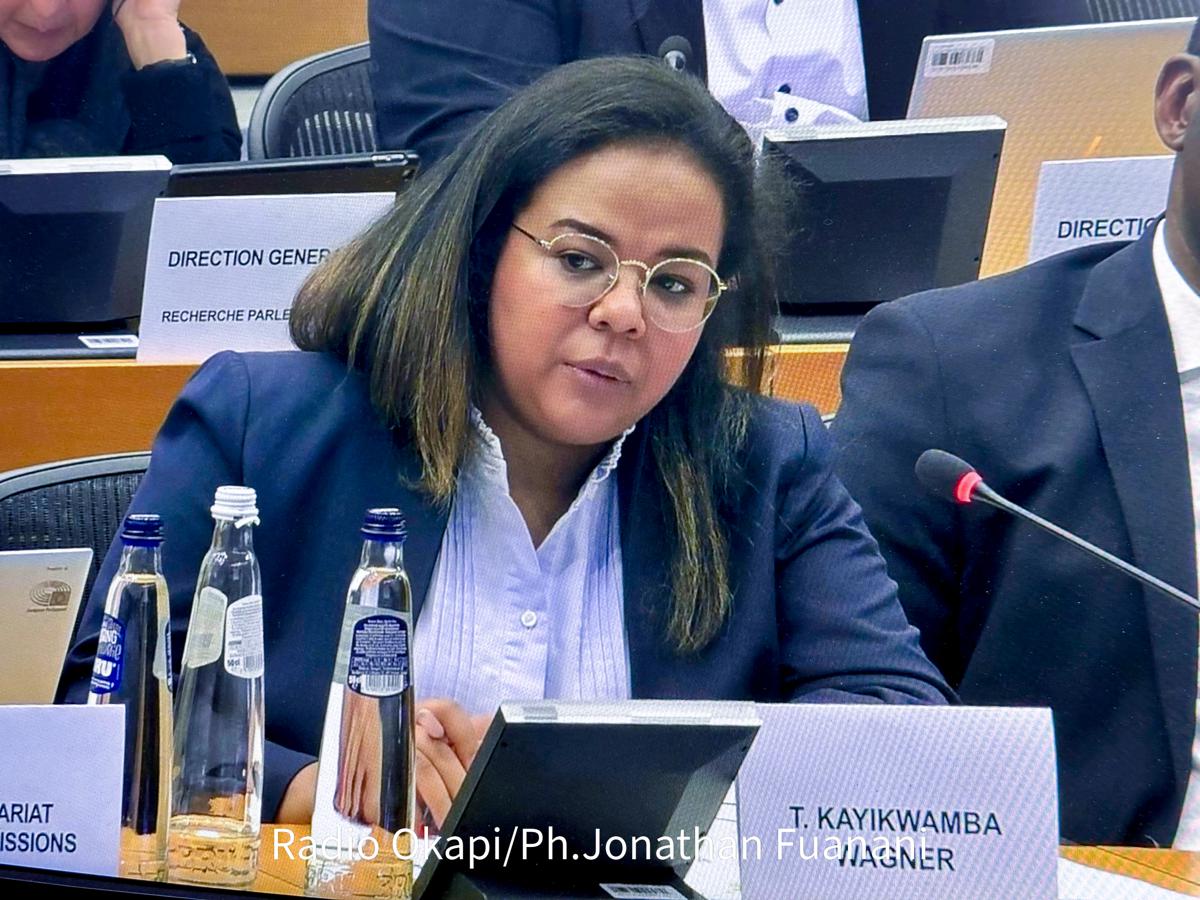
This pivotal gathering brought together a diverse group of diplomats, experts, and representatives from various international organizations. Their collective objective was to deliberate on how natural resources can effectively contribute to preventing conflicts and strengthening peace worldwide.
In her address, Minister Kayikwamba urged the global community to move beyond mere conflict management. Instead, she advocated for an approach that prioritizes responsible governance of natural resources as a proactive mechanism for conflict prevention, all while upholding the sovereign rights of nations.
The Minister emphasized that the exploitation of strategic resources must primarily serve economic development, foster stability, and enhance the prosperity of populations, rather than becoming a catalyst for heightened tensions and insecurity.
Natural resources as a catalyst for cooperation
Adding his voice to the discussion, Huang Xia, the United Nations Secretary-General’s Special Envoy for the Great Lakes Region, highlighted a crucial perspective. He stressed that natural resources should not be viewed solely as sources of competition or potential conflict.
The seasoned UN diplomat articulated that, conversely, these resources possess immense potential to act as powerful drivers for regional cooperation, promote stability, and advance sustainable development across the globe.
The Special Envoy further asserted that establishing tangible economic opportunities is an indispensable element for ensuring enduring peace within the Great Lakes Region.
A significant prelude to the July 22 debate
This meeting marks the commencement of an important diplomatic series, set to culminate on July 22 with a high-level public debate of the Security Council. This upcoming debate will be presided over by the President of the Republic, Félix Antoine Tshisekedi Tshilombo.
Through this strategic initiative, the Democratic Republic of Congo aims to position the crucial issue of natural resource governance at the forefront of international discussions on peace and security. Simultaneously, the nation advocates for the establishment of a more cohesive and appropriate normative framework tailored to the specific realities faced by resource-producing countries.
Understanding an Arria-formula meeting
An Arria-formula meeting serves as an informal mechanism within the United Nations Security Council. It facilitates more open dialogue among Council members and external stakeholders who typically do not participate in formal sessions.
These specialized meetings can include a wide array of participants, such as:
- Representatives from civil society organizations
- Independent experts
- Academics and researchers
- Non-governmental organizations (NGOs)
- Delegates from states not currently members of the Security Council
Unlike formal Council meetings, Arria sessions do not involve voting or the adoption of resolutions. Nevertheless, they provide a valuable platform for enriching ongoing debates and stimulating critical reflection on major issues pertaining to international peace and security.