Niger and mali’s tricky exit from ECOWAS alliance
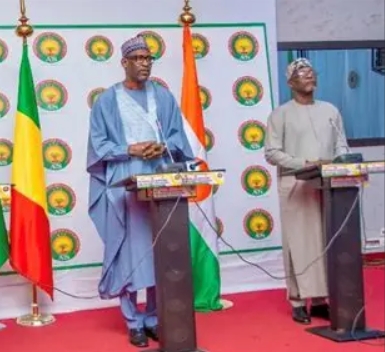
The foreign ministers of Niger and Mali have recently delivered statements that raise eyebrows across West Africa. On one hand, they level harsh accusations against their neighbors in the Economic Community of West African States (ECOWAS), claiming these nations support terrorist groups. On the other, they signal willingness to engage in limited cooperation with the very same countries. This inconsistent stance—oscillating between confrontation and collaboration—reveals a deeper dilemma: severing ties with a regional bloc is not as simple as a political declaration.
Contradiction in foreign policy: choose your stance
The governments of Mali and Niger have accused ECOWAS countries of actively backing armed terrorist organizations. Yet, almost simultaneously, they express openness to working with those same nations on specific issues.
Why this inconsistency matters: International credibility hinges on consistency. When a nation publicly brands its neighbor as an accomplice to violence against its own soldiers, it undermines its own diplomatic legitimacy to propose trade agreements the next day.
Diplomatic fallout: Such erratic behavior risks portraying Sahelian authorities as unreliable partners on the global stage. Development cannot be negotiated with entities labeled as national enemies—at least not credibly.
The unbreakable bonds of geography and trade
The withdrawal from ECOWAS was framed as a move toward “total independence.” However, geography imposes unyielding constraints that political rhetoric cannot override.
Dependence on coastal ports
Both Mali and Niger are landlocked nations. Their access to essential goods—rice, sugar, medicine, and construction materials—relies entirely on ports in Cotonou, Lomé, and Abidjan. Without cooperation from ECOWAS members, the cost of importing these necessities would skyrocket, pushing living expenses beyond the reach of already struggling citizens. By expressing a desire to cooperate, these ministers tacitly acknowledge a hard truth: the Alliance of Sahel States (AES) cannot survive in isolation.
The hidden cost of isolation
Isolating oneself from regional trade networks doesn’t just raise prices—it disrupts supply chains critical to public health, food security, and infrastructure development. The ministers’ dual approach suggests a recognition that economic survival depends on maintaining ties, no matter how fraught the political relationship may be.
Trying to have it both ways: a flawed strategy
Leaving ECOWAS was a bold political statement aimed at appeasing domestic public opinion. However, the expectation of retaining all technical advantages of the bloc without adhering to its rules is pure illusion.
Political rupture vs. economic necessity
The Sahel nations seek to distance themselves from the “old order,” yet they still require the free flow of goods and capital across borders. This contradiction exposes a fundamental flaw in their withdrawal strategy: you cannot exit an alliance, publicly condemn its members, and expect to benefit from its infrastructure, trade systems, or legal protections.
Consequences for local businesses: By undermining the political framework of ECOWAS, these governments weaken the legal and economic security of their own traders and investors. Confidence in cross-border transactions plummets when the ground rules are suddenly rewritten.
From anger to strategy: the need for realistic diplomacy
Emotions may dominate headlines, but they do not constitute foreign policy. Venting frustration at neighbors may score short-term political points, but it does nothing to address hunger, insecurity, or terrorism—real issues facing citizens every day.
Terrorism ignores borders
Terrorist networks operate across national lines, ignoring political declarations or alliance exits. Combating them requires seamless intelligence sharing, coordinated military operations, and regional trust. Dividing neighbors only plays into the hands of extremists who thrive in fractured landscapes.
True sovereignty is not just rhetoric
Niger and Mali are discovering that complete withdrawal from ECOWAS presents monumental economic challenges. Real sovereignty isn’t just about rejecting international institutions—it’s about a state’s ability to feed its people, heal its sick, and protect its cities. To achieve this, good neighborliness isn’t optional; it’s essential. Pretending otherwise prioritizes propaganda over the lived reality of citizens who bear the brunt of these decisions.