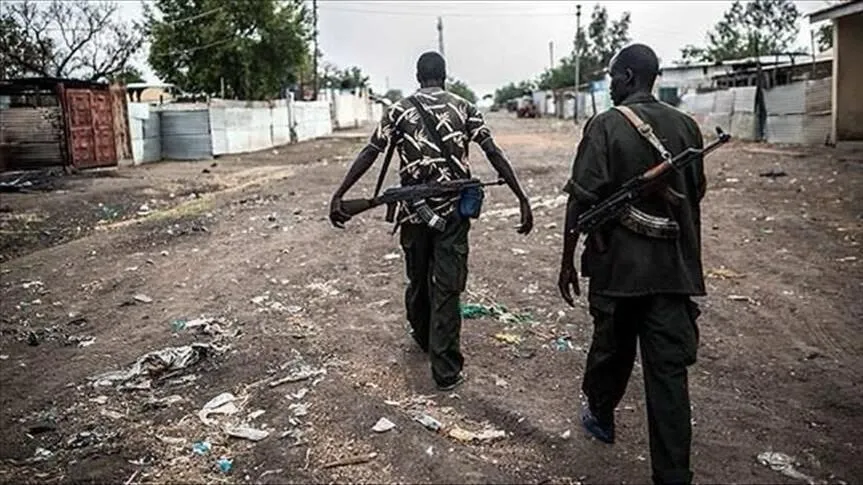
The eastern Democratic Republic of the Congo (DRC) continues to grapple with escalating violence between government forces and the March 23 Movement (M23) rebels, despite a high-profile peace agreement signed a year ago. The resurgence of clashes comes amid a devastating Ebola outbreak that has further strained an already fragile humanitarian situation.
From hope to stalemate: the unkept promises of the DRC-Rwanda accord
The DRC-Rwanda peace deal, brokered in Washington with U.S. backing, was meant to end years of cross-border tensions and rebel activity in eastern DRC. However, the agreement has failed to curb the M23 rebels’ territorial gains, which remain largely under their control. Analysts now describe the situation as a perpetual deadlock, with sporadic exchanges of fire and repeated ceasefire violations from both sides.
Rebel strength grows despite diplomatic efforts
Bob Kabamba, a political science professor at the University of Liège, warns that the M23 continues to bolster its ranks, shifting the balance of power in its favor. “The rebels are not only holding ground but actively expanding their influence,” he explains. “The current military reality suggests that the M23 is dictating the terms of engagement, not the peace process.”
Between April 2025 negotiations in Doha—mediated by Qatar—and the June 2025 signing of the U.S.-brokered accord, hopes were high for a lasting resolution. Yet, the ceasefire remains fragile, with both Kinshasa and the M23 accused of breaching its terms. The DRC government, despite its commitments, has struggled to regain control over rebel-held areas.
Humanitarian crisis deepens as violence rages on
The ongoing conflict has exacerbated an already dire situation, with Ebola outbreaks, mass displacement, and food insecurity ravaging communities. Aid organizations warn that the humanitarian toll could worsen if the violence persists. Civilians in North Kivu and Ituri provinces face daily threats, caught between armed groups, government forces, and foreign-backed militias.
The international community’s role in the crisis remains a subject of debate. While the U.S. played a key role in brokering the peace deal, its influence has yet to translate into tangible stability on the ground. Meanwhile, regional actors continue to navigate a complex web of alliances, complicating efforts to restore peace.
What lies ahead for eastern DRC?
With no clear path to resolution, the future of eastern DRC hangs in the balance. The M23’s growing strength and the government’s inability to enforce the ceasefire suggest that the statu quo will persist unless a radical shift occurs. For now, the people of eastern DRC remain trapped in a cycle of violence, with little hope for an imminent end.