Ebola outbreak in Democratic Republic of Congo reaches critical phase as WHO issues urgent alert
The World Health Organization (WHO) has raised the alarm over the unprecedented spread of Ebola in the Democratic Republic of Congo (DRC), two months after the outbreak was declared. The situation has deteriorated dramatically, with transmission rates now exceeding those of all previous outbreaks in the country.
The WHO Director-General, Dr. Tedros Adhanom Ghebreyesus, emphasized during a Geneva press conference that this outbreak has become the third-largest Ebola epidemic ever recorded. “Yesterday marked two months since the DRC government declared the Ebola outbreak. Since then, the epidemic has spread rapidly. This is now the third largest Ebola outbreak ever recorded, and in the past month, it has spread faster than any previous outbreak,” he stated.
Alarming transmission rates in Ituri province
The situation remains particularly dire in Ituri province, where more than 80% of new cases are being detected outside known contact tracing lists, indicating undetected transmission chains. “Over two-thirds of deaths are occurring in communities, among people who never had access to healthcare facilities,” Dr. Tedros noted.
WHO and partners intensify response efforts
In collaboration with the Africa Centres for Disease Control and Prevention (Africa CDC) and other international partners, the WHO is supporting the DRC government in scaling up the emergency response. Key progress includes:
- Treatment capacity now exceeds 800 beds and continues to expand
- Laboratory testing capacity has increased from one to 16 facilities
- Contact tracing has reached nearly 80% coverage
- Over 21,000 community health workers are being trained
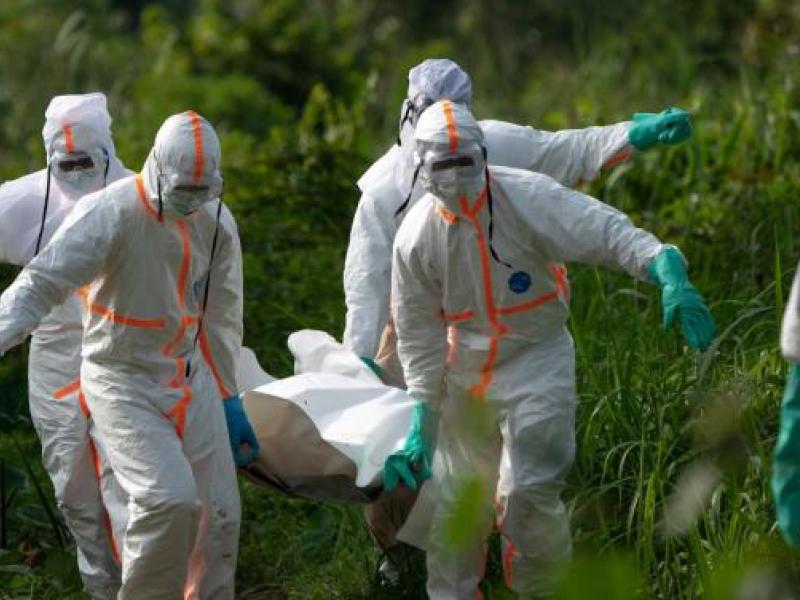
- Safe and dignified burial practices have significantly improved
Research breakthroughs offer hope despite challenges
Dr. Tedros highlighted encouraging developments in research and treatment, including:
- The launch of clinical trials for monoclonal antibody MBP134 and antiviral remdesivir
- The initiation of the first safety trial for the ChAdOx1 vaccine by Oxford University
- Testing of the obeldesivir antiviral for post-exposure prophylaxis
- 377 recoveries recorded despite the absence of approved vaccines or treatments
Security threats hamper containment efforts
The ongoing conflict in eastern DRC continues to severely hinder access to affected areas. The attack on an Ebola treatment center in Bunia, the capital of Ituri province, highlights the security challenges facing response teams. “The armed conflict is preventing access to affected zones and slowing down the response. Yesterday, a treatment center in Bunia was attacked. We face technical challenges, but we also need political intervention to facilitate the scaling up of the response,” Dr. Tedros explained.
Immediate priorities for outbreak control
The WHO has identified four key priorities to reduce transmission and contain the outbreak:
- Strengthening surveillance in Ituri province
- Implementing safe and dignified burial practices
- Improving clinical management of patients
- Engaging communities in prevention efforts
The outbreak, caused by the Bundibugyo strain, was declared a Public Health Emergency of International Concern (PHEIC) by the WHO on May 17, two days after the initial declaration. The epidemic has shown significant geographical expansion, with the actual scale potentially underestimated due to population mobility, weak health systems, and insecurity in conflict-affected areas.
Despite these challenges, DRC authorities maintain that the situation is under control through coordinated efforts with national and international partners. The country has successfully managed sixteen previous Ebola outbreaks in the past, demonstrating its capacity to respond to health crises.