FIFA tightens rules after Senegal vs Morocco incident in CAN 2025 final

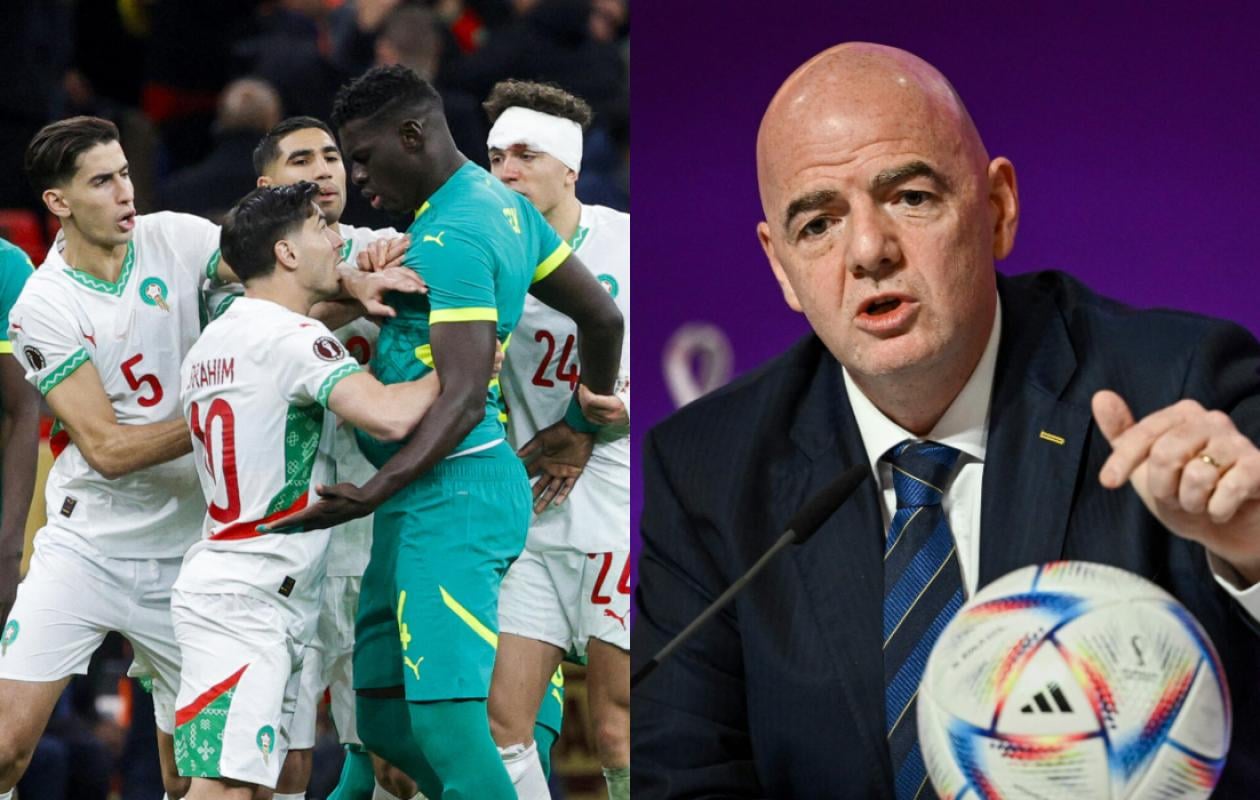
The FIFA is rolling out stricter regulations ahead of the 2026 FIFA World Cup, aiming to curb extreme protests on the pitch. This move comes in response to the chaotic scenes that unfolded during the 2025 Africa Cup of Nations final between Senegal and Morocco.
On January 18, during the highly anticipated match in Rabat, Senegalese players initially left the field mid-game following contentious referee decisions, sparking widespread controversy. The incident prompted immediate backlash from football stakeholders worldwide.
To address these concerns, the FIFA, in collaboration with the International Football Association Board (IFAB), has introduced sweeping amendments that will take effect during the 2026 World Cup, scheduled from June 11 to July 19 across the United States, Canada, and Mexico.
Key rule changes introduced by FIFA
The updated regulations include several critical provisions designed to maintain match integrity:
- Immediate expulsion for protesting players: Any player who voluntarily exits the field to contest a referee’s decision will face an immediate red card. Coaches or staff members who encourage such behavior will also be penalized.
- « The referee holds the authority to dismiss any player leaving the pitch in protest,» stated FIFA in an official communiqué. This rule extends to officials who actively incite such actions.»
- Forfeiture for match abandonment: Teams responsible for prematurely halting a game will be declared losers by default, preventing any intentional disruptions.
The Senegal vs Morocco final at CAN 2025 became a focal point for these new measures. Coach Pape Thiaw had instructed his team to walk off the field after a disputed penalty awarded to Morocco and a disallowed goal for Senegal. The protest triggered a temporary halt before players returned to complete the match.
Why FIFA is cracking down on match disruptions
With these stringent policies, the FIFA seeks to enforce a zero-tolerance approach toward excessive protests, ensuring smoother and more professional international competitions. The governing body emphasizes the need to uphold the sport’s integrity and protect the sanctity of global tournaments.
The new rules signal a significant shift in how football authorities address on-field conflicts, prioritizing fairness and discipline over spontaneous reactions.