France fully supports DRC’s diplomatic push on natural resources at UN
- Security
The Democratic Republic of Congo (DRC), currently holding the rotating presidency of the United Nations Security Council for July, has taken center stage to address what it views as a critical driver of modern conflicts: the governance of natural resources. Through a carefully planned diplomatic offensive, Kinshasa aims to elevate this issue to the international agenda, positioning it as fundamental to peace, security, and sustainable development.
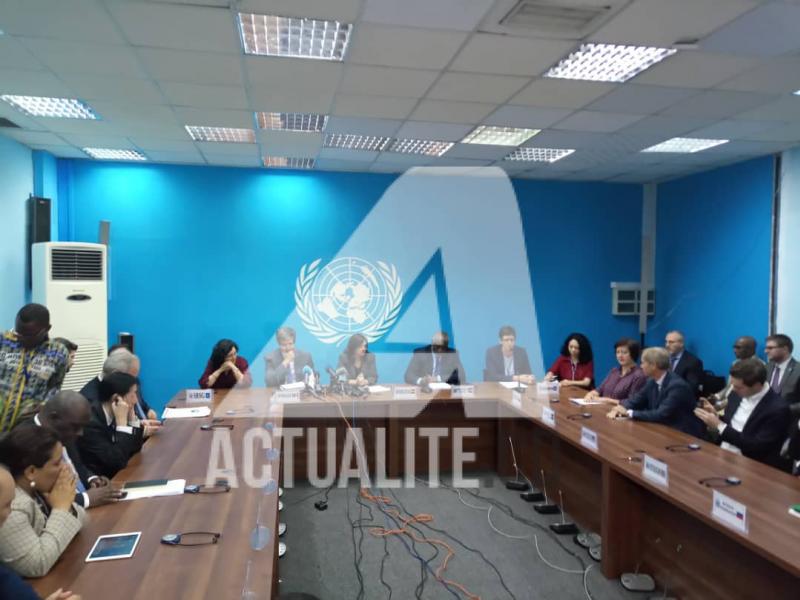
On Monday, July 13, the DRC organized a high-level Arria-formula meeting at UN headquarters in New York, focusing exclusively on the intersection between natural resource exploitation and peacebuilding. This diplomatic initiative will culminate on July 22 with a high-level debate chaired by President Félix Tshisekedi, themed: “Natural resource governance: the foundation of peace, security, and prosperity.”
Why this push at the UN?
According to DRC authorities, existing international frameworks—such as mineral traceability, corporate due diligence, and conflict financing prevention—remain fragmented and inconsistent. Kinshasa argues that these mechanisms lack the necessary integration to effectively link natural resource governance with conflict prevention and international security. The DRC is advocating for a cohesive global framework that treats natural resources not merely as economic assets but as strategic pillars for lasting peace and stability.
In a bold move, the DRC is pushing for the UN Security Council to formally recognize natural resource governance as a permanent agenda item, ensuring sustained international attention and accountability.
France aligns with Kinshasa’s vision
The French delegation at the UN has publicly endorsed this initiative, emphasizing the need to protect natural resources from exploitation and diversion for malicious purposes. In a statement, Ambassador Jérôme Bonnafont, France’s Permanent Representative to the UN, underscored the shared commitment:
“Natural resources must serve as engines for equitable and sustainable development for the communities and nations that possess them. They must be shielded from predators and misuse. France fully supports the DRC’s objective to strengthen and harmonize international initiatives aimed at responsible resource management. We are prepared to actively contribute to the Security Council’s proceedings, especially the high-level debate scheduled next week under President Félix-Antoine Tshisekedi’s leadership.”
Diplomatic momentum amid ongoing challenges
This diplomatic push follows a UN Security Council briefing on conflict-related sexual violence, held on July 8 under the leadership of Prime Minister Judith Suminwa Tuluka. The session highlighted the human cost of war economies and the urgent need for prevention, survivor protection, accountability, and reparations.
The DRC’s presidency of the Security Council comes at a pivotal time, marked by strategic partnerships such as the DRC-US critical minerals agreement and the DRC-Rwanda accord. The latter includes measures for de-escalation, gradual withdrawal of Rwandan forces from Congolese territory, and neutralization of armed groups like the FDLR—considered a security threat by Kigali. Despite these diplomatic strides, the security situation in eastern DRC remains precarious. The stalled Doha process, aimed at mediating between Kinshasa and the AFC/M23 rebels—accused by the UN and international partners of Rwandan support—continues to cast a shadow over efforts to restore stability.
The AFC/M23 rebels, controlling key cities like Goma and Bukavu, continue to pose a significant challenge. Ongoing clashes and the diplomatic impasse underscore the persistent gap between announced progress and ground realities, renewing debates on the efficacy of international mediation in conflict zones.
Clément Muamba