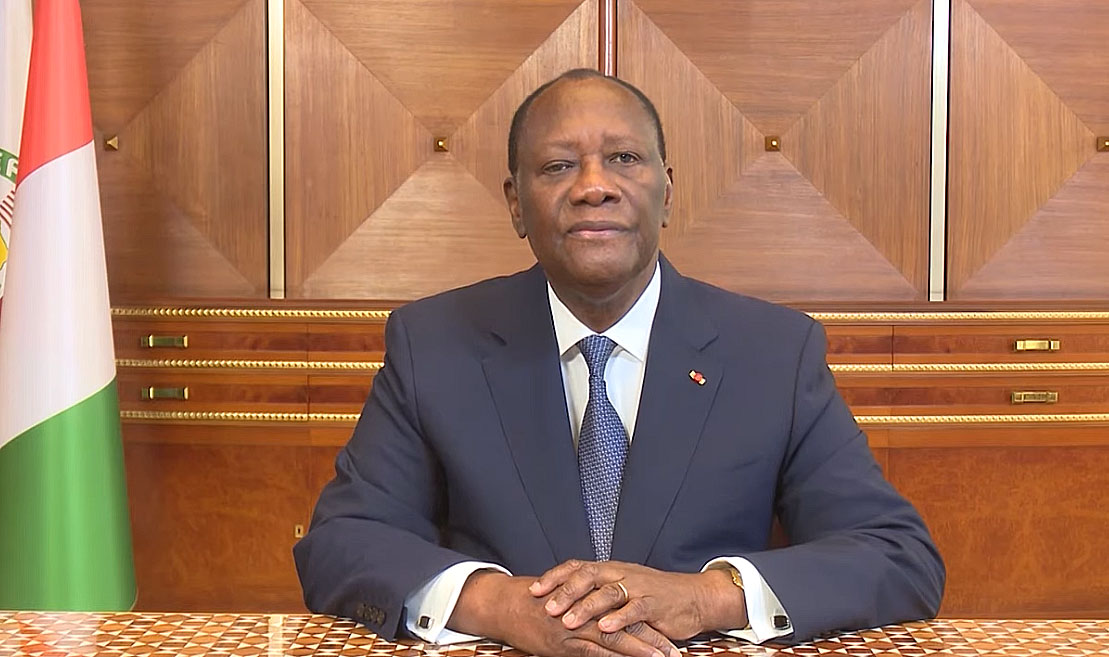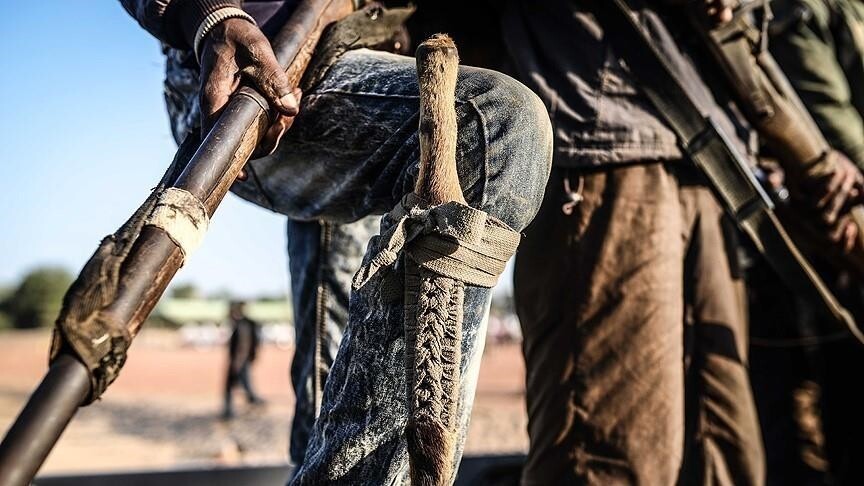
In a significant display of diplomatic rapprochement, French Prime Minister Sébastien Lecornu concluded a landmark visit to Rabat on Thursday, reaffirming the deepening ties between Paris and Rabat that have flourished since President Emmanuel Macron’s historic recognition of Morocco’s sovereignty over Western Sahara in mid-2024.
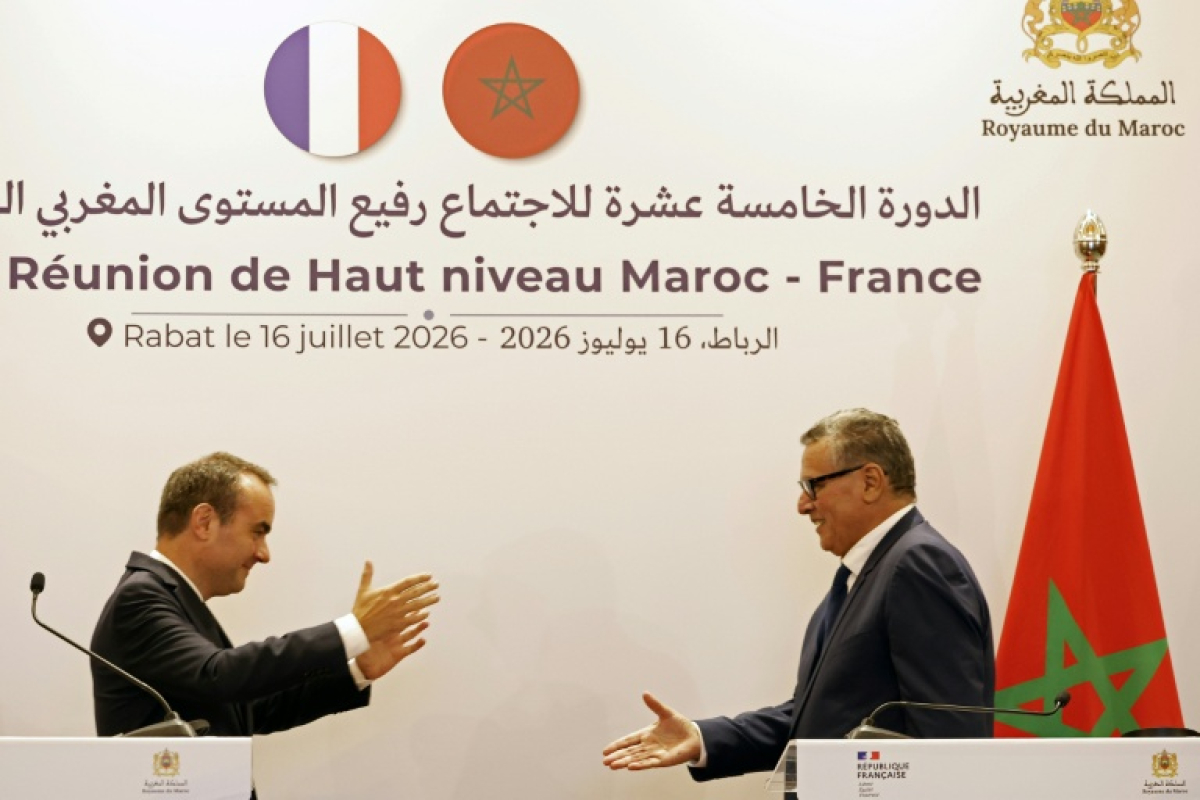
French Prime Minister Sébastien Lecornu (left) and Moroccan counterpart Aziz Akhannouch at a press conference in Rabat
The landmark decision by President Macron—delivered during a state visit to Morocco in October 2024—ended years of strained relations marked by espionage allegations and visa restrictions. That visit culminated in a series of high-value contracts and the signing of a groundbreaking “exceptional partnership agreement.”
During Thursday’s meetings, Lecornu described the state of Franco-Moroccan relations as “exceptionally positive,” emphasizing the strategic importance of the renewed alliance. The visit also paves the way for a potential state visit by King Mohammed VI to France, a move that could result in the signing of an unprecedented bilateral treaty—the first such agreement France has negotiated with a non-EU nation.
Diplomatic breakthrough and lingering shadows
Lecornu arrived in Morocco at the head of a twelve-member ministerial delegation, including Foreign Minister Jean-Noël Barrot and Interior Minister Laurent Nuñez. Their discussions focused on deepening cooperation in security, counterterrorism, and regional stability, particularly in the Sahel where both nations face growing jihadist threats.
However, the visit unfolded against the backdrop of renewed scrutiny over Morocco’s alleged use of the Pegasus spyware, with international media outlets publishing fresh investigations into the matter. Moroccan officials swiftly dismissed the allegations as “false and baseless.” While French government sources declined to comment, members of Lecornu’s delegation dismissed the reports as outdated, insisting the focus remains on the future.
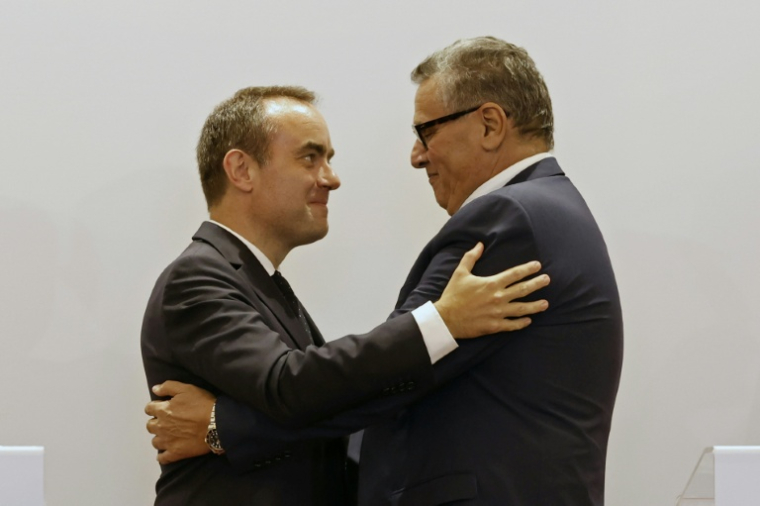
French Prime Minister Sébastien Lecornu (left) and Moroccan counterpart Aziz Akhannouch embrace during a press conference
Lecornu’s visit marked the first high-level bilateral meeting between the two countries since 2019, described by French officials as a “turning point” in the relationship. Among the key outcomes were agreements to enhance mutual security cooperation, streamline visa policies for Moroccan students and entrepreneurs, and expand joint efforts to combat organized crime and drug trafficking.
Economic and energy collaborations take center stage
Beyond security, the two nations inked a dozen agreements, including a new call for expressions of interest in cross-border electricity interconnection and financing deals with the French Development Agency for water infrastructure and the development of a Rabat regional express rail network (RER).
Moroccan Prime Minister Aziz Akhannouch hailed the partnership as a “strategic vision,” built on shared political will, renewed trust, and collective ambition. French officials confirmed Morocco’s ascendancy in Paris’s North African diplomacy, noting a clear shift away from the previous policy of balancing ties with Algeria.
As the Sahel crisis intensifies, France appears increasingly reliant on Morocco as a key regional partner, especially as Algiers remains cautious in sharing intelligence despite the recent thaw in Franco-Algerian relations.
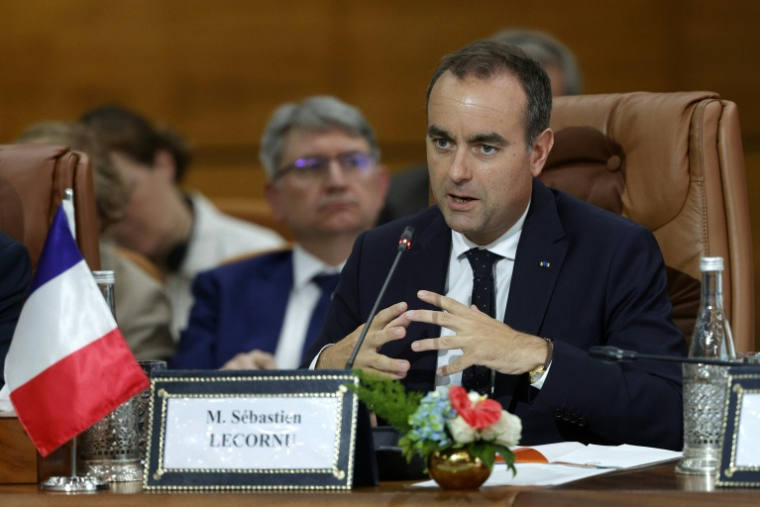
French Prime Minister Sébastien Lecornu delivers opening remarks during a plenary session with Moroccan ministers
With both sides expressing optimism about the future, the visit underscored a new chapter in Franco-Moroccan relations—one defined by strategic alignment, economic synergy, and a shared commitment to regional stability.