Gabon politics: Bilie By Nze denied bail amid legal and political scrutiny
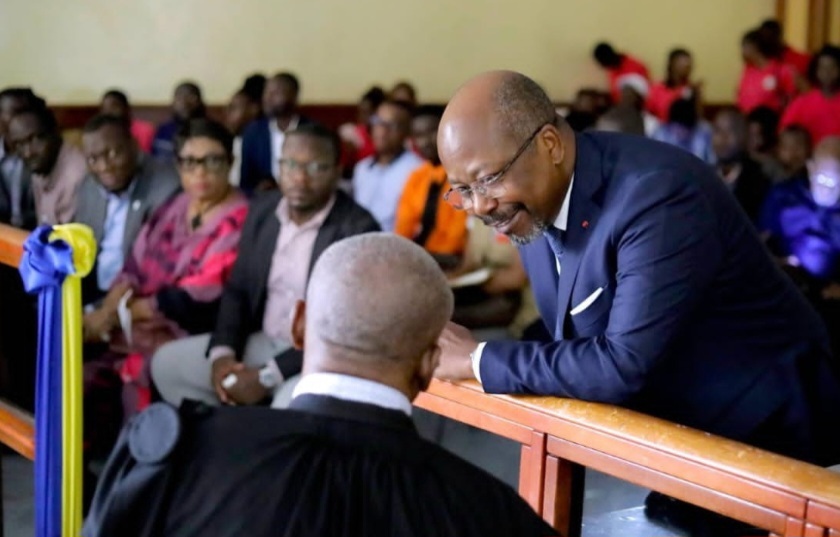
Libreville, June 3, 2026 — The continued detention of former Prime Minister and opposition leader Alain-Claude Bilie By Nze has intensified debates over judicial independence and due process in Gabon. The Appeals Court in Libreville upheld the rejection of his defense’s motion to nullify the case, extending his imprisonment at the central prison since April 16, 2026.
What appears to be a routine legal matter has become a flashpoint for broader concerns about the balance between justice, politics, and the fundamental guarantees of a fair trial. The stakes extend beyond the individual, challenging the credibility of Gabon’s judicial institutions in high-profile cases.
Disputed proceedings and allegations of expired statutes of limitations
Bilie By Nze faces charges of alleged abuse of trust and fraud dating back to 2008. His legal team argues that these offenses should have been time-barred by 2018, rendering the prosecution legally unfounded. They also highlight procedural irregularities, including flaws in the indictment and insufficient evidence to justify prolonged detention.
According to one of his lawyers, Arthur Vercken, the arrest was followed by a 24-hour period without access to legal counsel before formal detention was ordered. This breach of standard procedures has fueled criticisms of arbitrary legal practices and undermined trust in the fairness of the judicial process.
Political undertones in a high-stakes legal battle
The case unfolds against a politically charged backdrop. Bilie By Nze, once Prime Minister under former President Ali Bongo Ondimba, now stands as a prominent opposition figure in the administration of President Brice Clotaire Oligui Nguema, elected in 2025. His detention has amplified concerns among opposition circles and parts of the public about selective justice and political interference in legal proceedings.
The controversy transcends mere legal technicalities, becoming a litmus test for the rule of law in Gabon’s post-election landscape. Observers closely monitor whether the judiciary can operate independently of political influence, particularly in cases involving prominent political actors.
President Oligui Nguema has publicly distanced himself from the matter, emphasizing the separation of powers and affirming that the judiciary acts autonomously. He described the case as strictly judicial, rejecting suggestions of any executive interference.
A defining moment for Gabon’s judiciary and democratic stability
The Appeals Court’s decision to uphold Bilie By Nze’s detention and dismiss the nullity claim places Gabon’s judicial system under intense scrutiny. The defense’s arguments—centered on prescription and procedural flaws—highlight deeper questions about transparency, rigor, and fairness in handling sensitive cases.
In such matters, the focus is not solely on guilt or innocence but on the integrity of the institutions that administer justice. A perception of impartiality and adherence to international standards is vital for maintaining public trust in the legal system. This case serves as a litmus test for Gabon’s democratic maturity, especially as the country navigates a period of institutional restructuring.
The outcome of this judicial saga will weigh heavily on the relationship between state institutions and citizens. It will signal whether Gabon’s justice system can deliver equitable, transparent, and internationally compliant rulings—or succumb to the pressures of political expediency. The stakes could not be higher for the nation’s credibility and democratic future.