Gabon steps up fight against illicit financial flows with new measures
Libreville, July 19, 2026 — In an era where underground financial channels fuel organized crime, terrorism, and corruption, the strength of national control systems has become a critical benchmark for international credibility. Gabon is now positioning this necessity as a cornerstone of its governance strategy.
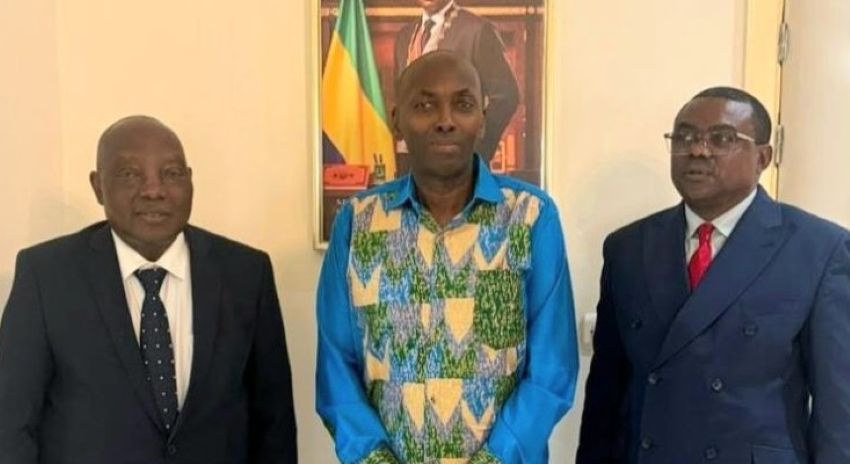
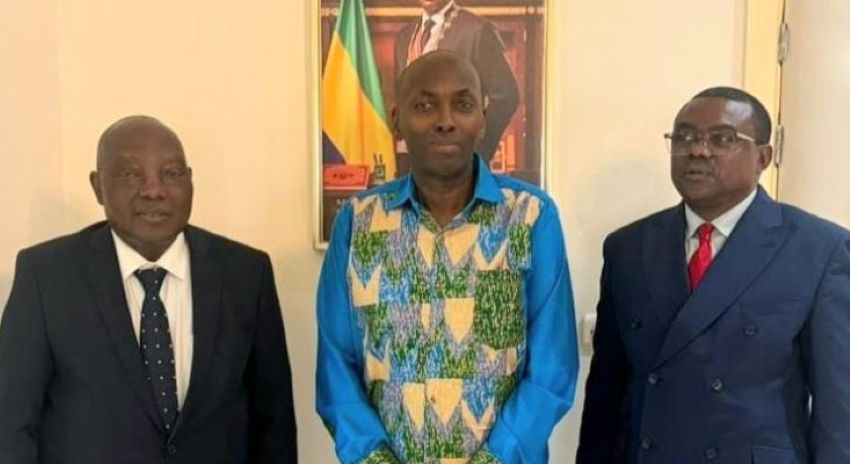
The recent meetings in Libreville between the Gabonese Interior Minister, Adrien Nguema Mba, Justice Minister Augustin Emane, and André Kanga, Permanent Secretary of the Groupe d’action contre le blanchiment en Afrique centrale (GABAC), reflect a clear political commitment. Beyond preparing for GABAC’s third evaluation cycle, these discussions underscore Gabon’s role in the regional and global framework for financial transparency.
Stronger recognition for Gabon’s progress
These consultations come as CEMAC member states strengthen their mechanisms to combat money laundering, terrorist financing, and illicit financial flows. With increasingly sophisticated criminal networks, regional authorities demand coordinated responses aligned with international standards set by the Financial Action Task Force.
André Kanga praised Gabon’s advances in adapting its legal, institutional, and operational frameworks. This endorsement is not merely symbolic—it materializes in Gabon’s invitation to participate in the high-level segment of GABAC’s fifteenth plenary session scheduled for October 3 in N’Djamena.
This meeting marks a pivotal moment in launching the third evaluation cycle for member states. The assessment will no longer focus solely on the existence of laws but on their real-world effectiveness, implementation, and ability to deliver measurable results in detecting, prosecuting, and confiscating criminal assets.
The decisive test of the third evaluation cycle
During the meetings, André Kanga emphasized that this new phase demands heightened coordination across all relevant government agencies. A key focus will be on asset recovery mechanisms, now considered a critical performance indicator for states.
The discussions with the Justice Minister addressed the technical preparations required for Gabon to meet regional and international standards. For Augustin Emane, the invitation represents both an honor and a responsibility.
The Minister reaffirmed Gabon’s readiness to actively contribute to strengthening judicial and financial cooperation among Central African nations. In a subregion grappling with cross-border trafficking, criminal financing, and parallel economies, the effectiveness of national systems hinges on their alignment with regional mechanisms.
GABAC, established by CEMAC states, plays a crucial role in harmonizing these efforts by supporting national reforms, evaluating their effectiveness, and facilitating information exchange among competent authorities.
Financial credibility as a strategic priority
For Gabon, this momentum transcends regulatory compliance. It directly impacts business climate improvement, investor confidence, and access to international financing.
Under President Brice Clotaire Oligui Nguema’s leadership, authorities have made combating corruption, public fund embezzlement, and illicit financial flows a pillar of public governance reform. This approach aligns with a broader strategy to restore institutional credibility and secure resources for economic development.
The coming months will be decisive. The third evaluation cycle will serve as both a maturity test for institutions and an exercise in transparency. The outcomes will shape Gabon’s reputation among technical partners, international donors, and investors for years to come.
In today’s globalized financial landscape, a country’s reputation is a key driver of economic attractiveness. The fight against money laundering is no longer just a legal obligation—it has become a lever for sovereignty, financial stability, and global competitiveness. Gabon appears fully committed to this new reality.