Gabon turns mining revenue into local development
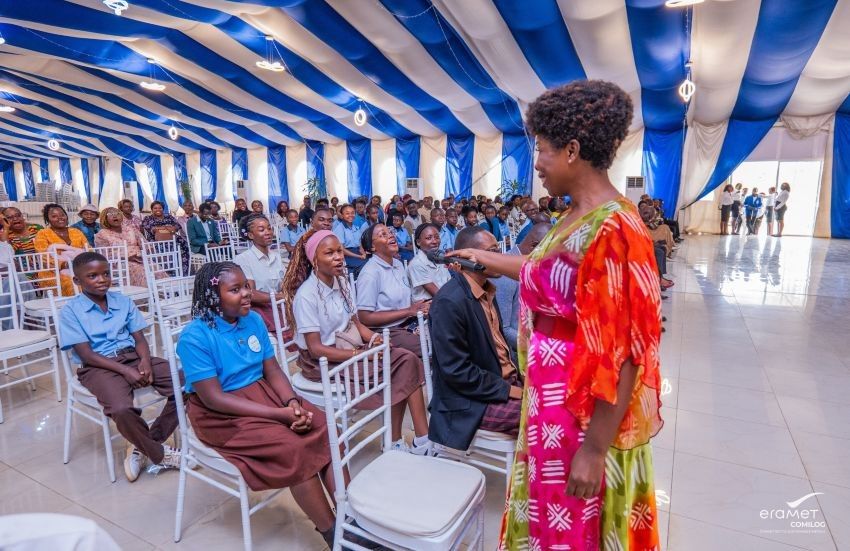
Libreville, July 16, 2026 – For decades, Africa has extracted minerals to fuel global prosperity while leaving mining communities with crumbling infrastructure, fragile public services, and a lingering sense of economic exclusion. Gabon is now challenging this status quo by redirecting a portion of its mining revenue directly into local development.
The shift comes through a revised agreement between the Gabonese government and Compagnie minière de l’Ogooué—the world’s leading high-grade manganese producer and a subsidiary of French group Eramet. Under the new terms, 20% of the proportional mining royalty now flows into the Local Communities Development Fund. An additional contribution from the extraction tax on quarries operated by the company further boosts this pool of funds earmarked for mining regions.
This move signals a fundamental shift in Gabon’s mining doctrine. The focus has evolved beyond mere fiscal gains or export volumes—it now aims to transform natural resources into tools for territorial cohesion and human development.
Breaking free from the resource curse
For generations, African economies have grappled with a paradox: regions rich in minerals often remain among the continent’s poorest. Gabon, the world’s second-largest manganese producer, has not escaped this dilemma. Mining areas have long borne the environmental and social costs of extraction without reaping visible benefits from the wealth beneath their soil.
The reform of the mining code, initiated in 2019 and strengthened by a 2020 addendum with Comilog, represents a decisive break. For the first time, a share of mining revenue is automatically channeled to affected communities, bypassing national budgetary decisions. This model aligns Gabon with practices seen in countries like Botswana and Canada, where social acceptance of mining hinges on fairer profit-sharing.
A shared governance model
The initiative operates under a tripartite governance structure involving the state, local authorities, and the mining operator. The Partnership Management Committee sets strategic priorities, while the Operational Management Committee oversees technical execution. This structure ensures investments reflect local realities rather than being dictated from distant administrative capitals.
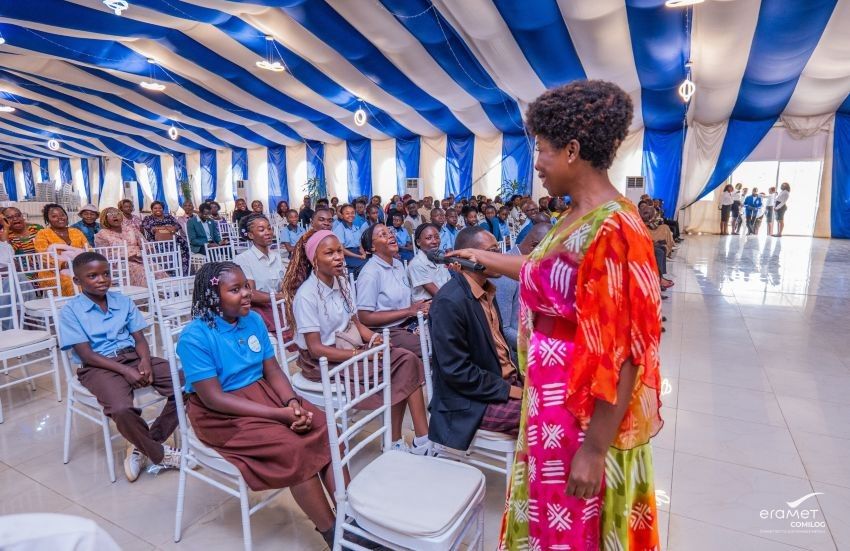
Funds are directed toward public infrastructure, collective facilities, healthcare centers, schools, water access, local economic ventures, and job creation. Early results are promising.
By 2025, Comilog’s community investment programs had delivered 26 projects, channeling nearly 8.5 billion CFA francs into initiatives benefiting around 240,000 people across mining basins. In a country of fewer than three million inhabitants, these figures underscore the initiative’s transformative potential.
Redefining Africa’s mining future
The stakes extend far beyond Gabon’s borders. Global demand for strategic minerals is surging, driven by energy transitions, electrified transport, and digital innovation. Manganese has become indispensable for battery manufacturing and tomorrow’s industrial technologies.
Africa’s central regions hold a significant share of the reserves powering this new global economy.
The real question is no longer how much mineral wealth will be exported, but what portion will remain to fund education, healthcare, infrastructure, and economic diversification. Comilog has pledged to support local entrepreneurship, vocational training, and income-generating activities to gradually reduce communities’ dependence on extractive industries alone.
If this vision endures, Gabon could emerge as a pioneer in Africa’s quest for a new mining compact—one where industry, government, and communities collaborate to build lasting prosperity. In the 21st century, the true measure of a mine’s value lies not only in exported tonnes or dividends paid, but in the schools built, businesses launched, jobs created, and opportunities unlocked for future generations. It is on this foundation that Africa’s mining giants will either earn or forfeit their legitimacy.