Despite its status as a major oil producer in Central Africa, Gabon is facing an enduring economic puzzle: its reliance on imported refined products. In response to this vulnerability, the Bank of Central African States (BEAC) is urging the authorities of Libreville to accelerate the modernization of the Société Gabonaise de Raffinage (SOGARA), a critical step in easing public finances and preserving regional currency reserves.
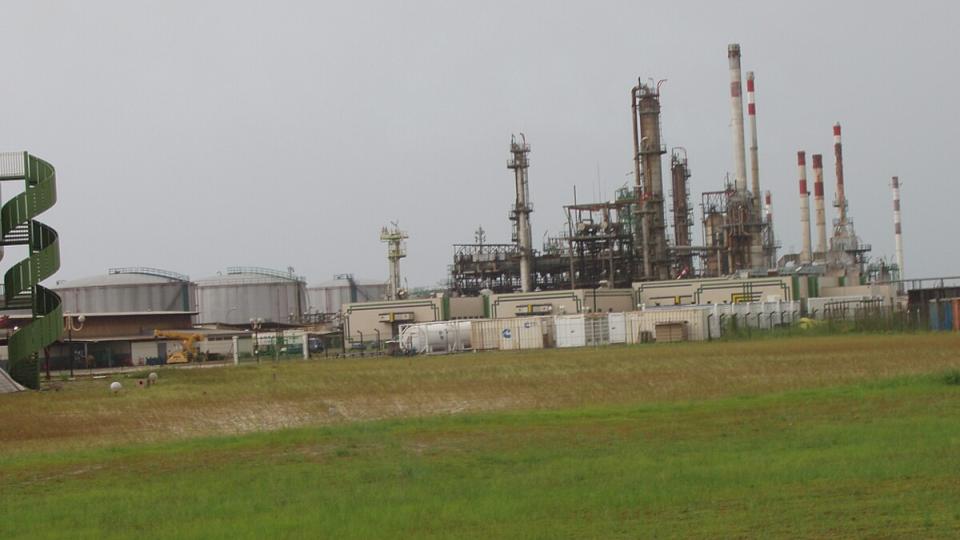
The BEAC’s alert has been sounded in its note on inflation trends and economic prospects for the CEMAC zone. Although the country extracts daily significant volumes of crude oil, the limited capacities and aging SOGARA facilities force the state to heavily import gasoline and diesel fuel on international markets.
This situation directly exposes Gabon’s economy to the fluctuations of the global market. Geopolitical tensions and volatile international prices are driving up energy costs, heavily burdening the nation’s trade balance and putting pressure on its monetary reserves managed by the central bank.
Urgent Need for Industrial Modernization
To escape this impasse, the BEAC recommends targeted investment in modernizing the Port-Gentil refinery. The institution suggests acquiring cutting-edge equipment, such as a hydrocracker, necessary to increase the yield of white fuels and transform a larger part of local crude oil into consumable products.
Such a transformation would enable SOGARA to more effectively supply the domestic market and gradually reduce subsidies on energy costs that are crippling the national budget.
Awaited Budgetary Arbitrages
The BEAC’s call now places the ball in the government’s court. The issue goes beyond technical considerations, as it involves a strategic choice of economic sovereignty and energy security.
Market observers and financial players will closely monitor upcoming budgetary arbitrages for the Project of Financial Law (PLF) to see if this priority recommendation translates into concrete budget commitments. For Gabon, successfully navigating the local refining process would be a major stabilizing factor for its macroeconomy in the years ahead.