Gabon’s 2027 budget: balancing economic priorities and social needs
Libreville — The Gabonese government has launched critical budget discussions that will shape the nation’s economic trajectory for years to come. Behind the technical spreadsheets and financial projections lies a strategic political decision-making process with far-reaching consequences.
The budget consultations, inaugurated by Vice-President Hermann Immongault, mark the beginning of a pivotal phase for the 2027 Finance Law. This process will determine how public resources are allocated amid global economic uncertainty, persistent inflationary pressures, and mounting public demands for improved living standards and essential services.
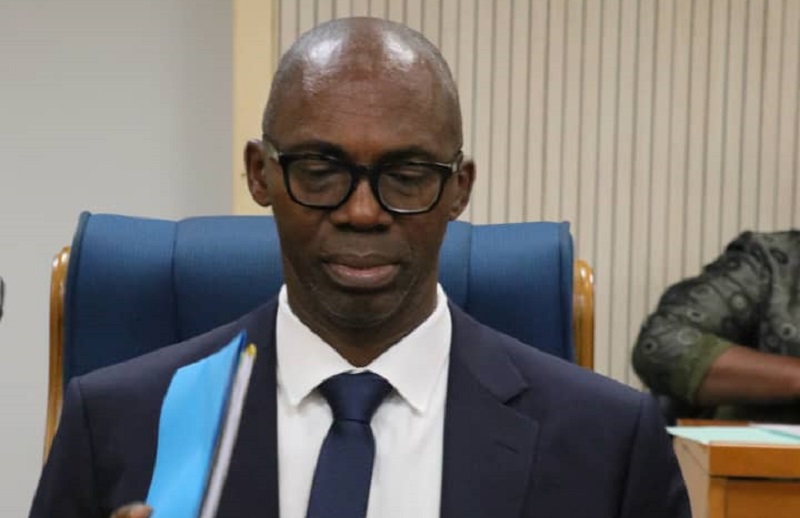
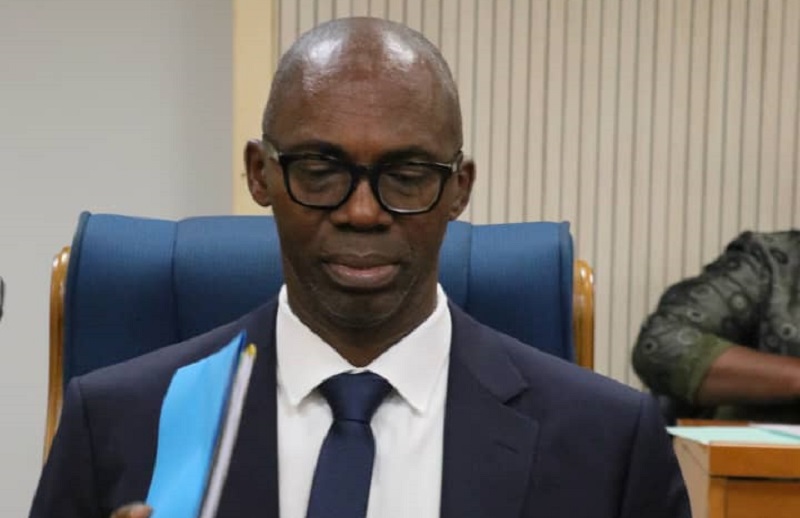
The minister of Economy, Finance, Debt Management and State Participations — and anti-inflation champion — Thierry Minko unveiled the detailed roadmap for these consultations, bringing together all government members to establish spending priorities.
The upcoming budget will prioritize household purchasing power and social welfare, reflecting a deliberate political choice. With global markets still reeling from commodity price fluctuations and rising living costs, authorities have committed to redirecting resources toward sectors that deliver immediate benefits to citizens.
Key focus areas include healthcare, education, infrastructure development, productive investment support, food security and social policies. The budget consultations will unfold in two distinct phases: an initial ministerial phase where each department presents its funding requirements, followed by a technical review assessing project feasibility and alignment with state financial capacity.
Aligning the budget with national development goals
A defining feature of this budget cycle is the central role of Gabon’s National Growth and Development Plan (PNGD). Already finalized and approved, the PNGD will guide all public spending decisions.
“The 2027 budget will be built around the PNGD,” declared Thierry Minko. This approach represents a significant shift in Gabonese economic governance, moving away from annual budgeting disconnected from long-term development strategies.
Every infrastructure project, public policy and investment will now be evaluated based on its direct contribution to the national growth and development objectives. This strategic alignment aims to enhance the economic and social returns of public expenditure while ensuring coherence in government action.
Navigating IMF negotiations with social priorities intact
The coming months will also see renewed discussions with the International Monetary Fund (IMF). On this sensitive front, Gabon has drawn clear boundaries: any future cooperation program must preserve recent social gains and avoid undermining priority development investments.
The government seeks to reconcile fiscal discipline with social justice, maintaining the country’s financial credibility while ensuring sufficient investment capacity for economic transformation. The constitutional calendar imposes several milestones before the 2027 Finance Law can be finalized, including reviews by the Economic, Social and Environmental Council, the Audit Court and the Council of State, before parliamentary adoption.
For Hermann Immongault, this meticulous preparation is essential to avoid past budgetary dysfunctions and enable each government member to present a realistic, coherent and nationally aligned budget. After all, every budget line represents a societal choice.
The national budget transcends mere financial documentation. It is the most tangible expression of a state’s priorities, its development vision and the social contract it establishes with its people.
The budget consultations launched on July 14 are not just the beginning of an administrative exercise — they mark the launch of shaping Gabon’s future in 2027.