Gabon’s public debt continues its relentless climb, with projections indicating it will soar to 94.3% of Gross Domestic Product (GDP) by 2027, as outlined in the country’s latest budgetary forecasts. This upward trend, initiated during the transitional presidency and later reinforced under President Brice Clotaire Oligui Nguema, pushes the nation perilously close to the 70% debt-to-GDP threshold set by the Central African Economic and Monetary Community (CEMAC) convergence criteria.
Soaring debt levels raise alarms among financial partners
The pace of Gabon’s debt accumulation starkly contrasts with the fiscal discipline commitments made to multilateral lenders. Despite robust oil revenues and a rebound in manganese prices—where Gabon ranks among the world’s top producers—the government struggles to free up funds for debt reduction. A growing share of state revenue is now diverted to servicing debt, leaving fewer resources for critical investments in infrastructure and social services.
This situation has been exacerbated by the International Monetary Fund’s (IMF) suspension of disbursements under its Extended Credit Facility in early 2024. The IMF cited governance concerns and unchecked spending as key reasons for halting financial support. Without an active program from the Bretton Woods institution, Libreville has increasingly turned to regional bond markets and bilateral financing, both of which come at a higher cost than concessional lending options.
Public spending surge fuels political legitimacy but deepens fiscal woes
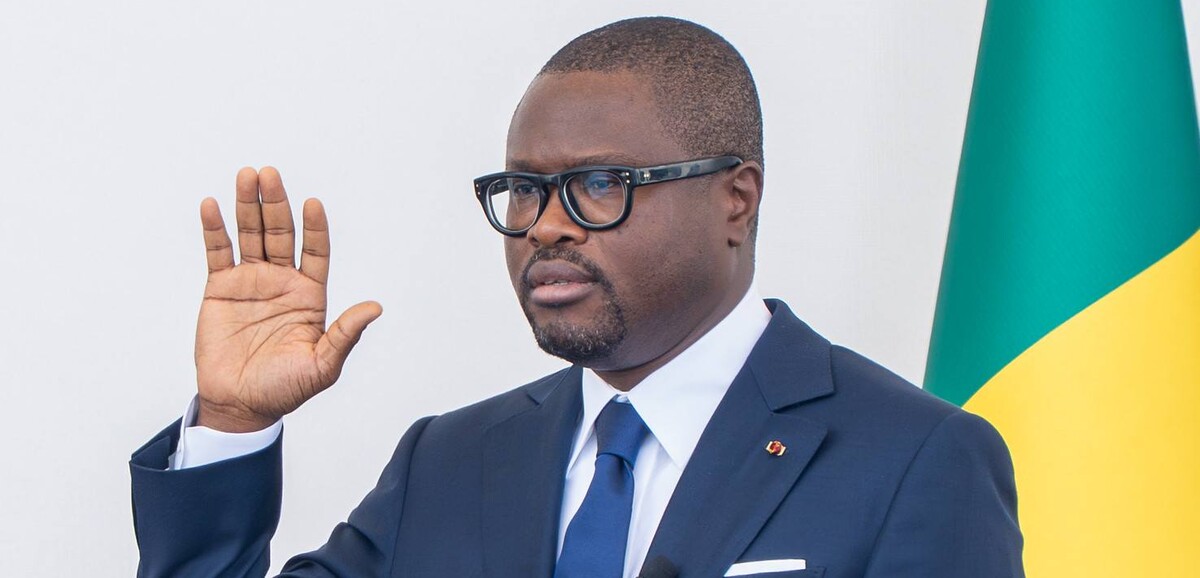
Since assuming power in August 2023 following the ouster of Ali Bongo Ondimba, General Oligui Nguema has leaned heavily on public expenditure to bolster political legitimacy. Infrastructure projects, social facility upgrades, and housing programs have proliferated, framed as a deliberate break from past governance failures. Yet this spending surge has widened the primary deficit and led to mounting arrears owed to state contractors and suppliers.
Official budget documents reveal that Gabon’s debt-to-GDP ratio is on track to climb from approximately 73% in 2024 to 94.3% by 2027. Such a sharp increase over three years underscores a growing reliance on borrowing rather than domestic revenue mobilization. Gabon’s historically low tax-to-GDP ratio remains a persistent irritant in negotiations with international financial partners.
Sovereign creditworthiness under scrutiny as debt risks mount
For Gabon, a sovereign issuer with multiple eurobond listings on international markets, rising debt levels directly threaten its credit rating. Rating agencies have repeatedly adjusted the country’s outlook, citing uncertainty over fiscal trajectory and refinancing capacity for upcoming debt maturities. A sustained breach of the 90% debt-to-GDP threshold could drive up borrowing costs and narrow the investor base willing to participate in future bond issuances.
Across Central Africa, regional peers are closely monitoring Gabon’s situation, wary that a single country’s fiscal missteps could destabilize the shared foreign exchange reserves managed by the Bank of Central African States (BEAC). Monetary authorities in the sub-region have repeatedly emphasized the need for a swift return to sustainable debt levels, especially as Chad, the Republic of the Congo, and Cameroon also grapple with elevated debt burdens.
The path forward hinges on political credibility. The constitutional transition to civilian rule, solidified by the November 2024 referendum and April 2025 presidential election, theoretically paves the way for the restoration of financial cooperation programs. However, the government must pair its infrastructure ambitions with a credible austerity plan to prevent public debt from becoming a long-term economic vulnerability.