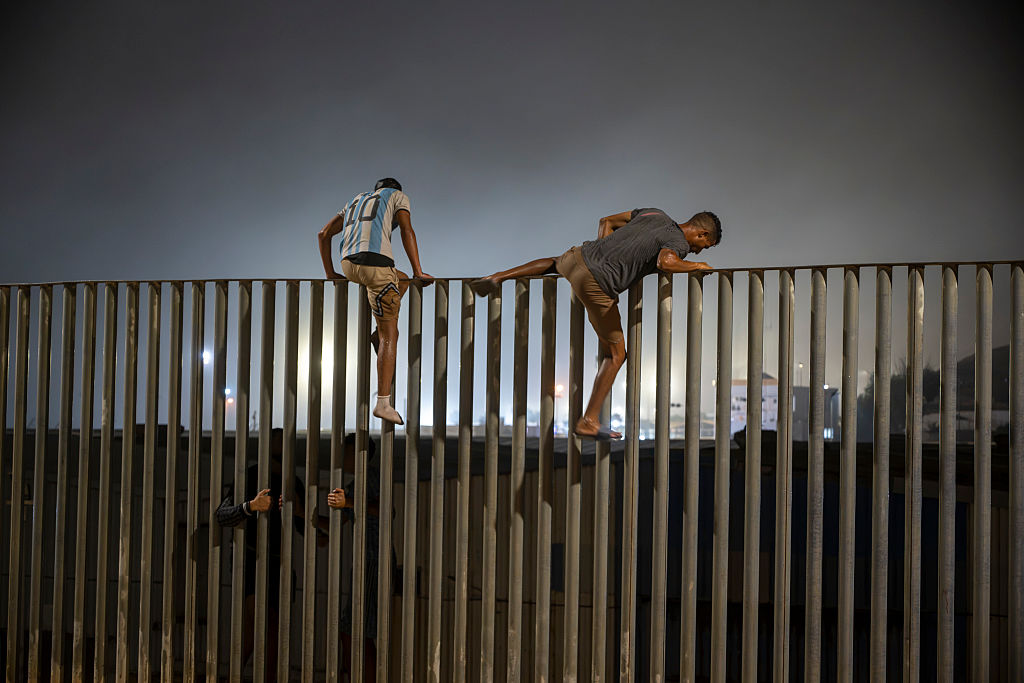
Europe urged not to criticize Morocco over ceuta border surge
EU shifts focus to disinformation while managing strained relations with Rabat
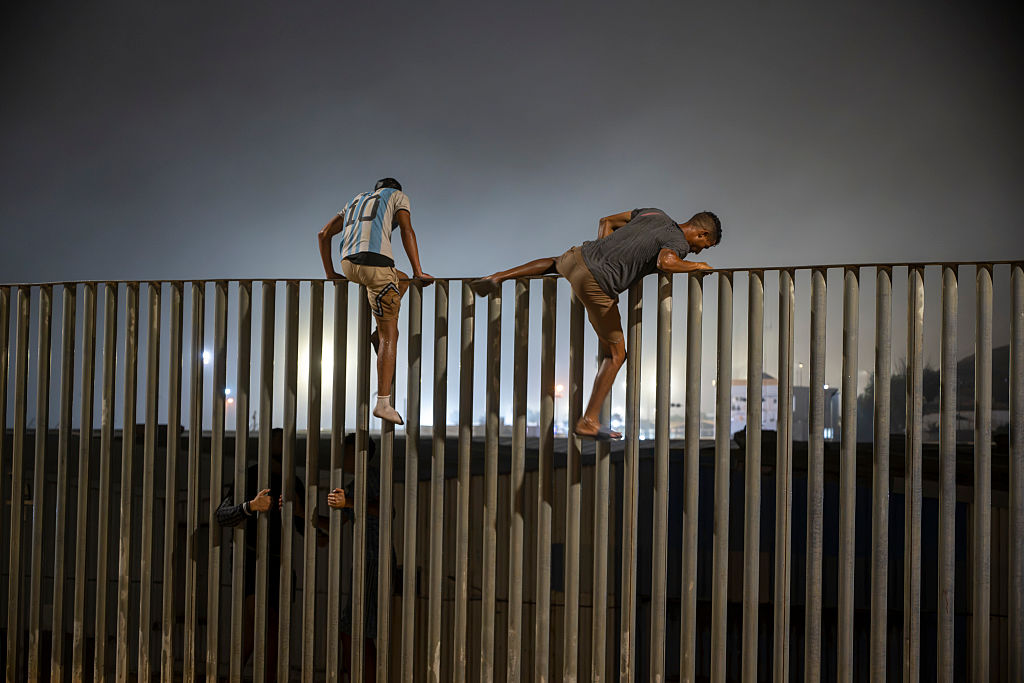
European governments faced a delicate balancing act this week as Spain urged allies to refrain from openly condemning Morocco following the unprecedented influx of 72,000 people into Ceuta from neighboring territories in just days. The surge raised urgent questions about border security and diplomatic relations between Madrid and Rabat.
During an emergency virtual meeting of EU Interior Ministers, Spanish officials emphasized the need to maintain cooperative ties with Morocco, a key partner in managing migration flows to Europe. The North African kingdom also plays a pivotal role in counter-terrorism efforts and intelligence sharing with European authorities.
At a press briefing, Spanish Interior Minister Fernando Grande-Marlaska avoided assigning blame, stating, “There isn’t necessarily anyone to blame.” His comments echoed a reluctance to publicly point fingers at Morocco, despite growing speculation about the kingdom’s role in the crisis. One Western government source suggested Rabat may have tacitly approved the influx as a political signal to Spain.
False claims circulating on social media further complicated the narrative. Rumors of a Spanish Supreme Court decision halting immediate deportations of irregular migrants arriving by sea to Ceuta and Melilla fueled perceptions of lax enforcement, prompting rapid amplification by online actors.
German Chancellor Friedrich Merz took a firmer stance, calling on Morocco to assume responsibility and facilitate the return of migrants. However, many EU leaders refrained from directly addressing Morocco’s involvement, even as analysts questioned how such a large-scale crossing could occur without adjustments to its typically strict border controls.
European Commission President Ursula von der Leyen reiterated the principle that migrants should not be weaponized for political leverage—without naming Morocco—but hinted at potential financial support to strengthen cooperation between Brussels and Rabat.
EU pivots to disinformation as primary concern
Rather than confronting Morocco directly, European officials redirected attention to the role of smugglers and the spread of disinformation on social platforms. This narrative was echoed by Moroccan authorities, who blamed “exploitation of digital space” for creating the false impression that entry into Europe via Ceuta was risk-free.
Morocco also criticized Spain for not anticipating the fallout from a court ruling that fueled speculation about deportation policies. European Commissioner for Migration Magnus Brunner announced that Europol was investigating potential disinformation campaigns linked to the crisis, while EU ambassadors discussed enhanced intelligence sharing to counter such threats.
The European External Action Service is also examining whether Russian-linked actors sought to exploit the situation on social media for geopolitical gain. Meanwhile, Frontex is considering expanding its mandate to monitor disinformation trends during migration crises, as part of an upcoming policy review by the European Commission.
Despite these measures, no concrete evidence has emerged of a coordinated disinformation campaign preceding last week’s events.